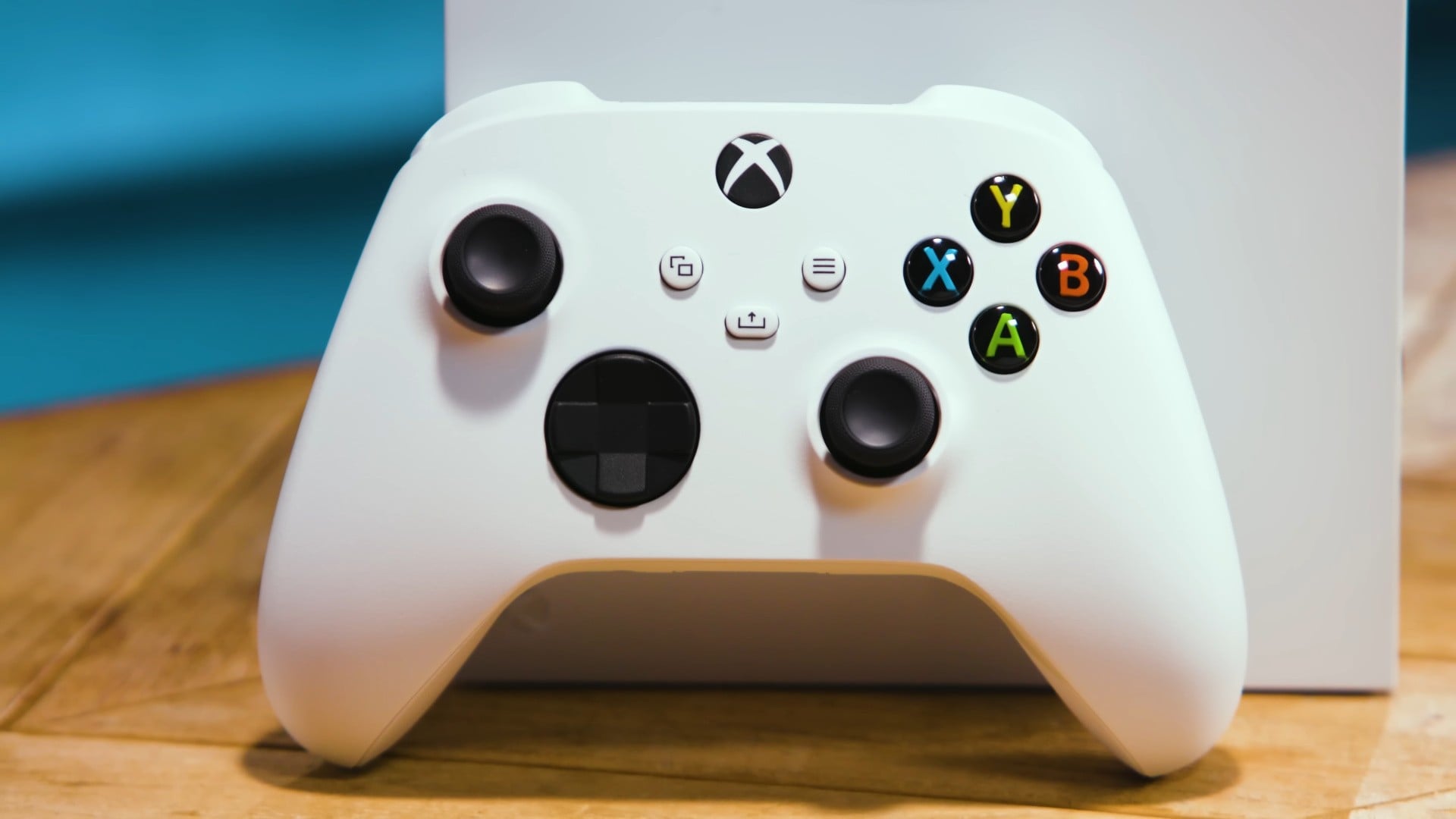
AMD CEO Lisa Su said on the company’s earnings call that development of Microsoft’s next‑gen Xbox, which will use an AMD semi‑custom SoC, is progressing well to support a potential 2027 launch, and the transcript also cites next‑gen Xbox ramping in 2027. The call additionally noted Valve is on track to ship an AMD‑powered Steam machine early this year; however, management cautioned about current RAM shortages that could affect new hardware timing. The comments imply potential revenue upside for AMD’s semi‑custom business if a 2027 console ramp occurs, but supply‑chain risk remains a material caveat for investors.
Market structure: A 2027 Xbox cadence crystallizes a multi-year revenue stream for AMD’s semi-custom SoC business and strengthens Microsoft’s platform leverage for Game Pass monetization. Expect AMD to capture mid-single-digit percentage points of incremental revenue by FY2028 if console volumes reach a conservative 5–8m units in first 12 months; DRAM suppliers (MU, SMH exposure) and TSMC/ASML-related capex names are second-order winners. Console pricing power will be constrained by Microsoft; expect margin mix benefits to AMD but limited to a one-time semi-custom premium unless volumes surprise materially.
Risk assessment: Key tail risks are a RAM shortage spike (lifting component cost +10–25% vs. plan), a TSMC capacity reallocation due to geopolitics, or a delay to 2028 that shifts revenue recognition and inventory cycles. Immediate (days) market moves should be muted; watch supply-booking signals over 6–18 months (supplier bookings, wafer allocations). Hidden dependency: AMD’s upside depends on Microsoft’s volume commitments — developer kit orders in 2025–26 are critical catalysts.
Trade implications: Tactical: favor asymmetric, defined-risk bullish exposure to AMD (12–24m options or modest cash holding) and selective long exposure to TSMC/ASML suppliers ahead of higher wafer demand; avoid long exposure to small console-adjacent accessory peers without clear share gains. Time entries now in 1–2% size, scale into 6–12 months on supply-booking confirmations, and trim into Microsoft/AMD public reveal windows (anticipated Nov 2026 announcement, 2027 ramp).
Contrarian: The market underestimates supply-side constraints and the probability Microsoft caps hardware margins to prioritize subscriptions — which would limit AMD’s per-unit ASP upside. Historical parallels (last-gen console multi-year lifecycles) suggest upside is more back-loaded; if Game Pass rises, hardware could subsidize software, lowering long-term SoC revenue per unit and creating an overbought trade into 2026–27.
AI-powered research, real-time alerts, and portfolio analytics for institutional investors.
Request DemoOverall Sentiment
mildly positive
Sentiment Score
0.25
Ticker Sentiment
