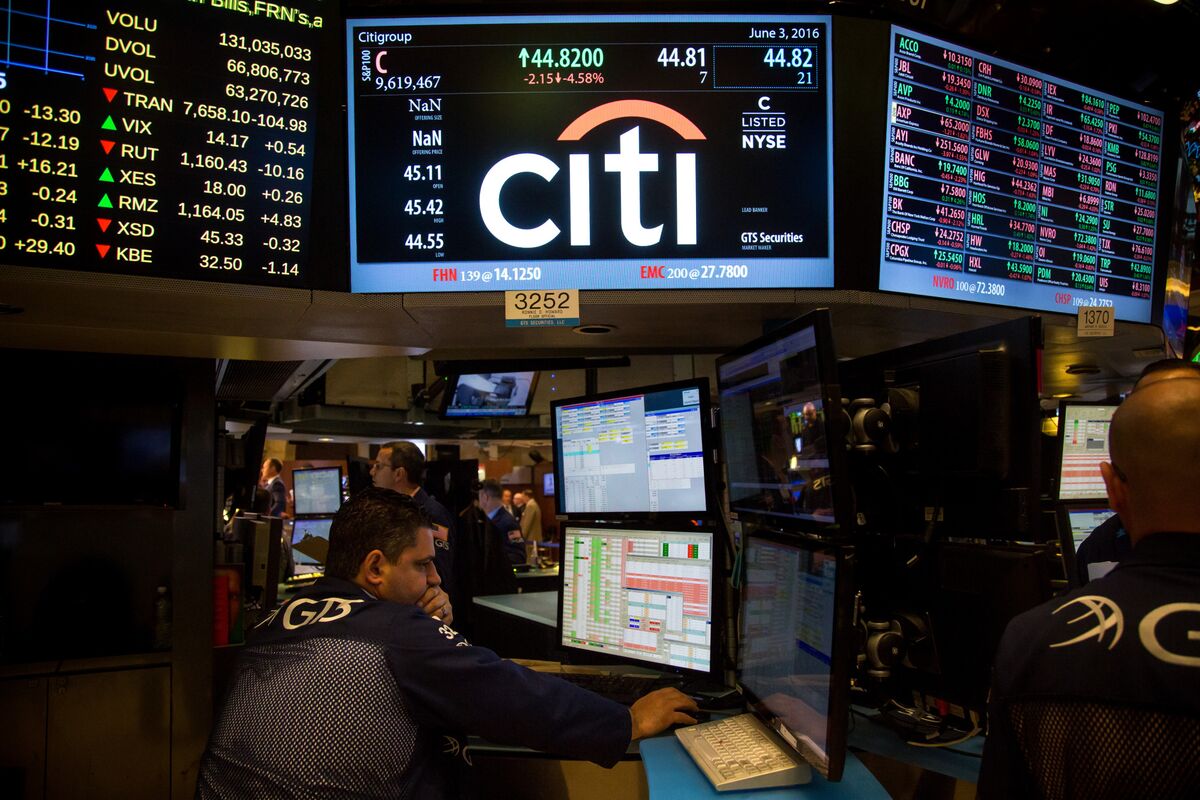
Citi analysts warn that predicting default rates for bonds and leveraged loans is becoming significantly more challenging due to a surge in debt restructurings, with distressed exchanges now outnumbering traditional defaults three-to-one. This shift renders conventional default rate calculations less reflective of actual market risk appetite, making it harder for investors to accurately assess underlying credit risk in their portfolios.
According to a research note from Citi analysts, traditional default rate calculations for bonds and leveraged loans are becoming increasingly unreliable as indicators of market risk. The core issue is a structural shift in how troubled companies manage their liabilities, with distressed exchanges now outnumbering traditional default events—such as missed payments or bankruptcy filings—by a factor of three to one. This trend of out-of-court restructurings, where old debt is swapped for new debt on less favorable terms, makes headline default figures 'messier and less reflective of risk appetite.' Consequently, investors relying on these conventional metrics may be underestimating the true level of credit risk within the market, as significant losses can be incurred through these exchanges even in the absence of a formal default.
AI-powered research, real-time alerts, and portfolio analytics for institutional investors.
Request DemoOverall Sentiment
strongly negative
Sentiment Score
-0.60
Ticker Sentiment
