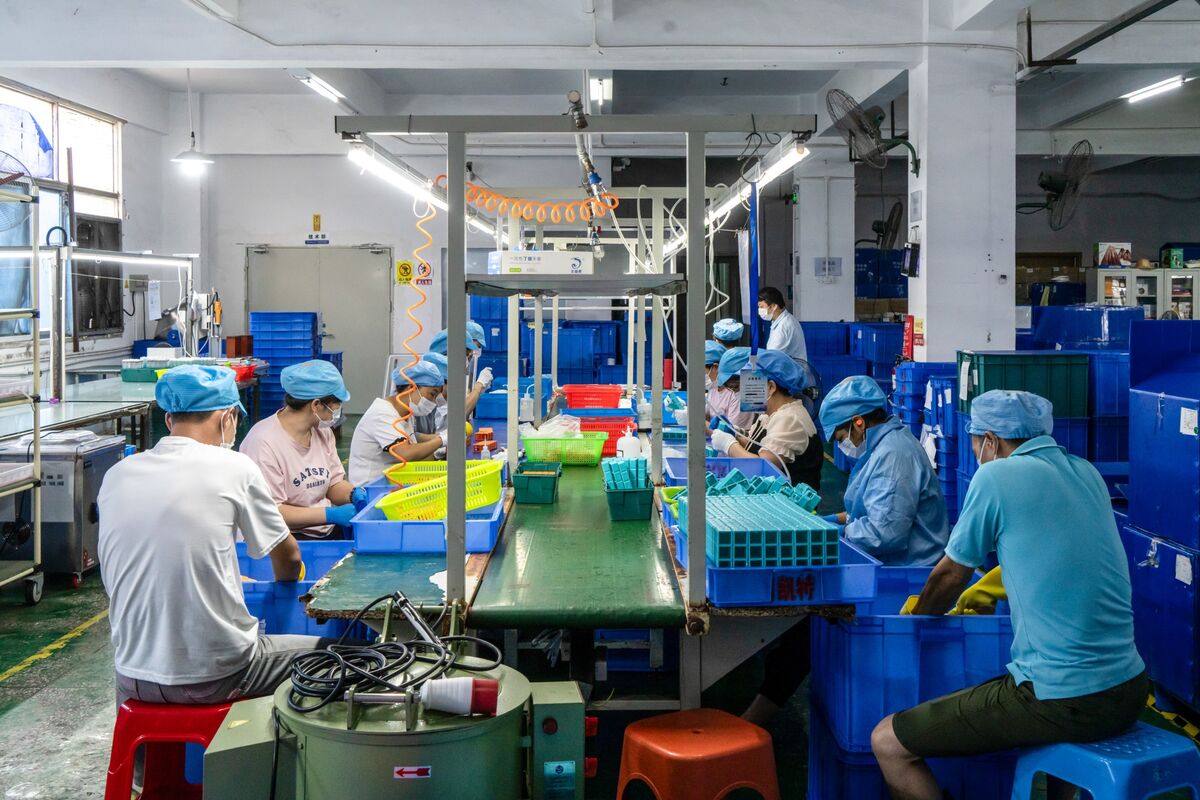
China's Premier has publicly attributed the nation's manufacturing boom to domestic diligence and innovation rather than state subsidies, directly refuting international criticisms regarding unfair trade practices and industrial overcapacity. This official position signals Beijing's firm commitment to its current industrial policy, likely intensifying trade tensions with countries like the US and EU concerned about market distortions.
China's Premier has publicly attributed the nation's manufacturing boom to domestic diligence and innovation, directly refuting international criticisms from the US and EU regarding unfair trade practices fueled by state subsidies. This official stance signals Beijing's firm commitment to its current industrial policy, dismissing concerns over industrial overcapacity and market distortions. By framing its economic success as a result of hard work rather than state intervention, China is reinforcing its domestic narrative and pushing back against foreign pressure. This hardening of rhetoric suggests that a de-escalation of trade tensions is unlikely in the near term and may instead lead to further friction, as Beijing shows no inclination to alter its strategic economic course. The low immediate market impact score (0.35) suggests investors may view this as political rhetoric rather than a new policy announcement, but it solidifies the geopolitical risk landscape for sectors exposed to international trade.
AI-powered research, real-time alerts, and portfolio analytics for institutional investors.
Request DemoOverall Sentiment
mildly positive
Sentiment Score
0.30
