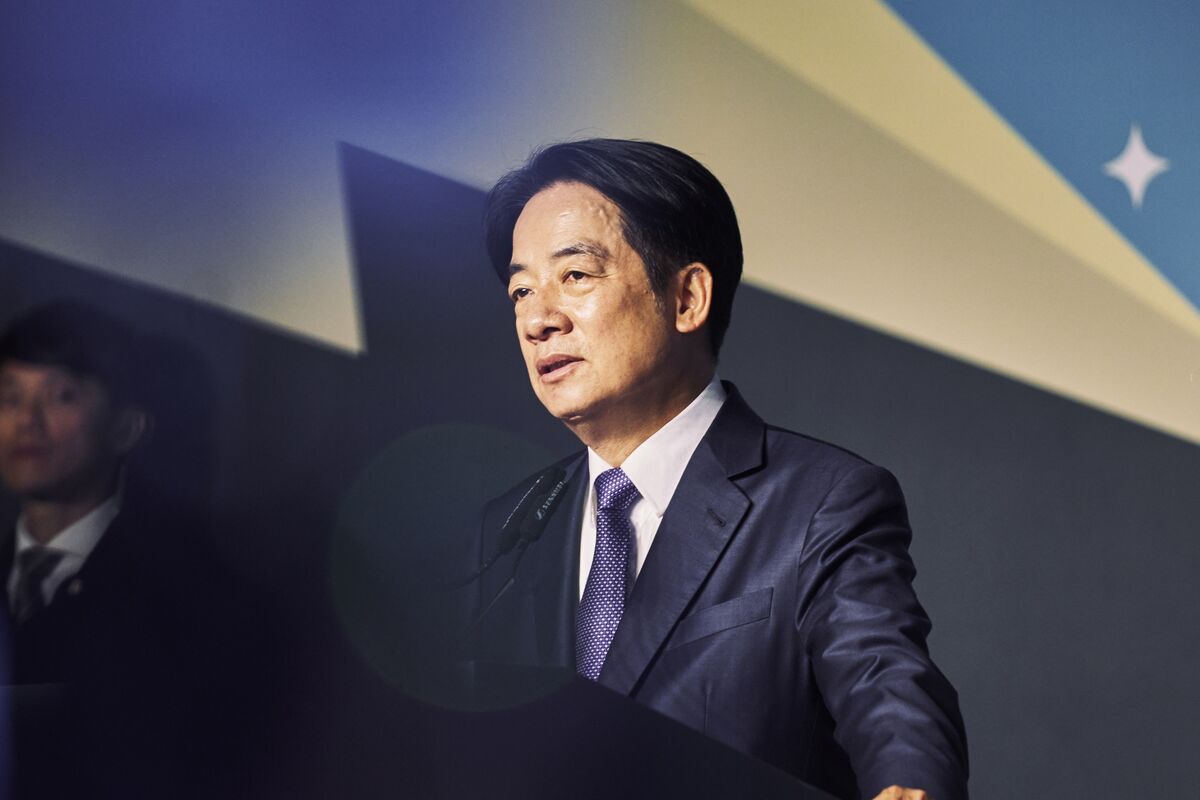
Taiwan's President Lai Ching-te is taking a tougher stance against perceived threats to the island's security, including deporting Chinese nationals married to Taiwanese citizens for pro-China annexation posts on social media; this security agenda, initiated since May 2024, is drawing criticism for potentially splitting up families and raising concerns about its impact on democratic freedoms.
Taiwan's President Lai Ching-te, since assuming office in May 2024, has initiated a more assertive security posture, extending beyond military preparedness to address perceived societal threats to Taiwan's sovereignty. A key component of this agenda involves deporting Chinese nationals, even those married to Taiwanese citizens, for social media activities deemed supportive of China's annexation ambitions, with at least three such deportations occurring this year. These actions, while aimed at reinforcing national security, are generating considerable internal debate and criticism due to their impact on families and concerns over the potential erosion of democratic freedoms. The reported negative sentiment and cautious tone reflect the contentious nature of these policies and the delicate balance Taiwan is navigating between security imperatives and civil liberties amidst ongoing cross-strait tensions. The situation highlights an increased focus on internal security measures that carry both domestic political and geopolitical ramifications.
AI-powered research, real-time alerts, and portfolio analytics for institutional investors.
Request DemoOverall Sentiment
Negative
Sentiment Score
-0.30
