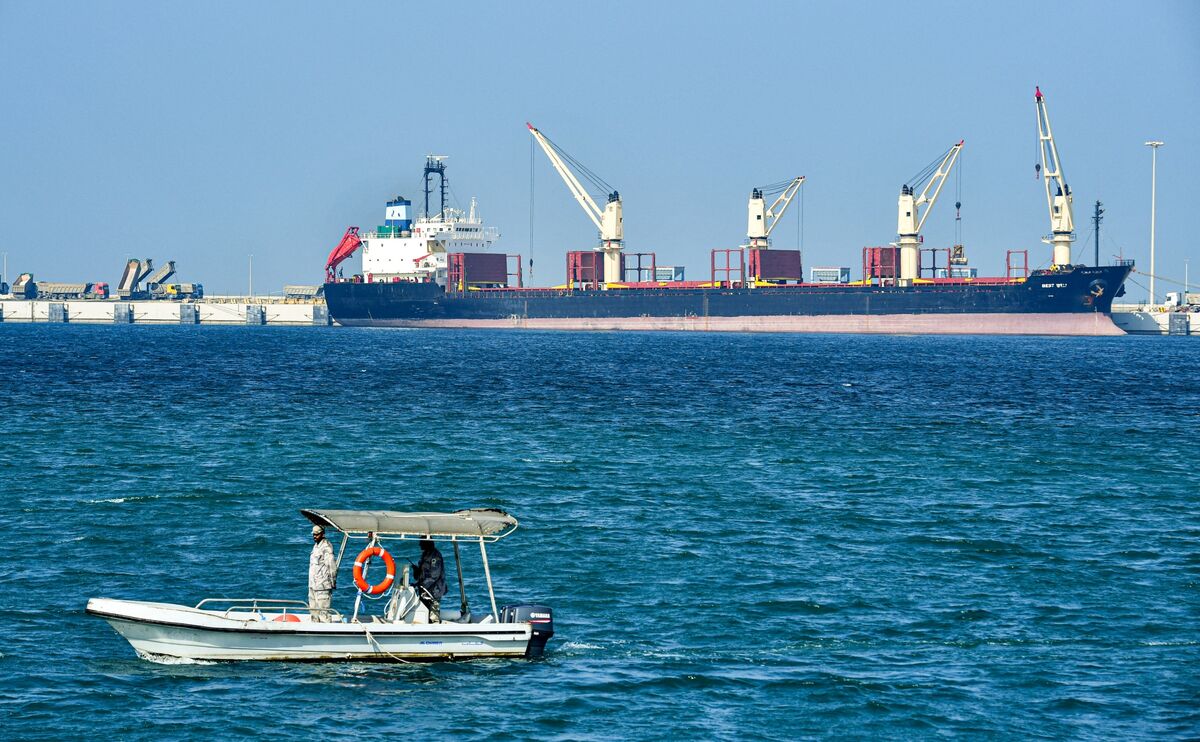
Saudi crude exports fell by ~50% in March, averaging 3.33 million barrels per day, after Iran effectively prevented tankers from leaving the Persian Gulf and forced Riyadh to reroute flows to west-coast/Red Sea terminals. The shutdown of transit via the Strait of Hormuz is a material supply disruption that tightens global oil markets, raises upside risk to prices, and increases operational/logistics risk for regional exporters and shipping routes.
The immediate infrastructure shock is being transmitted through shipping economics rather than crude fundamentals alone. Longer voyages and forced reroutes increase “tanker-days” which mechanically tightens available export capacity and lifts VLCC/time-charter rates by multiples; expect spot freight to lead price discovery for weeks while physical arbitrage legs reprice. Insurers and charterers will price in higher risk premia, encouraging floating storage and pushing some barrels out of the prompt market into contango-financed latency.
Refining cracks will reallocate regionally: refiners with flexible slate capability and access to alternate Atlantic/Med feedstocks will capture differential margins, while those locked into particular Middle East grades will see margin compression until they can swap or retool. The adjustment window is weeks-to-months for trading flows and months-to-a-year for operational changes (storage, staggered turnarounds, change in crude slates). Watch specific grade spreads and freight-adjusted arbitrage economics — these will reveal who absorbs lost barrels vs who can re-export or substitute light/heavy blends.
Tail outcomes are asymmetric. A narrowly contained diplomatic resolution or robust naval escort program can collapse premiums within 30–90 days; conversely, attacks on western-export infrastructure or Red Sea chokepoints would inflict persistent structural loss and force multi-year capex (pipelines, extra terminals) that rerates regional producer logistics. The high-probability near-term path is elevated volatility in freight and localized grade dislocations; the low-probability tail is a multi-quarter supply shortfall if western terminals are compromised or insurance markets harden materially.
AI-powered research, real-time alerts, and portfolio analytics for institutional investors.
Overall Sentiment
strongly negative
Sentiment Score
-0.60
