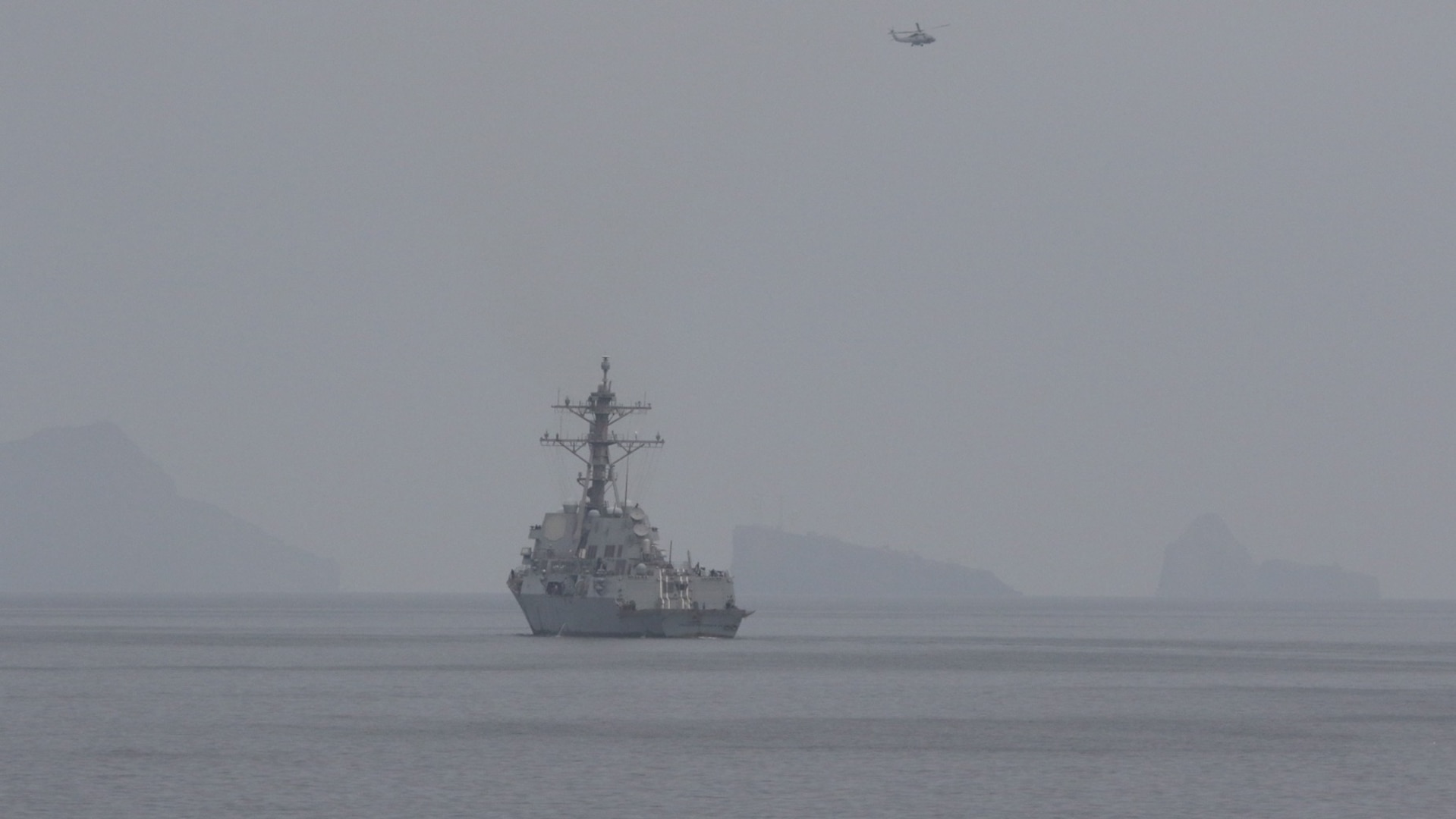
CENTCOM began clearing mines in the Strait of Hormuz on April 11, with USS Frank E. Peterson and USS Michael Murphy transiting the strait and operating in the Arabian Gulf. The effort is aimed at restoring a safe passage after mines were previously laid by Iran’s Islamic Revolutionary Guards Corps, and additional U.S. forces, including underwater drones, will join in the coming days. Because the Strait of Hormuz is a critical global trade corridor, the operation has elevated geopolitical and shipping-risk implications for energy and broader supply chains.
The immediate market read is not just a geopolitical risk premium; it is a logistics optionality premium. Even if traffic is ultimately restored, the clearance effort creates a short-lived window where freight rates, war-risk premiums, and inventory carry costs can gap higher faster than physical supply chains can adapt. That tends to benefit assets with embedded pricing power and hurt operators that rely on just-in-time routing through the Gulf, especially refiners, integrated shippers, and industrials with exposed Gulf Coast/Asia feedstock flows.
The second-order effect is on dispersion within energy and transportation. LNG and crude-linked equities may rally on headline risk, but the bigger squeeze is likely in downstream consumers: airlines, chemical producers, and container/RO-RO operators with thin margins and limited near-term hedging flexibility. A prolonged closure is not required for damage; a 1-2 week period of elevated insurance and rerouting can force forward contract repricing and prompt inventory pre-builds, which is bullish for tankers/alternative routes and bearish for sectors with high working capital sensitivity.
The trade is less about direction than convexity. Volatility in Brent, tanker rates, and defense names should stay bid while the market prices the probability distribution of a bad outcome; that makes long-dated optionality preferable to outright cash equity exposure. The key catalyst to watch is whether the safe corridor is credible enough to compress insurance spreads—if insurers, shippers, and charterers accept it, the move fades quickly; if not, the market will start pricing a months-long rerouting regime, not a days-long headline.
Contrarian view: consensus may overestimate how much crude physically needs Hormuz versus how much of the pricing move is just risk transfer. The real opportunity is in names levered to disruption management, not the obvious oil beta. If the corridor is successful, the trade unwinds fast; if it fails, the winners are those with exposure to alternative energy routes, naval/clearance capability, and rate-sensitive logistics scarcity.
AI-powered research, real-time alerts, and portfolio analytics for institutional investors.
Request DemoOverall Sentiment
mildly negative
Sentiment Score
-0.20
