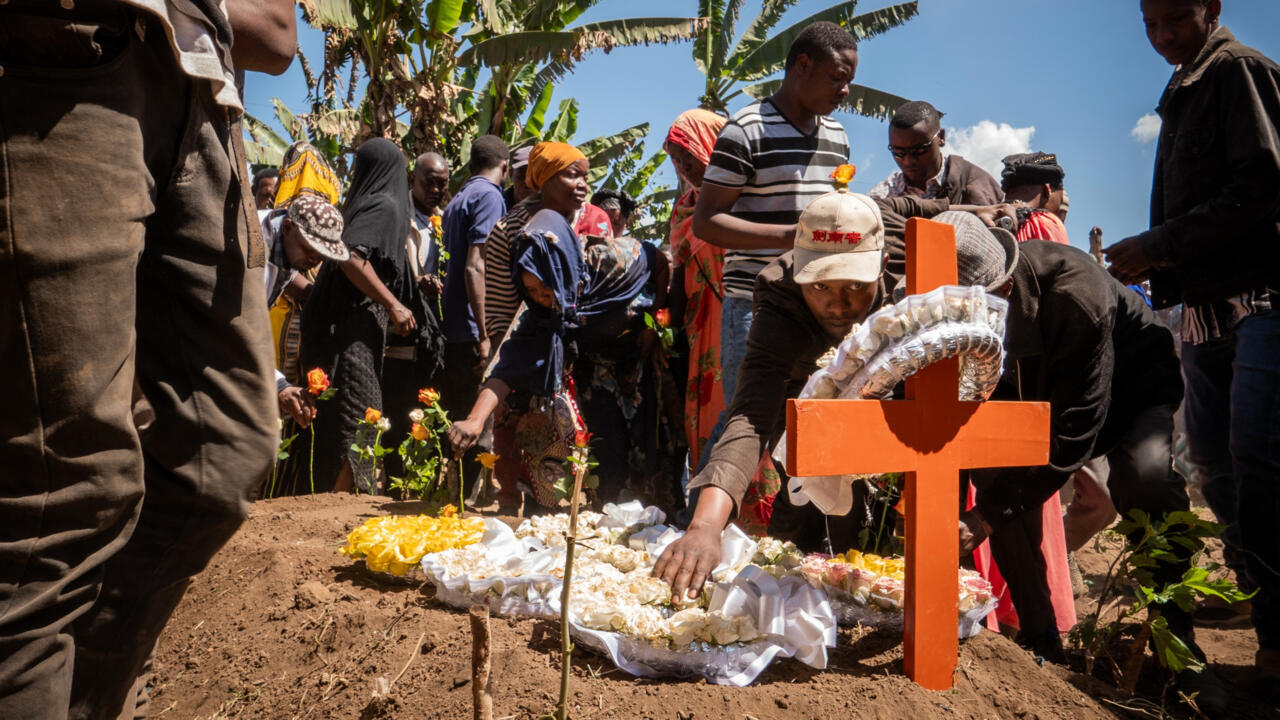
Tanzania faces escalating political instability following disputed elections, characterized by the arrest of senior opposition figures and hundreds of treason charges. This government crackdown, alongside allegations of widespread security force killings and the African Union's assessment that the polls failed democratic standards, significantly elevates political risk and governance concerns for institutional investors evaluating the country.
Tanzania is experiencing a significant escalation in political instability following last month's disputed elections, marked by the arrest of senior opposition official Amani Golugwa and the charging of hundreds with treason. This widespread crackdown by authorities, targeting key figures from the Chadema party, signals a hardening stance against political dissent and raises immediate governance concerns.
Allegations of severe human rights abuses are prominent, with human rights groups claiming 1,000 to over 3,000 deaths by security forces, a figure the government disputes. The African Union's assessment that the elections "did not comply with AU principles" due to ballot stuffing and a non-conducive environment further undermines the legitimacy of the current administration. President Hassan's victory with over 97% of the vote, following the barring of major opposition candidates, reinforces concerns about democratic backsliding.
This environment of political repression, coupled with reported internet blackouts and bandwidth restrictions, significantly elevates the country's political risk profile. The authoritarian governance style, as noted by critics, suggests a challenging operating environment for foreign investment and raises questions about long-term stability and policy predictability.
AI-powered research, real-time alerts, and portfolio analytics for institutional investors.
Request DemoOverall Sentiment
extremely negative
Sentiment Score
-0.85
