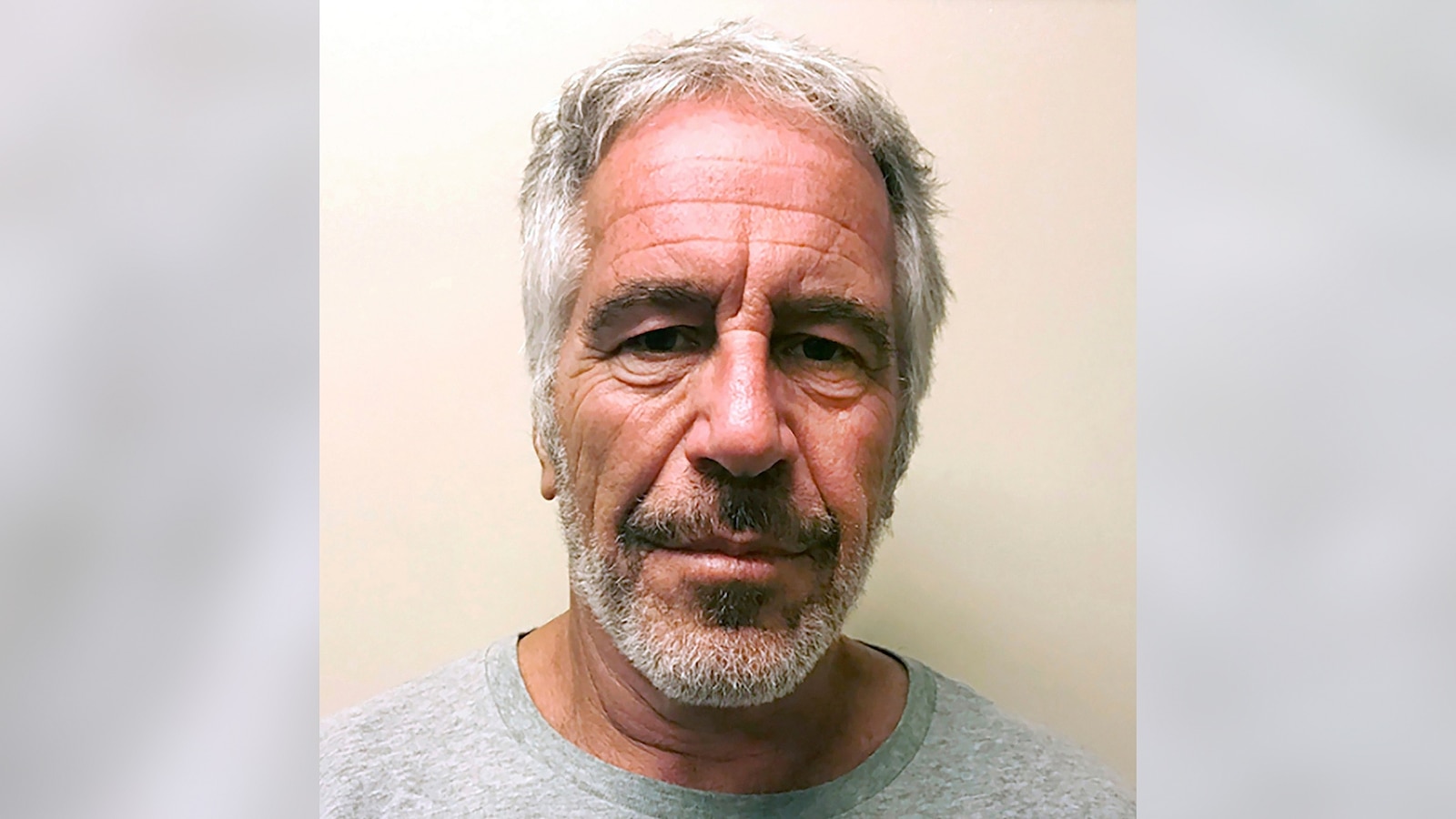
U.S. District Judge Richard Berman (SDNY) granted the Justice Department’s motion to unseal grand jury materials and other nonpublic evidence from the government’s Jeffrey Epstein files, finding that the recently enacted Epstein Files Transparency Act overrides traditional grand-jury secrecy; the order follows similar rulings by Judges Paul Engelmayer and Rodney Smith and effectively clears the way for public disclosure of materials tied to investigations of Epstein and co-defendant Ghislaine Maxwell. Berman emphasized that disclosures must protect alleged victims’ identities and safety, and lawmakers including Rep. Ro Khanna warned they will watch for any attempts to delay or block release, signaling continued political and legal scrutiny as the DOJ prepares to make sensitive records public.
U.S. District Judge Richard Berman (SDNY) issued a four-page order granting the Justice Department's motion to unseal grand jury materials and other nonpublic evidence from the Jeffrey Epstein criminal files, finding that the recently enacted Epstein Files Transparency Act clearly overrides traditional grand-jury secrecy. This is the third judge to grant such relief—following rulings by Judges Paul Engelmayer and Rodney Smith—which together clear the legal path for public disclosure of materials tied to investigations of Epstein and Ghislaine Maxwell and to the earlier Florida probe in the mid-2000s.
Berman's order conditions the release on protections for alleged victims’ identities and safety, and the opinion explicitly ties the DOJ's authority to the plain language of the new statute. The article notes continued political scrutiny, including Rep. Ro Khanna's statement that he will watch for delays and that the Act was bipartisan and signed by President Trump; Epstein died in custody in August 2019 while awaiting trial.
The immediate market signal is neutral (sentiment score 0.0; market impact score 0.05), reflecting that disclosures are likely to produce reputational and legal scrutiny concentrated on named individuals rather than broad market disruption. Investors should watch the DOJ release timeline, redaction practices and any specific corporate or fiduciary names disclosed, as those will drive any issuer-specific legal or reputational risk and potential follow-on litigation or regulatory actions.
AI-powered research, real-time alerts, and portfolio analytics for institutional investors.
Request DemoOverall Sentiment
neutral
Sentiment Score
0.00
