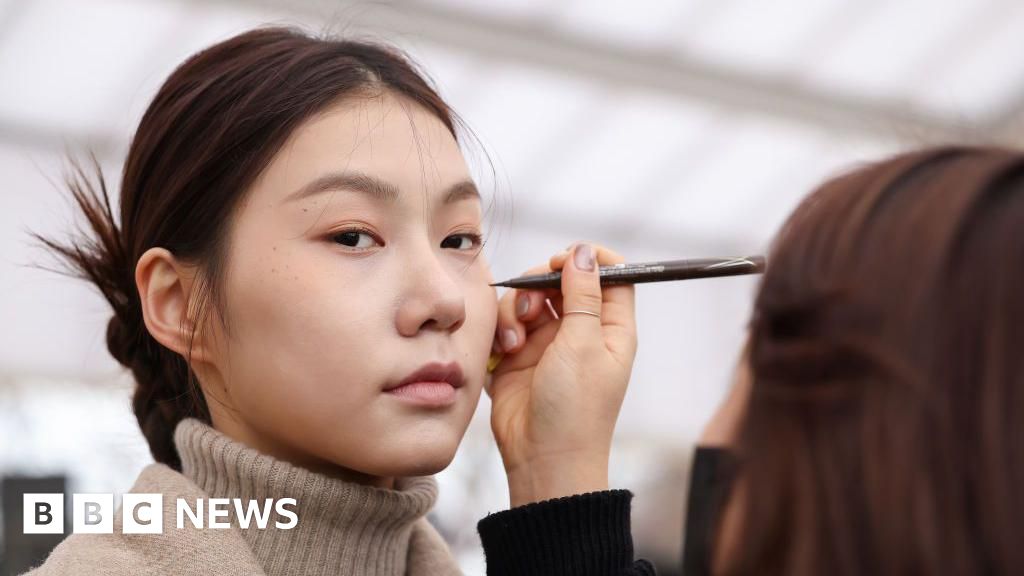
The U.S. has imposed a 15% import tax on South Korean goods, notably impacting the K-beauty sector which saw $1.7 billion in U.S. sales in 2024. This tariff is expected to drive up K-beauty product prices, prompting immediate consumer stockpiling and putting pressure on retailers, particularly smaller ones with tighter margins. While larger brands may better absorb these costs, demand for K-beauty is anticipated to remain robust among loyal customers due to its unique appeal, despite potential deterrence for casual buyers. This 15% tariff also extends to exports from Japan and the EU, broadening its market impact.
The imposition of a 15% US import tariff on South Korean goods presents a significant headwind for the rapidly growing K-beauty sector, which recorded $1.7 billion in US sales in 2024, a year-over-year increase of over 50%. The immediate market response includes consumer stockpiling, with one retailer reporting a 30% surge in orders, indicating widespread anticipation of price increases. The financial impact is expected to be uneven across the industry; larger, established K-beauty brands with higher profit margins are positioned to absorb the tariff costs, whereas smaller firms, especially those operating with slim margins on platforms like Amazon, will likely be forced to raise prices. While higher prices may deter casual buyers, demand from the core consumer base is projected to remain inelastic. This resilience is attributed to the unique product formulations and strong brand loyalty, with devoted customers seeing no easy US-made substitutes and expressing a willingness to pay more. The competitive landscape is somewhat neutralized by the application of the same 15% tariff to goods from Japan and the European Union, preventing a direct disadvantage against other major international cosmetic exporters.
AI-powered research, real-time alerts, and portfolio analytics for institutional investors.
Overall Sentiment
moderately negative
Sentiment Score
-0.40
Ticker Sentiment
