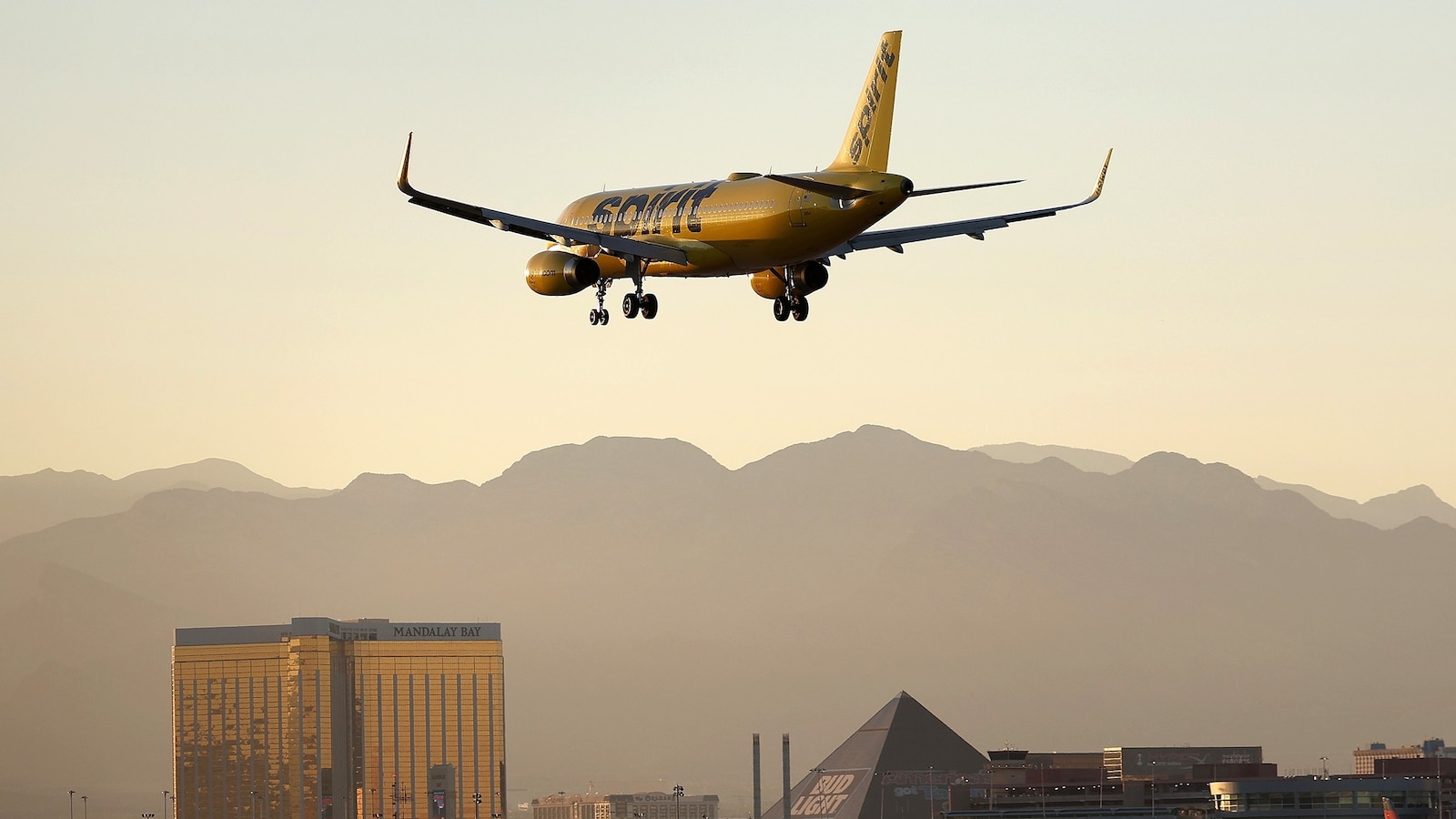
Spirit Airlines shut down operations on May 2, abruptly laying off roughly 17,000 employees and triggering a proposed class-action suit over alleged WARN Act violations. Former workers say they lost jobs, benefits, system access, and may still be owed final pay, accrued vacation, and sick time, with damages sought equal to 60 days of wages and benefits. The airline cited oil price pressure and stalled federal rescue talks before beginning an immediate wind-down of operations.
This is not just an idiosyncratic bankruptcy headline; it is a classic WARN Act overhang that can turn an equity wipeout into a meaningful administrative and litigation cash claim. The immediate market impact is on unsecured creditor recovery math: if the estate is forced to reserve for 60 days of wages/benefits plus accrued PTO, that directly competes with lessor, vendor, and bondholder recoveries, particularly if cash burn accelerated into the shutdown window. The bigger second-order effect is that abrupt cessation raises the odds of follow-on claims from employees, customers, and counterparties, lengthening the restructuring process and increasing professional fees. Competitively, the capacity exits are most relevant for domestic ULCC peers and leisure-focused network carriers. The near-term benefit is not a clean share gain so much as a temporary lift in fare rationality on thinner leisure routes, especially where Spirit had forced price discipline; that tends to show up first in booking curves over the next 4-8 weeks rather than in same-day pricing. Less obvious: airport vendors, ground handlers, and MRO providers in Spirit-heavy stations face a small but real revenue vacuum, while lessors and engine lessors may see a faster recycling of assets into other distressed carriers or charter operators at reset lease rates. The key risk is that the story evolves from a one-off wind-down into a broader ULCC stress signal if financing windows remain shut. If one carrier can’t bridge to rescue capital, the market may reprice weaker balance-sheet airlines for refinancing risk over the next 3-6 months, especially those with high variable-cost exposure and limited unencumbered assets. The contrarian view is that the operational shock may be briefly bullish for airline margins: less capacity can improve industry pricing faster than the demand loss hurts, and the real winner could be the strongest balance sheets rather than the most obvious domestic peers. For now the best setup is to treat this as a short-duration relative-value event, not a sector-wide collapse. If investors extrapolate beyond the immediate capacity removal, they may overstate the contagion; if they underappreciate labor and creditor claims, they will miss the drag on recovery values and the risk of a slower liquidation process.
AI-powered research, real-time alerts, and portfolio analytics for institutional investors.
Request DemoOverall Sentiment
extremely negative
Sentiment Score
-0.92
