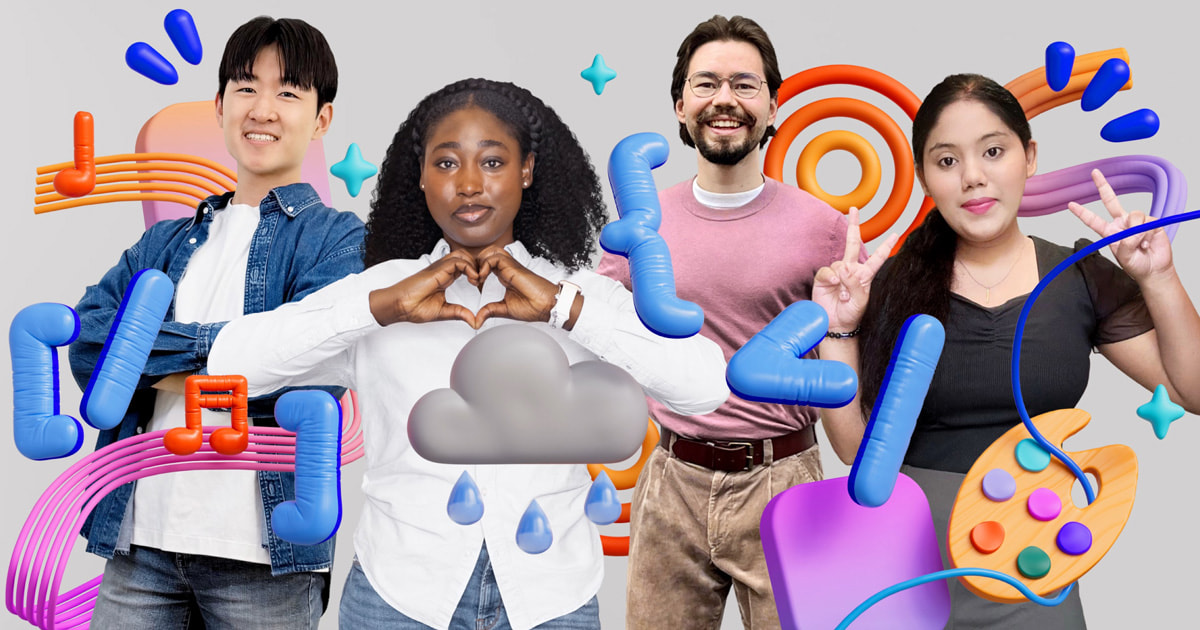
Apple highlighted 350 winning submissions from 37 countries and regions in its annual Swift Student Challenge, with 50 Distinguished Winners invited to WWDC at Apple Park. The showcased apps emphasize AI and accessibility, including tools for tremor-assisted drawing, real-time presentation feedback, flood-zone routing, and accessible viola learning. The article is largely a celebratory product and developer ecosystem feature with limited immediate market impact.
The marginal signal here is not the student apps themselves; it is Apple turning accessibility into the default framing for AI development. That matters because it widens the addressable use case from “novel AI demos” to workflows with clear utility, which improves retention and makes the platform stickier for developers learning on-device tooling. The second-order effect is reputational: Apple gets to position its AI stack as safer and more humane than cloud-first competitors, a useful differentiator as regulators and consumers increasingly scrutinize data privacy and model hallucination risk.
For AAPL, this is a long-duration brand and ecosystem catalyst, not a near-term revenue driver. The real monetization path is higher developer engagement, more App Store supply, and increased willingness by students and small teams to build natively on Apple frameworks rather than cross-platform abstractions. That should modestly support Services gross profit over 12-24 months if it translates into more shipping apps, but the market should not overstate the immediacy; this is an ecosystem compounding story, not a quarter-to-quarter earnings setup.
The contrarian read is that AI-assisted app creation compresses the moat for lower-complexity mobile software. If coding, translation, and prototyping become cheap, some third-party app categories get commoditized faster, which could pressure smaller software vendors and one-off educational/app-launch businesses. FIG is likely a non-factor financially, but any “AI democratizes creation” narrative can be a medium-term headwind for niche creative workflow software if users can substitute built-in or self-built solutions at near-zero incremental cost.
Risk is that accessibility branding alone does not convert into adoption. If Apple’s AI tooling remains perceived as limited versus best-in-class cloud models, developer enthusiasm could fade over the next 6-12 months. The main catalyst to watch is WWDC: if Apple shows materially improved on-device model capability, better developer APIs, or easier monetization hooks, this narrative becomes a more durable multiple-supportive factor for AAPL.
AI-powered research, real-time alerts, and portfolio analytics for institutional investors.
Request DemoOverall Sentiment
mildly positive
Sentiment Score
0.35
Ticker Sentiment
