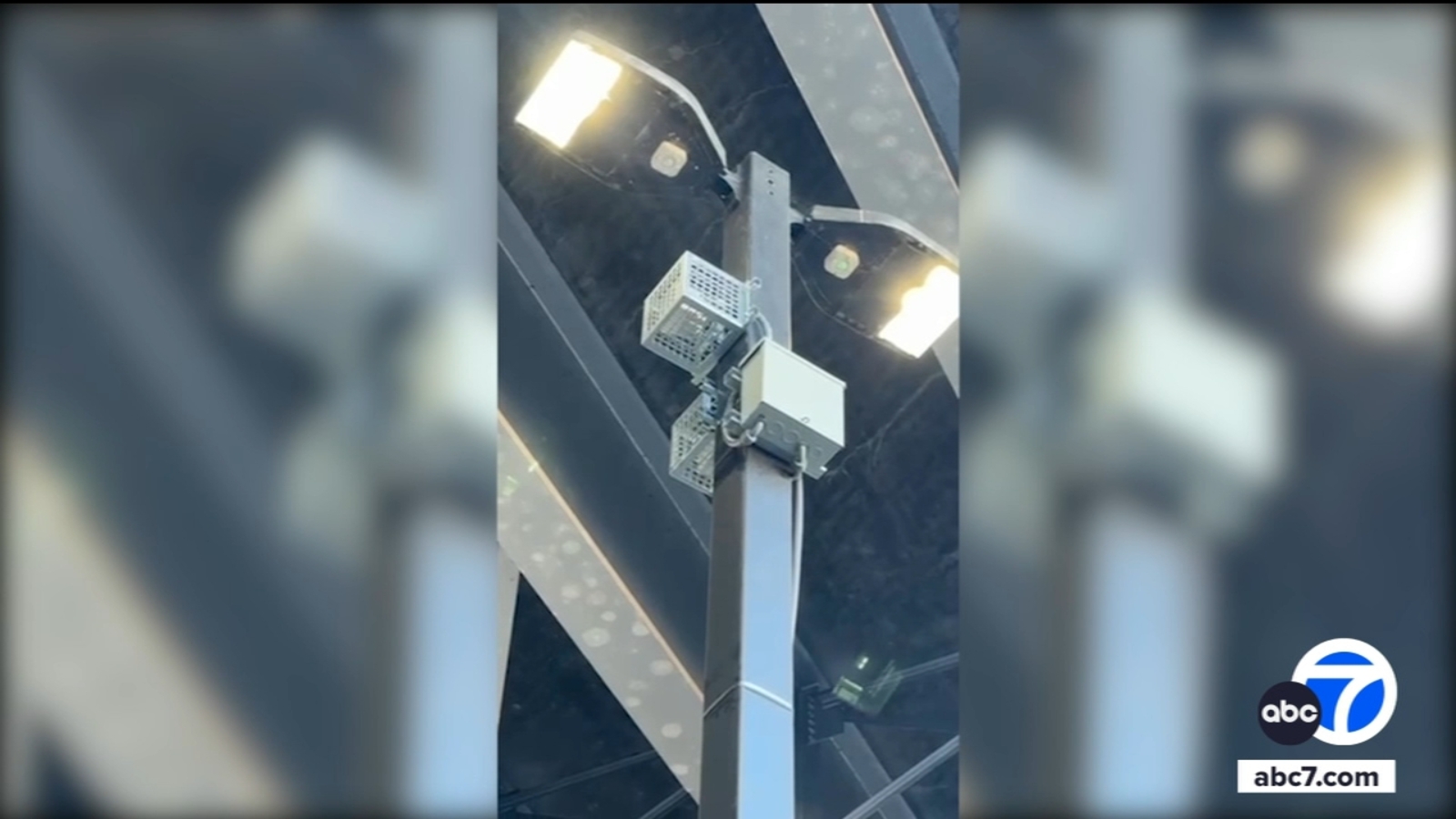
Home Depot is facing local backlash after immigrant-rights advocates allege the retailer installed high‑pitched sound devices outside its Cypress Park, Los Angeles store to deter day laborers; advocates report headaches and nausea and have called for removal. The company denied using such sound technology while saying it has safety initiatives and K‑gate barriers to prevent illegal overnight parking; activists are organizing local boycotts and protests. The episode poses a localized reputational and operational risk for the store and could draw heightened scrutiny from regulators or community groups, but is unlikely to materially move Home Depot’s broader financials absent escalation.
Market structure: This is a localized reputational/ESG incident that primarily pressures HD at the store-level in immigrant-dense ZIP codes; immediate winners are competitors with overlapping footprints (e.g., LOW) and vendors of non-controversial security tech. National market share or pricing power is unlikely to move materially (<1-2% share shift) absent escalation, but localized footfall could drop mid-single-digits for affected stores over weeks. Cross-asset: expect small uptick in HD equity IV (5–20% relative), negligible moves in investment-grade bonds or FX unless the story broadens into regulatory action.
Risk assessment: Tail risks include a class-action or municipal ban on sonic deterrents that triggers regulatory fines or mandated remediation costs (plausible but low probability); model a stress scenario of $5–20m incremental costs and a 1–3% EPS hit concentrated in CA stores. Time horizons: immediate (days) for protests/social media virality, short-term (weeks–quarters) for SSS impact and activist boycotts, long-term (quarters–years) for litigation/regulatory change. Hidden dependencies: local ordinances, activist coordination (e.g., Hollywood boycott) and spillover to other HD locations; catalysts are viral video, DOJ/EEOC inquiry, or multiple store incidents.
Trade implications: Tactical equity/option hedges are appropriate rather than directional large bets: size hedges to 1–3% of AUM given low expected fundamental damage. Consider relative-value plays: long LOW vs short HD where exposure is focused (3–6 month horizon). Options: use 3–6 month put spreads on HD to cap cost if headlines worsen; sell short-dated premium only if IV inflates >30% versus 30-day average. Sector: underweight large-format retail REITs with consumer-facing ESG risk exposure and overweight specialty/online home improvement exposure.
Contrarian angles: Consensus likely overestimates lasting impact — analogous retail protests (e.g., Starbucks/Chipotle incidents) typically produced <2% sustainable earnings impact; if no regulatory escalation within 30–60 days, HD downside is probably capped. Mispricings: short-dated option IV may overshoot — opportunity to sell premium if social noise fades. Unintended consequence: sustained activism could force costly compliance upgrades across the big-box channel, creating a multi-month capex headwind; hedge that by trimming exposure to large-format retail names with high CA store concentration.
AI-powered research, real-time alerts, and portfolio analytics for institutional investors.
Request DemoOverall Sentiment
mildly negative
Sentiment Score
-0.25
Ticker Sentiment
