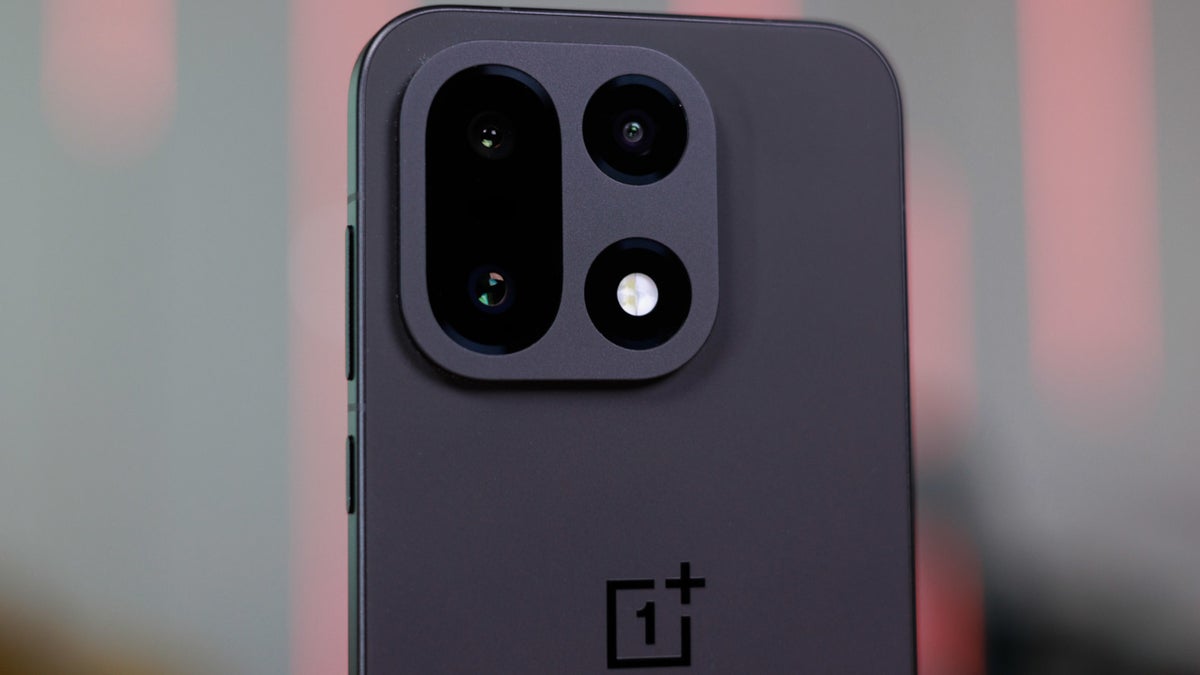
OnePlus resumed rollout of OxygenOS 16.0.7.XXX and 16.0.5.XXX after identifying and resolving an internal software issue that had prompted a temporary halt. The company said no external users were impacted by the bootloop bug, and affected devices can be used normally with confidence. The update applies to the OnePlus 15 series in the U.S. and India and several OnePlus 13/12/Nord models.
This is a small but meaningful reputational positive for GOOGL only by contrast: the market keeps rewarding platforms that look operationally disciplined, and the gap between “caught internally” versus “public customer harm” matters more than the update itself. For Google, the second-order issue is not one bad patch; it is the cumulative erosion of trust in the Pixel ecosystem, which can weaken upgrade intent, lower accessory attach, and increase churn to Apple/Samsung over time. In other words, the real P&L risk is not a one-day support cost but a slower hardware flywheel and weaker ecosystem stickiness.
The competitive read-through is that a better execution benchmark from a smaller peer raises the bar for Google’s hardware and software integration story. If consumers and carriers perceive Google devices as less dependable, the company has to spend more on incentives, warranty reserves, and marketing just to defend unit share, compressing margins in a business already structurally less profitable than the core ad franchise. That matters because hardware credibility is also a strategic asset for AI distribution and default-search retention on mobile.
The contrarian view is that the market may over-attribute hardware missteps to the stock. This is a franchise with overwhelmingly ad-driven economics, so unless device reliability begins to affect engagement, search defaults, or premium ecosystem adoption, the earnings impact should remain de minimis. The more durable takeaway is that Google’s consumer hardware optionality is being valued less as a growth engine and more as a promotional channel for services, which could cap upside in any “Pixel as a platform” re-rating.
Key catalyst horizon is months, not days: watch holiday device reviews, carrier promotion intensity, and any change in Pixel return rates or warranty commentary over the next 1-2 quarters. A meaningful reset in sentiment would require either a public, proactive remediation cycle or evidence that device quality issues are slowing Pixel adoption relative to Android peers.
AI-powered research, real-time alerts, and portfolio analytics for institutional investors.
Request DemoOverall Sentiment
mildly positive
Sentiment Score
0.20
Ticker Sentiment
