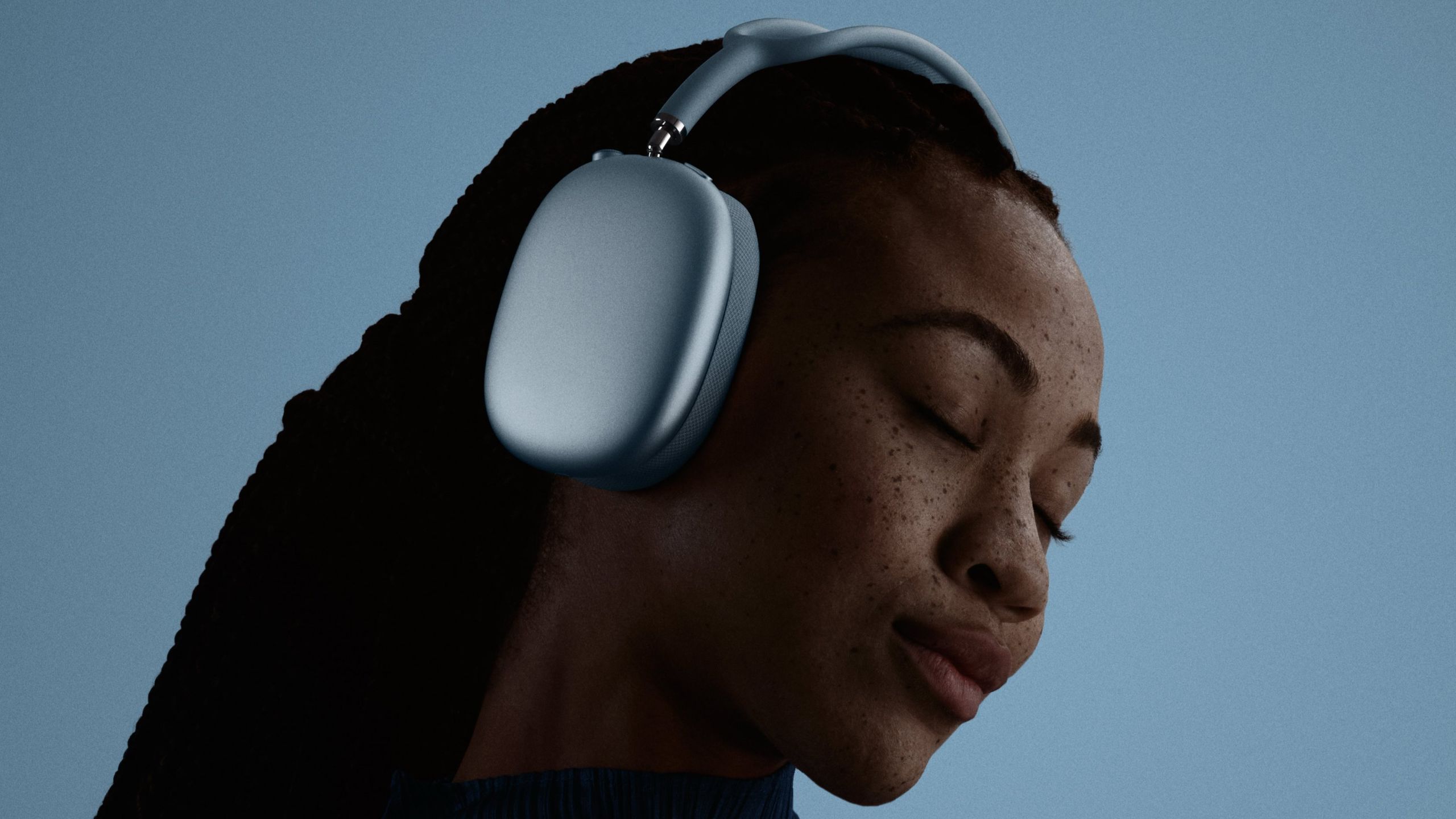
1.5x improvement in active noise cancellation vs the original AirPods Max achieved purely via dual H2 chips and algorithmic upgrades (no change to physical hardware). AirPods Max 2 also adopts a digital amplifier from AirPods Pro 3, runs Adaptive EQ continuously (cited at 48,000 updates/sec), and adds features like Adaptive Audio, Personalized Spatial Audio, Live Translation, Voice Isolation, Conversation Awareness and 5GHz/Game Mode. The release signals a platform-led approach — stabilizing physical design while extending capabilities through silicon and software — which should support product longevity and premium consumer demand, with only modest direct near-term revenue impact expected.
Apple’s strategy — squeezing incremental functionality from the same hardware silhouette via more capable internal processing — imposes a two-way scramble on the ecosystem. Component vendors that sell commoditized silicon lose pricing power, while specialist audio-algorithm and microphone array firms gain leverage as Apple still needs niche parts and IP for beamforming and MEMS mics. Expect that competitive responses (either new hardware redesigns or accelerated software-only updates) will cluster in a 6–18 month window as incumbents triage R&D spend.
The real P&L lever here is engagement, not unit count. Higher-fidelity, lower-latency listening that scales personalization raises the marginal value of subscription audio/video products and could extend useful device life so customers keep using Apple services longer. Even a modest 1–2% uplift in streaming ARPU or a 2–3% reduction in churn across Apple’s installed base would be economically meaningful over 12–24 months because it compounds across millions of active accounts.
Key risks and catalysts are timing and elasticity. Premium headphone upgrades are a long-cycle purchase — market share moves will be measured over quarters not weeks — so near-term inventories and sell-through will determine whether this is a modest ASP reallocation or the start of a durable attach-rate acceleration. Regulatory/antitrust scrutiny of vertical integration remains a medium-term tail risk: forced unbundling or supplier remedies could change margin dynamics for both Apple and third-party component suppliers within 12–36 months.
AI-powered research, real-time alerts, and portfolio analytics for institutional investors.
Request DemoOverall Sentiment
moderately positive
Sentiment Score
0.40
Ticker Sentiment
