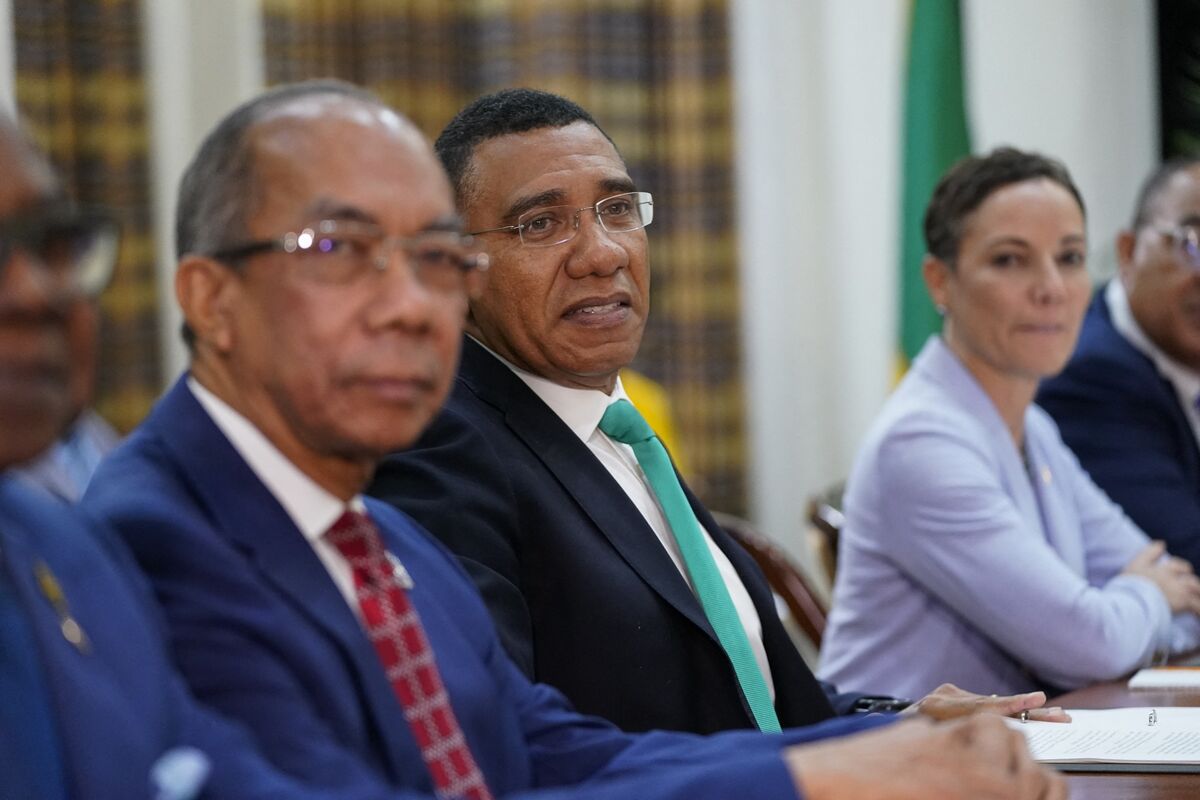
Jamaica's general election on Wednesday features Prime Minister Andrew Holness seeking a third term, leveraging his administration's record of falling debt, reduced crime rates, and record low unemployment. Despite these economic achievements, polls indicate an exceptionally tight contest against the opposition People's National Party, signaling significant political uncertainty as the outcome remains too close to call.
Jamaica faces a pivotal general election that introduces significant political uncertainty for investors, despite a period of strong macroeconomic performance under the incumbent administration. Prime Minister Andrew Holness's government has overseen a notable turnaround, evidenced by falling public debt, collapsing crime rates, and record low unemployment. However, these positive economic indicators have not translated into a clear electoral advantage. Polls show the race between the governing Jamaica Labor Party and the opposition People’s National Party is too close to call. This creates a binary risk event where the outcome could either reinforce the current pro-market policy direction or introduce a period of policy re-evaluation and potential market volatility. The prevailing 'uncertain' tone suggests that while the market is not pricing in a severe disruption, investors are cautious pending a clear result.
AI-powered research, real-time alerts, and portfolio analytics for institutional investors.
Request DemoOverall Sentiment
mixed
Sentiment Score
0.00
