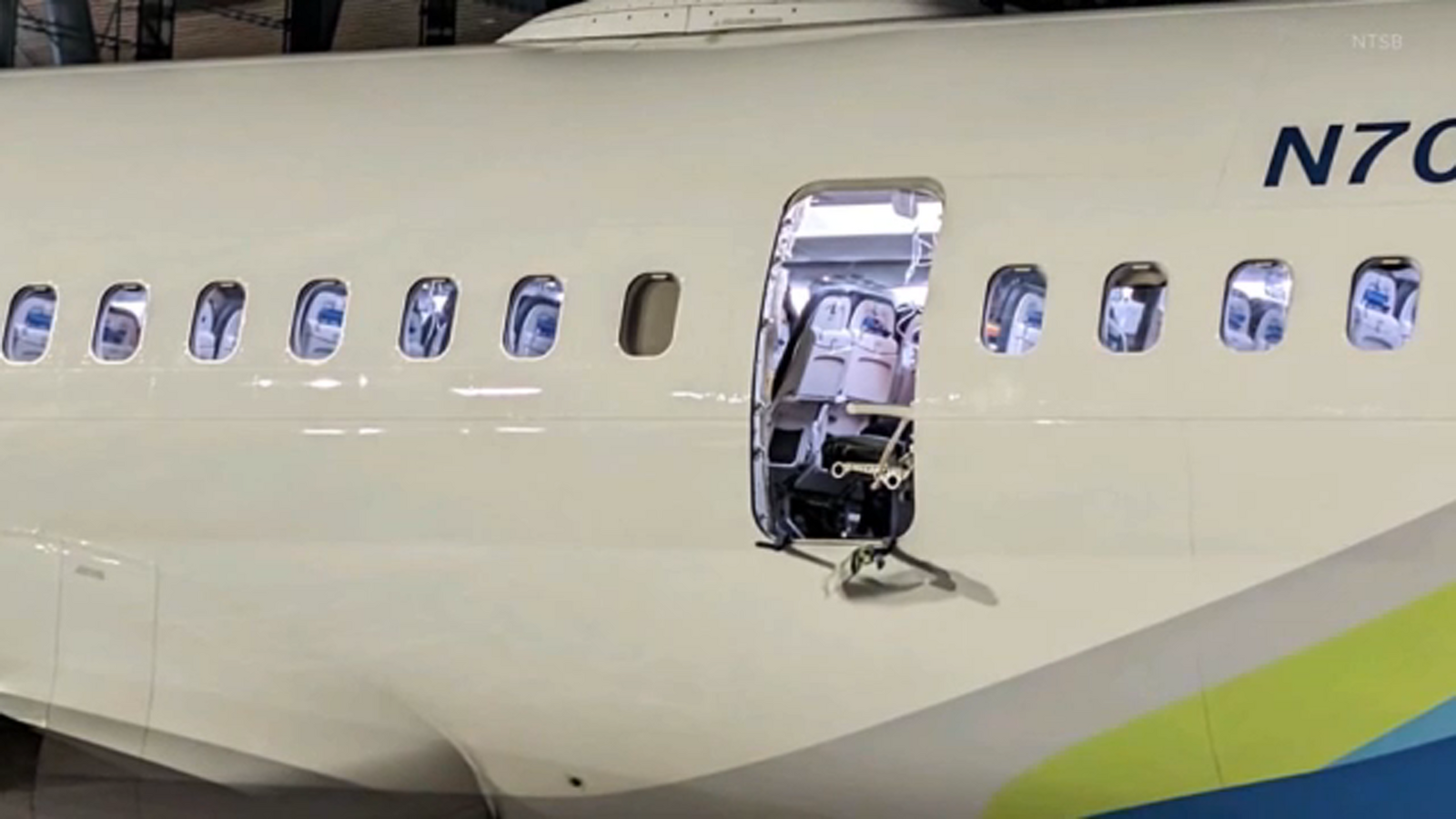
Captain Brandon Fisher has sued Boeing after the NTSB concluded a door-plug panel blew out from a Boeing 737 Max 9 on flight 1282 in January 2024 due to four bolts removed and never replaced during assembly; 177 people were aboard and the aircraft had made 154 flights during the panel's gradual movement. Boeing and supplier Spirit Aerosystems were implicated, Spirit has since been acquired by Boeing, and regulators fined Boeing $3.1 million while later approving a production increase to 42 737 Max aircraft per month. The lawsuit alleges Boeing tried to shift blame to the crew, adding to existing passenger and crew litigation and reputational risk; investors should monitor potential legal exposure, regulatory scrutiny, and any operational impacts to production or certification timelines.
Market structure: Boeing (BA) and its large-system suppliers (Spirit/SPR) are the direct losers — expect order renegotiation risk and modest pricing pressure on new 737 Max sales over 6–24 months. Airlines (passenger carriers) are neutral-to-slight beneficiaries if Boeing faces delivery slippage (short-term negotiating leverage on price/delivery); Airbus may pick up incremental RFP wins but realistically capture <5% of BA’s backlog in the next 12 months. Credit/volatility: anticipate a near-term widening in BA senior credit spreads (20–80 bps) and a 30–60% jump in BA equity IV on headline-driven days; USD safe-haven flows may tighten across corporate EM debt but commodity impacts are immaterial.
Risk assessment: Tail risks include temporary FAA production caps or targeted grounding of specific 737 Max sub-configurations (low-probability, high-impact) that could cost BA >$2–4bn of cash flow over 12 months. Immediate (days): headline-driven vol and knee-jerk analyst downgrades; short-term (weeks–months): class-action suits and regulatory fines crystallize; long-term (1–3 years): demand elasticity and reputational damage could erode market share if Airbus converts orders. Hidden dependencies: supplier concentration (SPR integration), labor/inspection quality, and insurance litigation outcomes that can amplify liabilities.
Trade implications: Direct: establish a 2–3% tactical short equity position in BA with a hedge using 3–6 month 25–40% delta put options or a bear put spread to cap premium (target payoff if BA moves -20%+). Pair: short BA and go long airline exposure (e.g., JETS ETF or large US carriers) 1:1 to capture manufacturer-specific risk while preserving exposure to travel demand; rebalance after 6–8 weeks or post-NTSB/FAA rulings. Sector: reduce exposure to small/medium aerospace suppliers (SPR underweight 1–2%) and rotate into defense primes (LMT, NOC) with predictable government-backed revenue over 12–36 months.
Contrarian: consensus may overprice perpetual downside — BA has a multi-year backlog and government/airline incentives to restore production; past crises (737 MAX 2019–21) show recovery in 12–36 months once regulatory fixes are accepted. If FAA and NTSB close investigations with limited additional penalties, BA could see a sharp relief rally; consider selling short-dated volatility after that catalytic event rather than being naked short into it. Unintended risk: aggressive short exposure pre-catalyst can be squeezed if Boeing demonstrates operational fixes and order re-commitments.
AI-powered research, real-time alerts, and portfolio analytics for institutional investors.
Request DemoOverall Sentiment
moderately negative
Sentiment Score
-0.35
Ticker Sentiment
