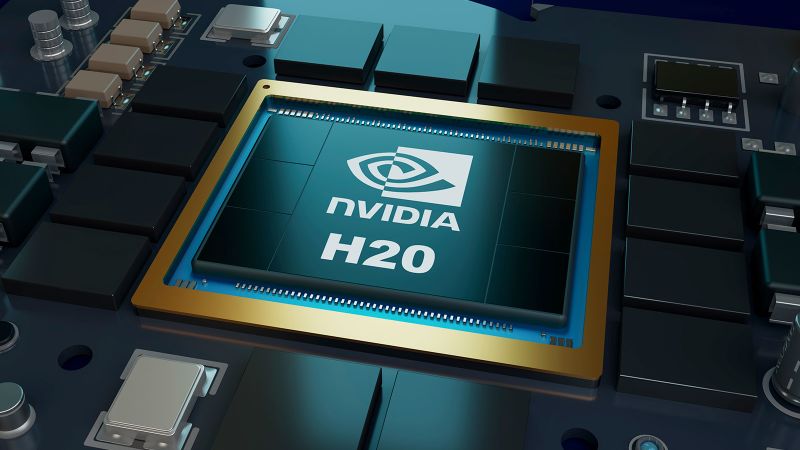
Nvidia and AMD have agreed to pay the US government 15% of their China semiconductor sales, estimated at $5 billion annually, in exchange for export licenses following a prior ban. This unprecedented 'pay-to-play' arrangement is viewed by critics as a new, potentially unconstitutional form of corporate taxation dictated by the executive, raising significant concerns among investors regarding its implications for other US businesses and presidential authority over corporate revenues.
Nvidia and AMD have entered into an unprecedented agreement with the U.S. government, agreeing to pay a 15% levy on all semiconductor revenues from China in exchange for the reversal of a total sales ban. This arrangement, estimated to direct approximately $5 billion annually to the U.S. Treasury, effectively resolves a significant revenue threat for both companies, as China constituted 13% of Nvidia's sales in 2024. However, the deal introduces a novel and significant form of political and financial risk. Market strategists and economists have voiced strong criticism, labeling the move a potentially unconstitutional 'shakedown' that bypasses Congressional taxation and appropriation authority. It is viewed as part of a broader administrative strategy of leveraging punitive threats to force transactional outcomes, as also evidenced by Apple securing tariff exemptions after pledging $100 billion in domestic investment. While the immediate market reaction was muted, the negative sentiment from analysts (NVDA/AMD sentiment score: -0.6) highlights deep concerns that this sets a dangerous precedent, potentially exposing all of corporate America to a new 'pay-to-play' model and signaling a shift toward a 'state capitalist' agenda where the executive branch exerts direct financial control over private industry.
AI-powered research, real-time alerts, and portfolio analytics for institutional investors.
Overall Sentiment
strongly negative
Sentiment Score
-0.70
Ticker Sentiment
