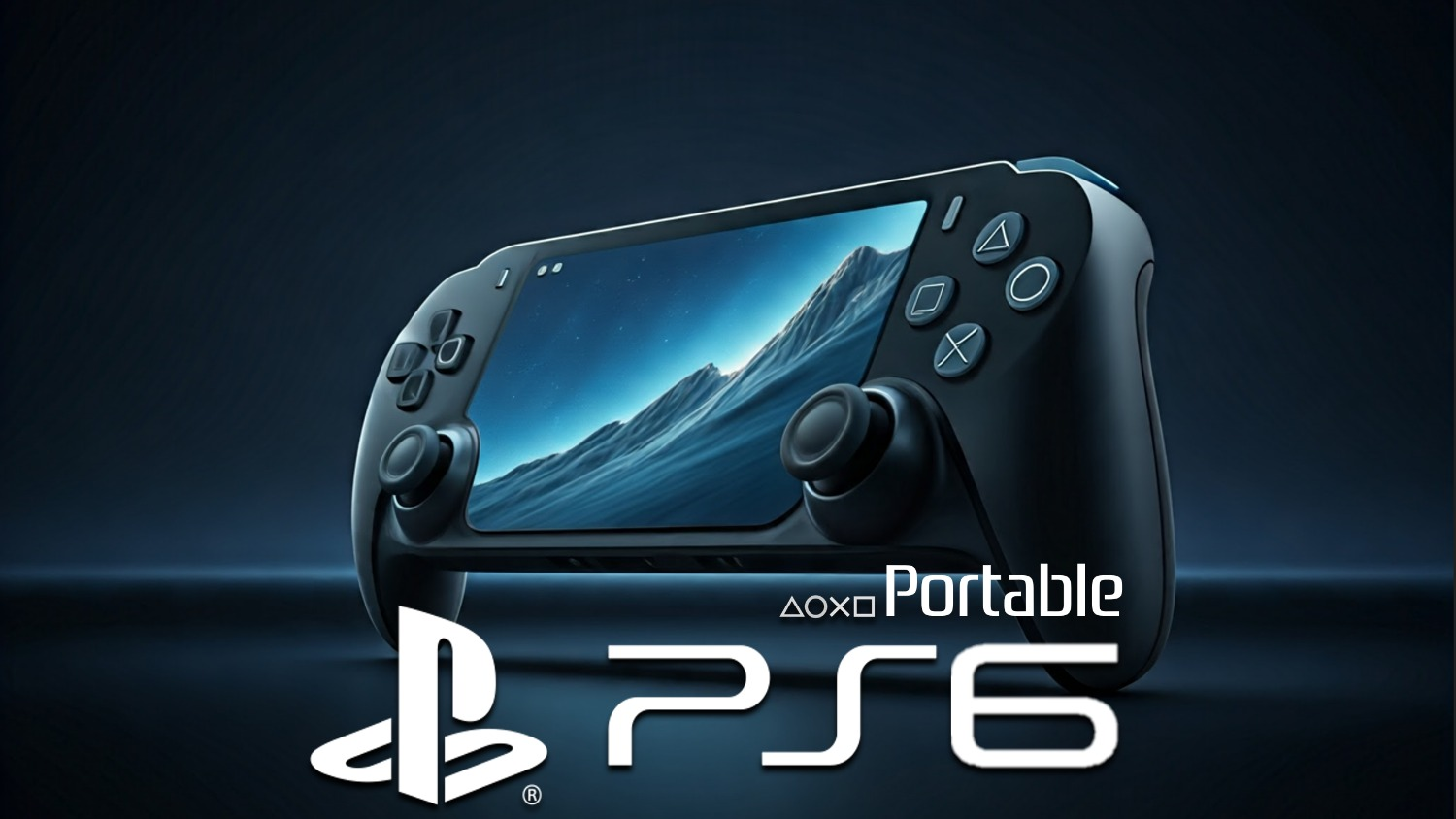
Sony’s next PlayStation lineup is estimated to include three SKUs: a PS6 Lite at $350-$550, a PS6 handheld at $500-$700, and a full PS6 at $700-$1,000. The article also suggests the handheld could be more capable than an Xbox Series S and Nintendo Switch 2, while Sony’s Project Amethyst AI/upscaling tech may help reduce power consumption and enable a future handheld strategy. The update is largely speculative, but it highlights a potentially broader and more flexible PS6 product stack.
The market implication is less about a single flagship console and more about Sony creating a tiered installed-base capture strategy that improves unit economics across the cycle. A lower-spec model and a handheld sharing silicon would let Sony amortize software, tooling, and supplier commitments over more units, while the disc-less default nudges mix toward higher-margin digital revenue and away from costly physical distribution. The second-order winner is AMD: if two or three SKUs share architectural building blocks, AMD gets design-win durability, higher wafer absorption, and leverage into Sony’s platform roadmap beyond one console generation.
The key competitive read-through is that Sony is trying to preempt the one segment where Nintendo has historically owned the experience layer: portable play. If the handheld truly runs native current-gen titles, that is a higher-value proposition than cloud/streaming handhelds and could pressure mid-range PC handhelds on battery/performance tradeoffs. The loser is likely the ecosystem around physical media and retailer-driven launch traffic; over time, that shifts gross profit toward first-party content, subscriptions, and attach-rate monetization rather than hardware resale economics.
The main risk is not demand for the product concept, but execution and timing. A broad SKU stack only works if Sony avoids self-cannibalization: a sub-$500 base model that is “good enough” can cap premium console mix and compress ASPs if software demand weakens late-cycle. The other tail risk is a supply-chain reset if memory costs spike or process yields disappoint; that would force either higher MSRP or thinner hardware margins right as consumers are most price-sensitive.
Contrarian view: the consensus may be overestimating how much hardware breadth helps if the market is already shifting toward services, cross-platform content, and PC. The most attractive setup is not blindly bullish SONY hardware volume; it is a relative-value bet that Sony’s platform scale and AMD’s silicon content share matter more than headline console margins. If the handheld lands as a credible native device, the strategic value to Sony could be larger than the near-term hardware P&L, but that upside will likely accrue over 12-24 months rather than on launch headlines.
AI-powered research, real-time alerts, and portfolio analytics for institutional investors.
Request DemoOverall Sentiment
mildly positive
Sentiment Score
0.15
Ticker Sentiment
