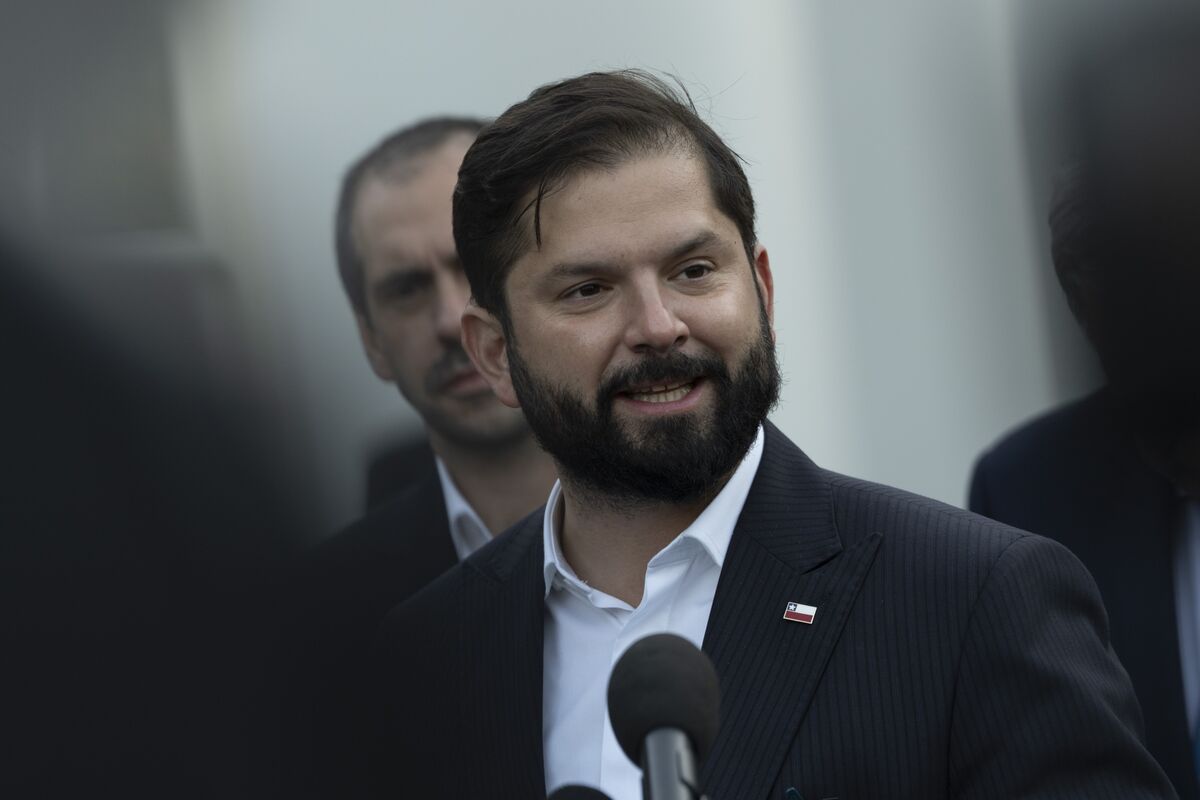
Chilean President Gabriel Boric publicly challenged the central bank's assessment that his administration's policies, including a significant minimum wage hike and a shorter workweek, are contributing to weak job creation. This rare presidential critique of the monetary authority, detailed in the central bank's latest monetary policy report, signals a notable divergence in views on labor market dynamics and economic policy between the executive and the central bank.
A notable policy divergence has emerged in Chile, marked by a rare public critique from President Gabriel Boric against the nation's central bank. The conflict stems from the central bank's formal assessment, published in its latest monetary policy report, which attributes weak job creation to key government policies, specifically the significant hike in the minimum wage and the gradual reduction of the legal workweek. This public disagreement between the executive branch and the monetary authority introduces a layer of political and policy uncertainty. For investors, such a rift is a negative signal, as it can undermine the perception of a unified economic strategy and potentially compromise the central bank's independence, a cornerstone of macroeconomic stability in emerging markets.
AI-powered research, real-time alerts, and portfolio analytics for institutional investors.
Request DemoOverall Sentiment
moderately negative
Sentiment Score
-0.40
