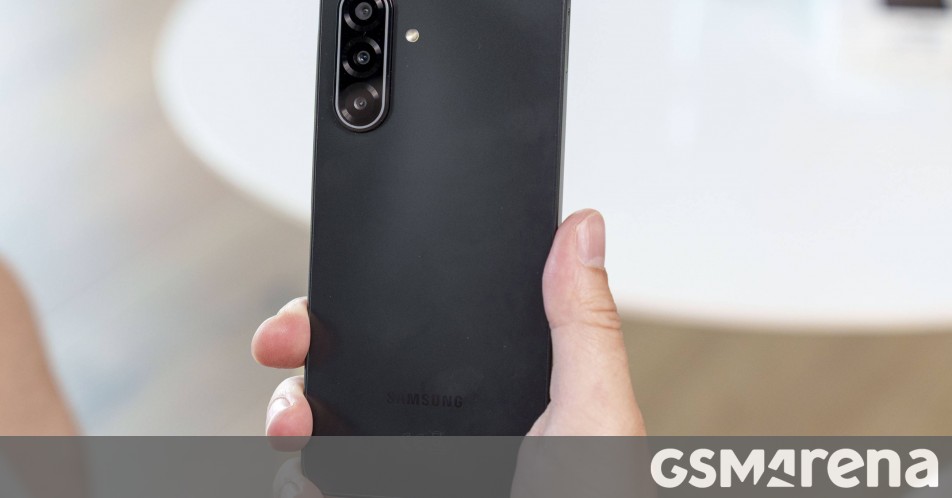
Samsung will bring the Galaxy A17 5G to the U.S. on January 7 for $199.99 (4GB RAM, 128GB expandable) via AT&T, T‑Mobile, Metro, Verizon and Samsung stores; the 6.7-inch phone uses an Exynos 1330, a 50MP OIS main camera and a 5,000mAh battery with 25W charging. The Galaxy Tab A11+ Wi‑Fi (8GB RAM, 256GB expandable) debuts January 8 for $249.99, featuring an 11-inch 1920x1200 90Hz LCD, MediaTek Dimensity 7300 and a 7,040mAh battery. The moves expand Samsung’s budget portfolio in the U.S., but the A17’s low 4GB RAM and late arrival may limit consumer appeal and near‑term upside for the product line.
Market Structure: Samsung’s US release of a late-stage, 4GB Galaxy A17 5G and a modestly priced Tab A11+ primarily helps US carriers (T, TMUS, VZ) and accessory retailers by providing low-cost activation inventory while signaling Samsung is ceding mid/high‑RAM midrange to competitors. Component winners/losers: MediaTek (tablet SoC) and low-cost display/battery suppliers see incremental demand, while DRAM vendors (MU, AMAT) face continued pressure as device RAMization stalls and ASP upside is limited. Pricing power stays with Apple (AAPL) and Google (GOOGL) in premium; Samsung’s move risks compressing its smartphone ASP over the next 2–8 quarters.
Risk Assessment: Immediate market impact is minimal (days), but over 1–12 months there is non-trivial downside risk to Samsung’s share and margins if repeated low-spec launches accelerate churn. Tail risks: a software-support backlash or a supply-chain shock in Korea/Taiwan could amplify share losses and force accelerated markdowns; regulatory outcomes (antitrust/repair laws) over 12–24 months could change trade-in economics and carrier subsidies. Hidden dependency: carrier ARPU hinges on sustained trade-in/resale channels—if used-phone inventory floods the market, new‑phone demand will weaken further.
Trade Implications: Direct plays favor selective longs in carriers (TMUS, VZ) for a 1–3 month promo-driven subscriber pop (target +3–7%), while tactical shorts or hedges on Samsung Electronics (005930.KS / SSNLF) and DRAM names (MU) are warranted for 3–12 months if share loss and weaker RAM demand materialize. Options: buy 3–6 month put spreads on MU sized to 1–2% portfolio exposure if DRAM spot index drops ≥8% in 30 days; consider short-dated call overwrites on carrier longs to fund positions.
Contrarian Angle: Consensus underestimates the strategic signal: shipping a 4GB US A-series in 2026 suggests Samsung may prioritize volume over value, accelerating midrange share erosion to Chinese OEMs over 12–24 months—historically (2015–2018) that pattern caused multi-year market share decline. This creates a mispricing window to pair long AAPL/GOOGL vs short Samsung-related exposure and to short segments of the supply chain exposed to lower RAM content; monitor monthly shipment and ASP data for confirmation.
AI-powered research, real-time alerts, and portfolio analytics for institutional investors.
Request DemoOverall Sentiment
neutral
Sentiment Score
0.00
Ticker Sentiment
