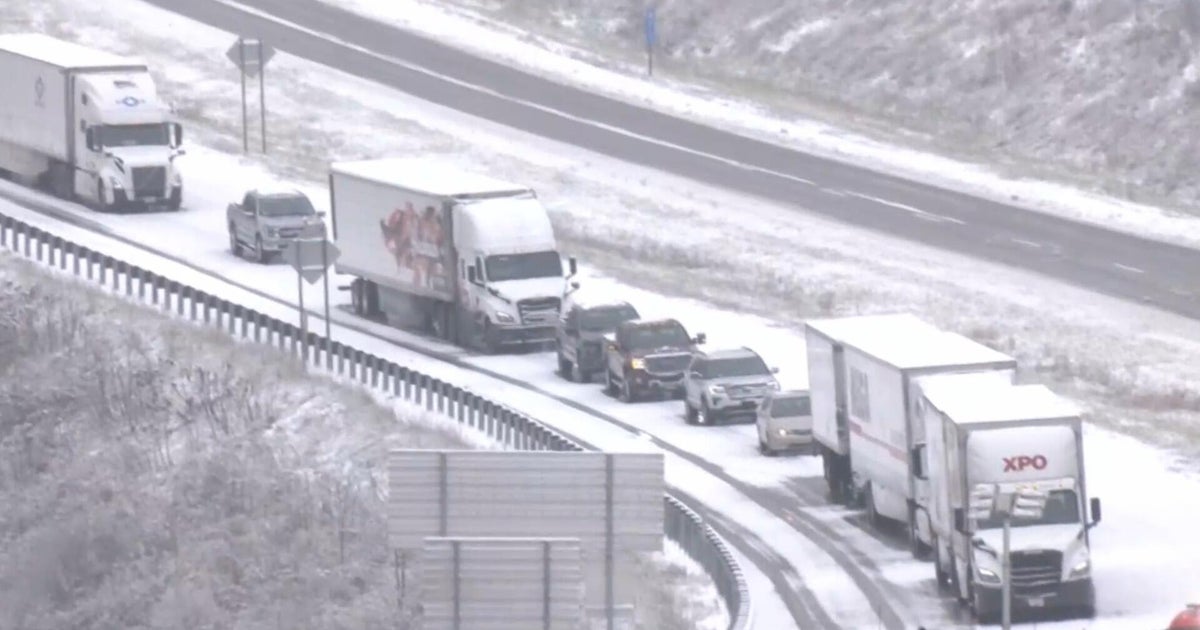
A strong winter system will affect more than 18 million people across the West and Midwest, with mountain peaks in the Northern Rockies receiving up to a foot or more, 4–6 inches (locally higher) across the Northern Plains and Upper Midwest, 2–5 inches in Chicago, and subzero lows expected in the Dakotas and Minnesota; a separate Pacific storm series will bring heavy rain and flash-flood risk to western Washington and Oregon over the next 5–10 days. Expect near-term regional travel and logistics disruption, potential localized energy demand spikes from bitter cold, and flood- and snow-related infrastructure risk that could affect utilities, transport operators and insurers.
Market structure: Short-term winners are natural‑gas producers, propane distributors, snow‑removal contractors and heavy‑equipment OEMs as heating load and remediation demand spike; losers are regional airlines, trucking/rail logistics and Pacific NW port operations where flood risk and saturated soils compress throughput. Expect 1–4 week natural gas Henry Hub volatility to rise 15–30% if subzero persists in Plains/Midwest; power forwards for MISO/PJM could widen spreads 10–20% intraday with outage risk. Cross‑asset: modest bid for energy equities and commodity volatility, transient spread widening in munis for snow‑heavy counties and small upward pressure on short‑dated bill yields as state cash flows absorb emergency spend.
Risk assessment: Tail risks include sustained multi‑week grid outages causing forced curtailments and insurance losses (>USD 1bn in a region), or supply chain chokepoints at Seattle/Tacoma disrupting inventory flows into Q1 — low probability (<10%) but high impact. Immediate (0–7 days): travel/logistics hits and spot gas spikes; short (2–8 weeks): inventory drawdowns, propane distribution stress; long (>3 months): capex and muni budget hit but potential reallocation to resilience. Hidden dependencies: propane trucking bottlenecks, municipal overtime budgets, and storage levels for gas/propane that can amplify price moves.
Trade implications: Favor short‑dated long energy exposure (physical/futures/producer equities) and short transportation incumbents or buy puts on airlines for 1–4 week plays. Use options to define risk: buy call spreads on UNG or EQT and buy near‑term puts on AAL/UAL; consider pairs (propane distributor long vs trucker short) to neutralize beta. Time trades early (within 48 hours) before forecasts fully price in precipitation and cold.
Contrarian angles: Markets may over‑penalize airlines and rails for a 72–96 hour disruption — avoid large outright shorts beyond 2 weeks; conversely propane distribution fundamentals are underpriced because logistics—not commodity—will set realized shortages, creating >20% upside in specialist distributors. Historical parallels (2013/2014 cold snaps) show nat‑gas spikes that reverted in 6–10 weeks, so prefer defined‑risk option structures rather than uncovered directional exposure.
AI-powered research, real-time alerts, and portfolio analytics for institutional investors.
Request DemoOverall Sentiment
mildly negative
Sentiment Score
-0.15
