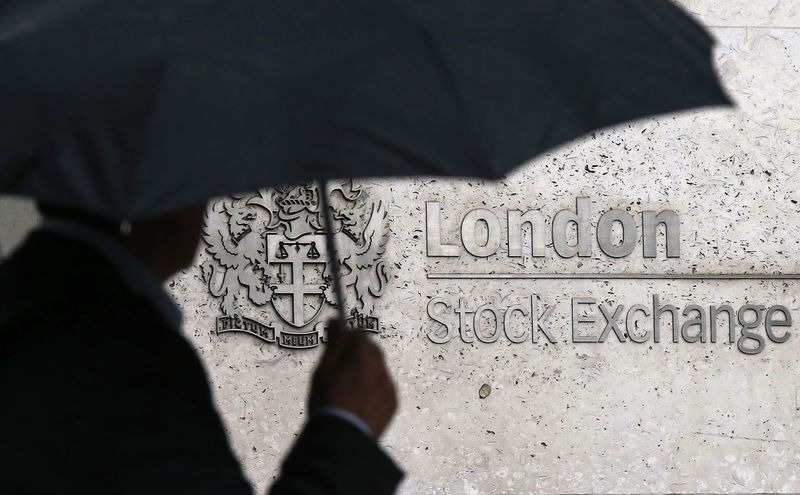
Geopolitical tensions escalated after the U.S. said it had taken custody of an Iranian-flagged vessel near the Strait of Hormuz, while Trump warned of further military escalation if Tehran rejects a deal. Oil prices rebounded sharply on renewed fears of shipping disruptions through the Strait, pressuring European equities; the FTSE 100 fell 0.4%, the DAX 1.1% and the CAC 40 1%. UK company updates were mixed, with M&C Saatchi cutting its final dividend and warning Middle East conflict will hit 2026 sport and entertainment demand, while Renishaw raised FY26 guidance and Plus500 reported its strongest quarterly performance in over five years.
The immediate market move is less about the single vessel and more about the return of a volatility regime in which energy risk becomes a macro tax on every non-energy asset. If shipping insurance, tanker routing, or naval escort costs reprice higher even modestly, the first-order winner is crude, but the second-order losers are European cyclicals, UK import-sensitive retailers, and any business with thin gross margins and no pricing power. The fastest transmission channel is via inflation expectations: a sustained oil spike can delay rate cuts and mechanically compress equity multiples, which is why the selloff broadens well beyond airlines and shippers. The more interesting second-order effect is on positioning. A geopolitical headline that hits when investors are leaning into a soft-landing / lower-rates narrative tends to force systematic de-risking: vol-target funds cut exposure, CTA trends can flip on a breakout in oil and a breakdown in global equities, and crowded quality/growth baskets underperform even if earnings estimates are unchanged. That creates a window where the market can overshoot fundamentals for 3-10 trading days before dispersion reasserts itself. On single names, the consumer and media exposures tied to Middle East discretionary demand are vulnerable to a longer reset than the market is likely pricing, because customers do not need a formal embargo to pause spending. By contrast, broker/CFD platforms and names with elevated trading activity can benefit from the spike in day-trader engagement and volatility monetization, but that upside is usually front-loaded and fades if the headline arc stabilizes. Corporate actions in this tape also matter: companies buying back stock into a geopolitical drawdown get a better ROIC on repurchases than those preserving dividends, so capital allocation quality should outperform in this environment. The contrarian view is that the move may be too linear if the market assumes every Hormuz headline becomes a sustained supply shock. Historically, the bigger risk premium comes from uncertainty around escalation, not from physical barrels missing immediately; if diplomacy resumes or the incident is contained, crude can give back a meaningful fraction of the spike quickly, leaving defensives and energy longs crowded. The best entry points are therefore either on confirmation that logistics are actually impaired, or on a second-day equity flush that offers better asymmetry than chasing the initial move.
AI-powered research, real-time alerts, and portfolio analytics for institutional investors.
Request DemoOverall Sentiment
strongly negative
Sentiment Score
-0.62
