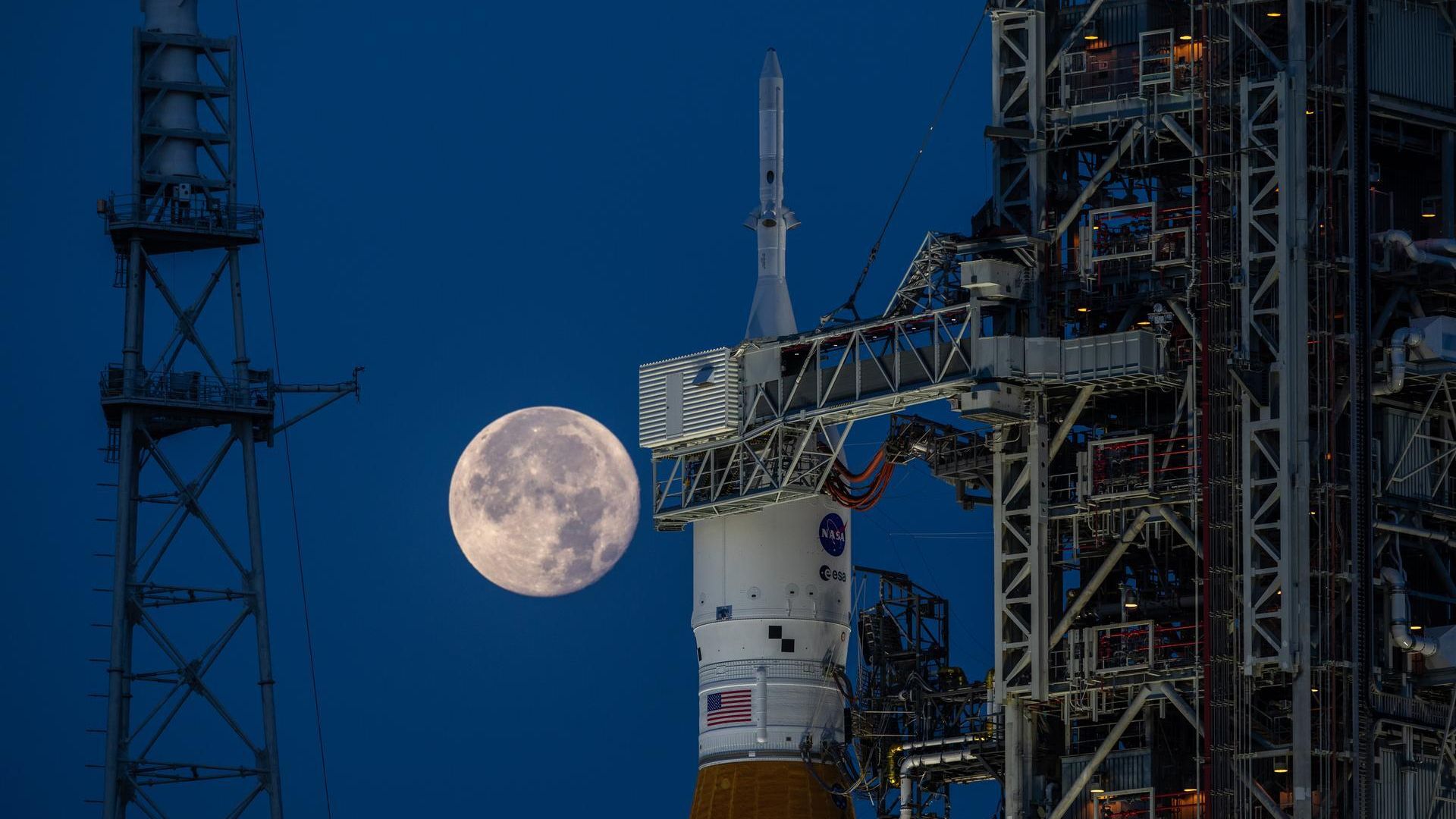
NASA is preparing to launch Artemis 2, the first crewed Artemis mission, with a possible liftoff window opening Feb. 6 and a 10-day free-return lunar flight carrying Reid Wiseman, Victor Glover, Christina Koch and Jeremy Hansen aboard Orion atop the SLS. The program — which has cost nearly $50 billion since 2006 and carries an estimated ~$4 billion per-launch SLS price tag — is proceeding after fixes to Artemis 1 heatshield damage, but schedule risk remains as Artemis 3 depends on SpaceX Starship development (targeted for 2027, likely 2028) and potential reopening of the Human Landing Services contract. Operational milestones this month include rollout from the Vehicle Assembly Building, pad integration and a wet dress rehearsal; delays or further technical issues could affect contractors and commercial partners tied to the lunar program.
Market structure: A near-term Artemis 2 launch is a revenue/event catalyst for legacy primes that build SLS/Orion (Lockheed Martin LMT, Northrop Grumman NOC, Boeing BA, RTX). SLS’s ~$4B-per-launch price tag creates captive near-term cashflow for suppliers but limited scale — if Starship proves reliable, pricing power and future share will shift toward commercial providers, compressing long-run margins for SLS-dependent suppliers. In markets, expect idiosyncratic equity moves and short-term spikes in implied volatility for aerospace names around rollout/wet dress rehearsals; macro impact on Treasuries/FX/commodities is negligible unless program scope expands materially (>+$5–10B incremental appropriations).
Risk assessment: Tail risks include catastrophic failure (1–5% crash probability around launch) that could trigger political reviews, contract reopenings and budget reallocation within 3–18 months; alternatively, clean success reduces political pressure to pivot to commercial landers. Hidden dependency: Artemis 3 timing is tightly coupled to Starship maturity — a 12–24 month slip materially reallocates NASA spending and winners. Key catalysts: rollout (days), wet dress rehearsal (weeks), launch window opening Feb 6 (immediate), and any HLS contract decisions over next 6–18 months.
Trade implications: Favor defensive prime exposure while hedging binary program risk. Tactical plays (below) use ~1–2% position sizing, 12–18 month options to capture multi-quarter bid, and short/put protection on BA given execution risk. Rotate +300 bps into defense/industrial exposure funded by trimming commercial aerospace/airline cyclicals; enter prior to rollout and scale out 30–90 days after mission success, or cut immediately on >30‑day scrub or technical anomaly.
Contrarian angles: Consensus underestimates political backlash: a high‑profile success could paradoxically accelerate calls to abandon SLS for cheaper commercial solutions, pressuring primes over 2–5 years. Historical parallel: Shuttle-era contractors saw steady revenue but lost pricing competitiveness as commercial launch matured. Therefore prefer medium-term optionality (LEAPS or small caps with commercial-launch exposure) over large outright long positions in single SLS-dependent names.
AI-powered research, real-time alerts, and portfolio analytics for institutional investors.
Request DemoOverall Sentiment
mildly positive
Sentiment Score
0.25
