
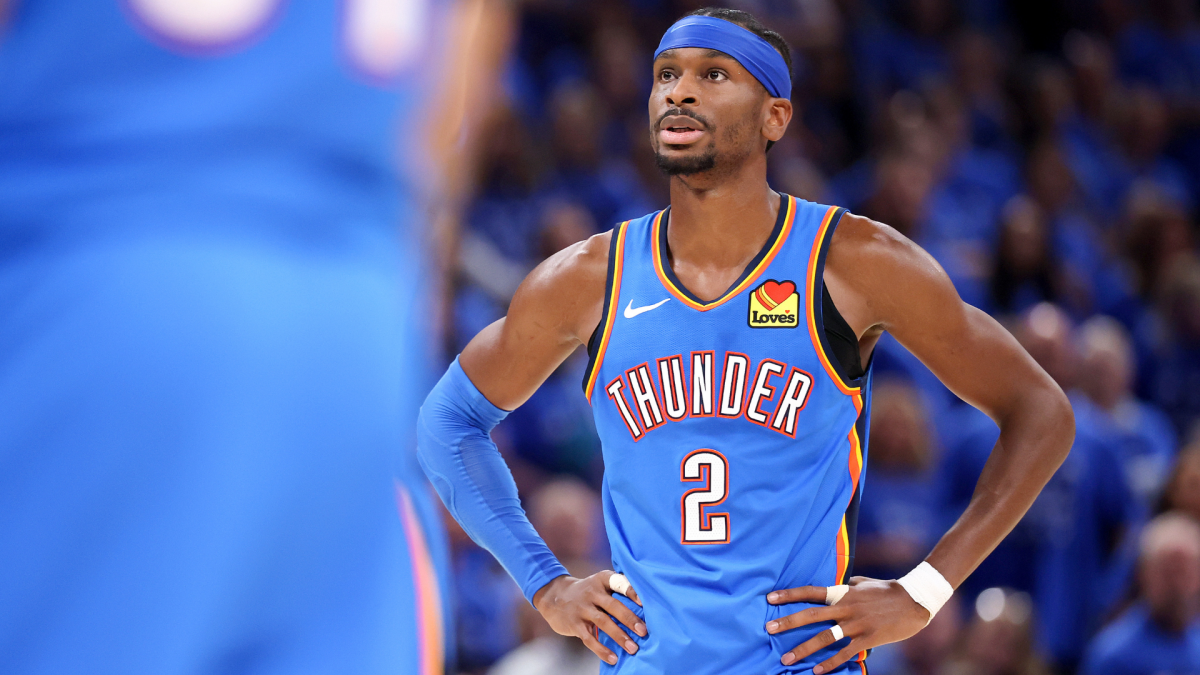
Oklahoma City is projected to be about $39 million above the NBA's second apron next season when including its two first-round picks, forcing likely roster cuts and/or contract restructurings. The article flags Lu Dort, Isaiah Joe, Aaron Wiggins and possibly even rotation core pieces as trade or salary-dump candidates, while Isaiah Hartenstein is expected to be retained on a new deal. The piece is a forward-looking roster and payroll analysis rather than an earnings event, so the market impact is limited.
The market implication is less about one team’s cap sheet and more about a coming premium on cheap, high-utility role players across the league. When a contender is forced to shed multiple rotation pieces, the marginal value of mid-tier contracts rises sharply: clubs with cap space or trade exceptions can acquire playoff-caliber minutes at below-market prices, while teams already in the tax lose optionality and depth. That should favor teams positioned to absorb unwanted salary and amplify the relative value of picks on rookie-scale deals over veteran extensions.
The deeper second-order effect is that this roster will likely generate a series of asymmetric, low-drama trades rather than one blockbuster. That means the pressure point is not the superstar core in the near term but the bench layer and the future draft liquidity; any team trying to buy multiple cheap contributors will need to overpay in draft capital because Oklahoma City’s internal replacement pipeline is unusually strong. In practical terms, the Thunder are acting like a private equity fund with a hard distribution policy: they can keep cycling assets, but only if they avoid locking in too much long-duration salary before the next CBA reset.
The contrarian view is that the market may be overestimating the urgency of a “forced” star trade. The most valuable move could still be a series of smaller resets that preserve the title window while delaying punitive tax regimes by 12-24 months. If the next CBA is materially softer than expected, staying flexible through 2026-27 is more valuable than rushing into a premium trade now; the real risk is not missing this season, but entering the new CBA with too little optionality.
AI-powered research, real-time alerts, and portfolio analytics for institutional investors.
Request TrialOverall Sentiment
mildly negative
Sentiment Score
-0.15
Ticker Sentiment
