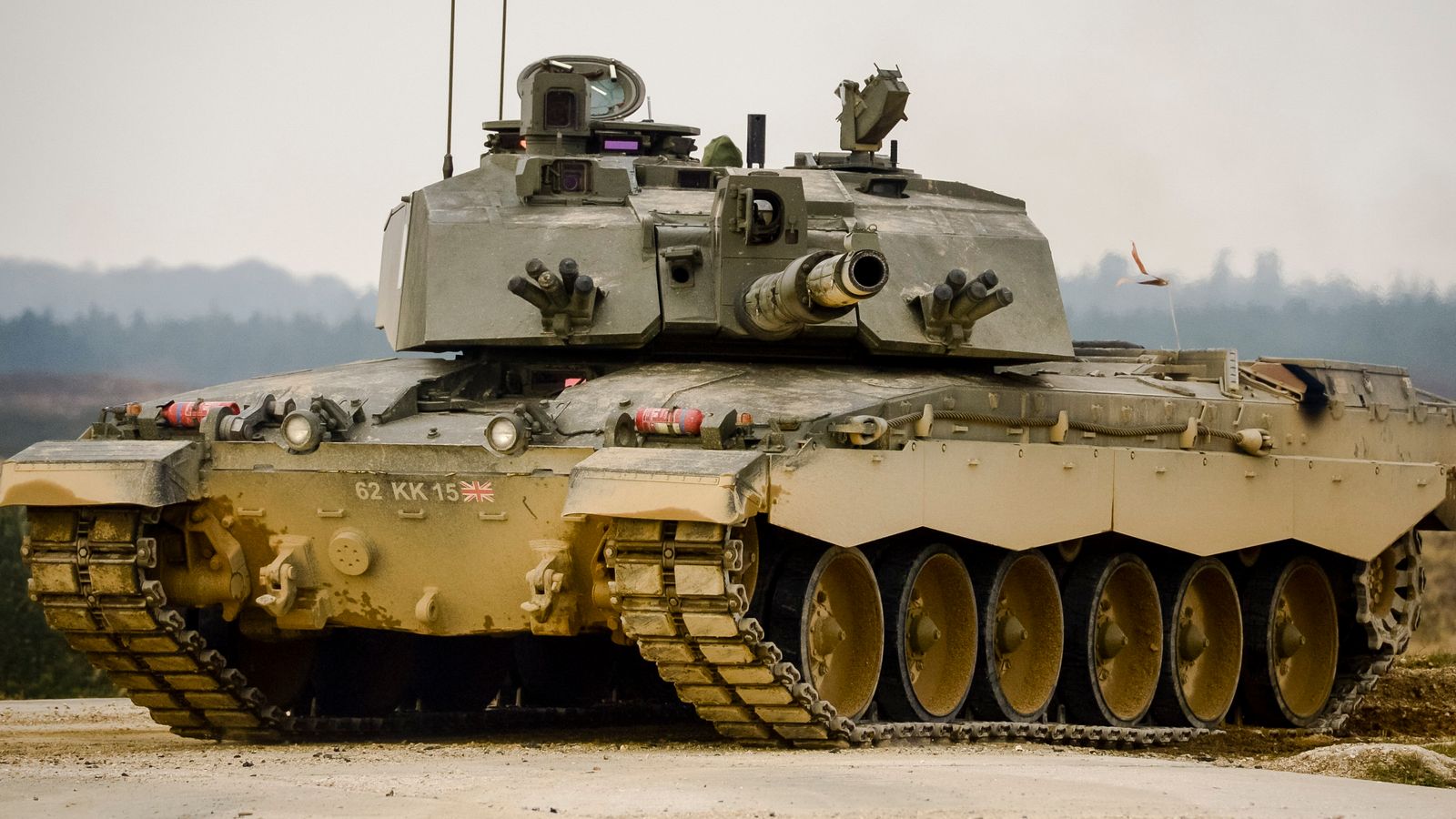
The UK government is expected to increase defense spending to 3.5% of GDP by 2035, with a further 1.5% allocated to defense-related areas, potentially reaching a total of 5%. This shift aligns with NATO's push for increased military investment amid growing global threats and pressure from the US, particularly demands for greater burden-sharing within the alliance. The move signifies a major policy adjustment for the UK, requiring a rebalancing of priorities between defense and domestic welfare programs.
The United Kingdom is reportedly poised to significantly increase its defence expenditure, targeting 3.5% of Gross Domestic Product (GDP) for direct military spending by 2035, a substantial rise from the current 2.3%. This commitment, understood to be agreed upon this month, is part of a broader NATO initiative to bolster collective security and maintain alignment with the United States. Furthermore, an additional 1.5% of GDP is anticipated to be allocated to defence-related areas such as intelligence agencies and critical infrastructure, potentially bringing total broader defence investment to 5% of GDP. This aligns with a proposal by NATO Secretary General Mark Rutte, dubbed the "Hague investment plan," which aims for all allies to adopt this 5% target. The move reflects considerable pressure within the alliance, with even historically more restrained spenders like Germany signaling intentions to increase investment. For Sir Keir Starmer's government, this represents a major policy shift, necessitating a challenging balance between heightened defence commitments and domestic welfare spending. The decision is framed as crucial for the UK to retain its leadership role within NATO, where it holds key command positions and contributes its nuclear deterrent. The provided sentiment score of -0.35 (moderately negative) and an "uncertain" tone highlight potential concerns regarding the fiscal implications and the difficult trade-offs involved in such a substantial long-term financial commitment amidst evolving geopolitical threats from Russia, Iran, North Korea, and challenges posed by China.
AI-powered research, real-time alerts, and portfolio analytics for institutional investors.
Overall Sentiment
moderately negative
Sentiment Score
-0.35
