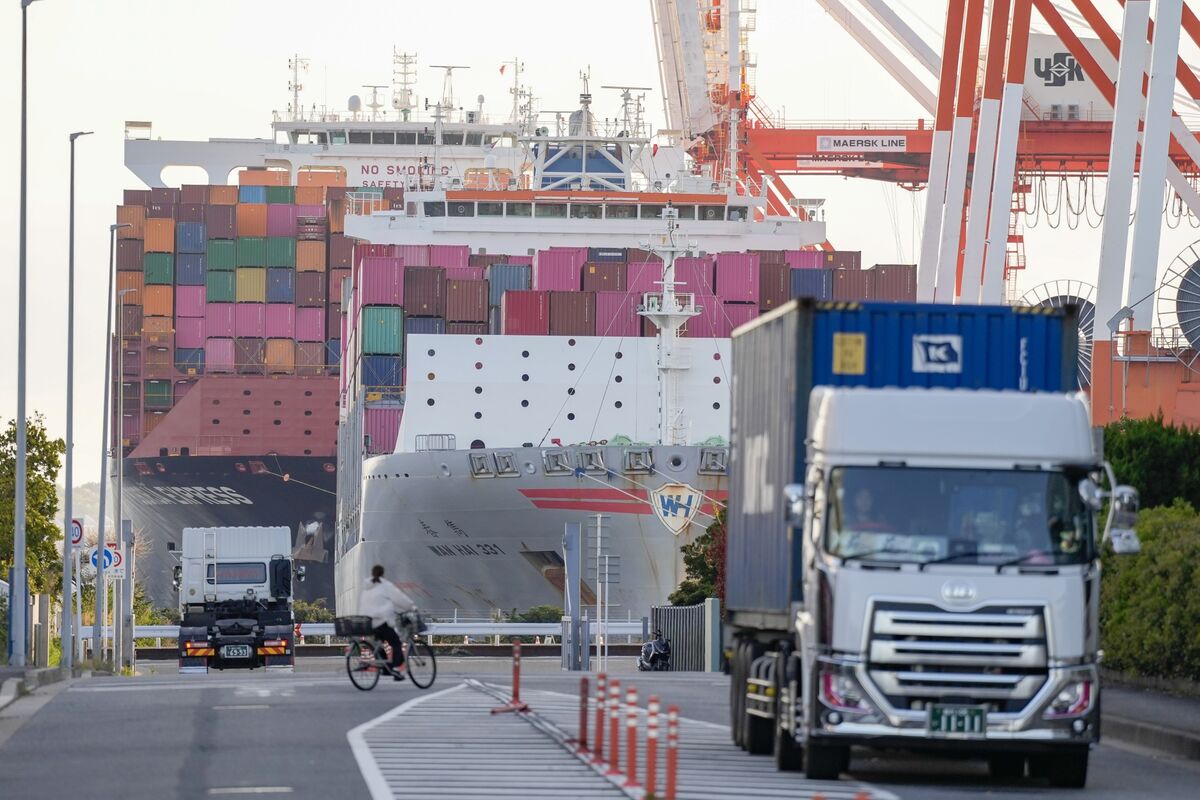
With 45 days remaining in President Trump's 90-day tariff freeze, uncertainty persists for businesses, consumers, and governments. Trump has indicated that deals may not be reached with all 150 countries seeking them by the July deadline, and Treasury Secretary Bessent stated that countries not negotiating in good faith will receive a letter specifying their tariff rate.
The impending conclusion of President Trump's 90-day tariff freeze, with approximately 45 days remaining until the July deadline, is generating considerable uncertainty for businesses, consumers, and governments. President Trump's indication that deals may not be finalized with all 150 countries involved in negotiations, combined with Treasury Secretary Scott Bessent's assertion that nations not negotiating in good faith will be assigned specific tariff rates, points to a high probability of new tariffs being implemented. This environment is reflected in a 'moderately negative' sentiment score of -0.55 and an 'uncertain' overall tone, with a market impact score of 0.6 suggesting moderate market sensitivity to these trade policy developments. The situation directly impacts themes of 'Tax & Tariffs,' 'Trade Policy & Supply Chain,' and 'Geopolitics & War,' highlighting the broad economic and strategic implications.
AI-powered research, real-time alerts, and portfolio analytics for institutional investors.
Request DemoOverall Sentiment
moderately negative
Sentiment Score
-0.55
