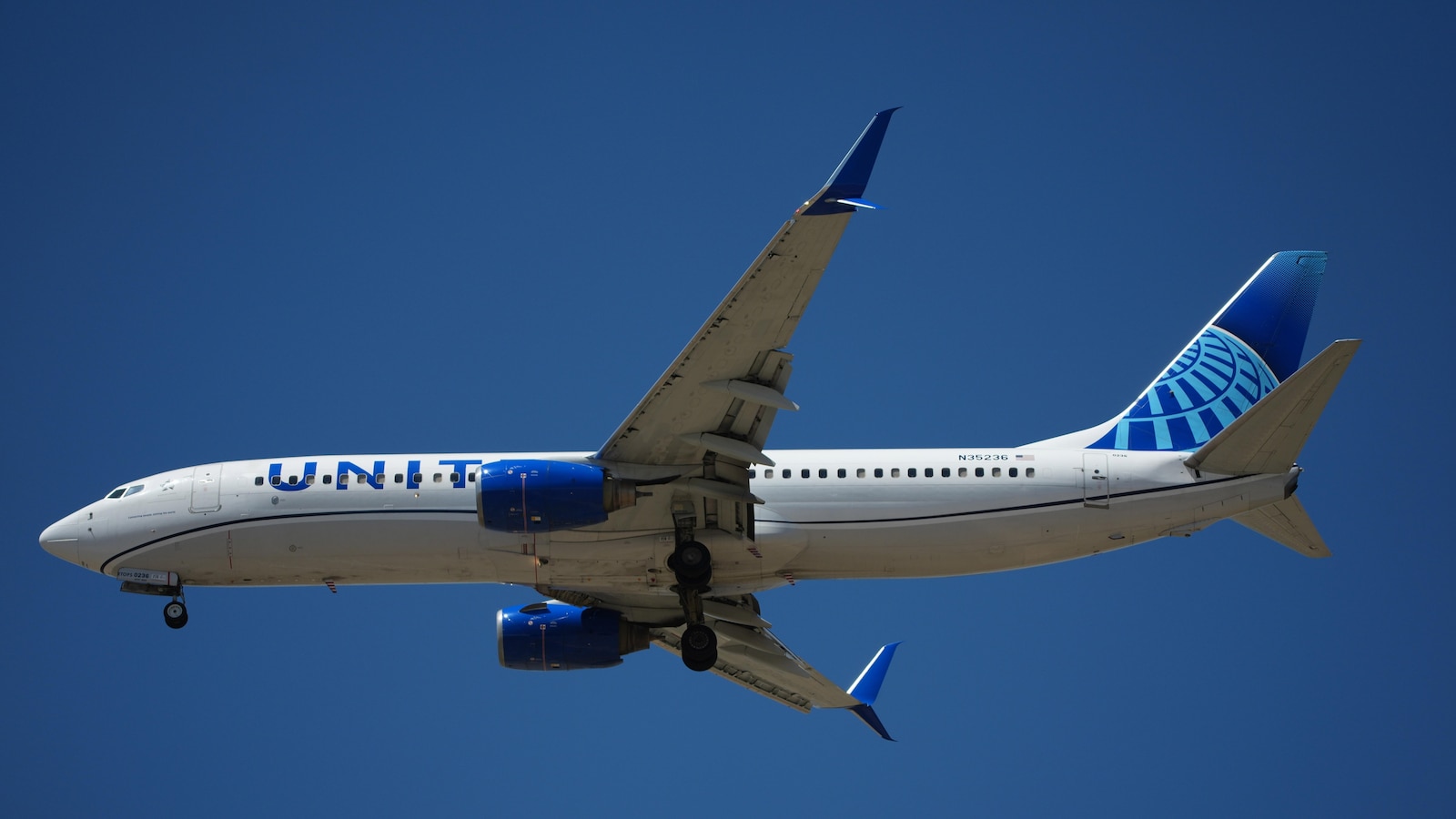
United flight attendants ratified a new five-year contract covering nearly 30,000 workers, delivering an average 31% pay increase this summer, boarding pay worth an additional 7% to 8% on average, and $741 million in retroactive pay. The agreement also adds job-security improvements, pay for long delays, higher retirement contributions, and 10 weeks of paid parental leave. The deal should modestly improve labor relations and set a benchmark for the airline industry, though it is unlikely to materially move United shares on its own.
This is a modest positive for UAL’s labor franchise but not a clean earnings upgrade. The key second-order effect is that the agreement reduces execution risk around one of the highest-leverage cost buckets in the airline model: labor stability matters more than the headline pay step-up because it lowers the probability of slowdowns, absenteeism, and grievance-driven operational friction that can impair completion factor and misconnect rates for quarters at a time.
The bigger read-through is competitive compression, not absolute margin expansion. Boarding pay now appears to be a structural industry feature, which means the cost gap between legacy carriers narrows and the advantage shifts toward airlines with better revenue quality, premium mix, and network strength. That tends to favor UAL more than AAL, because UAL is better positioned to pass through incremental labor costs via corporate and international pricing, while weaker peers face more pressure to absorb similar concessions without equivalent yield power.
For DAL and AAL, this is an incremental wage inflation signal rather than a one-off United event. If the industry uses this deal as the new bargaining anchor, the next negotiation cycles could force additional retroactive and work-rule concessions, especially on delay pay and reserve scheduling, which can quietly raise unit labor costs beyond the stated wage increase. AC.TO gets a lighter but still relevant read-through: the Canadian precedent strengthens flight-attendant bargaining leverage across North America.
The contrarian angle is that consensus may be overestimating near-term margin pressure and underestimating the goodwill value of removing a labor overhang. If United can stabilize operations and reduce labor conflict, the cash cost of the deal may be partly offset by better utilization and less disruption, so the market may end up rewarding the headline settle rather than penalizing it. The risk is that the negotiated benchmark accelerates a broader wage reset across airlines into the next 6-12 months, which would matter more than this single contract alone.
AI-powered research, real-time alerts, and portfolio analytics for institutional investors.
Request DemoOverall Sentiment
mildly positive
Sentiment Score
0.35
Ticker Sentiment
