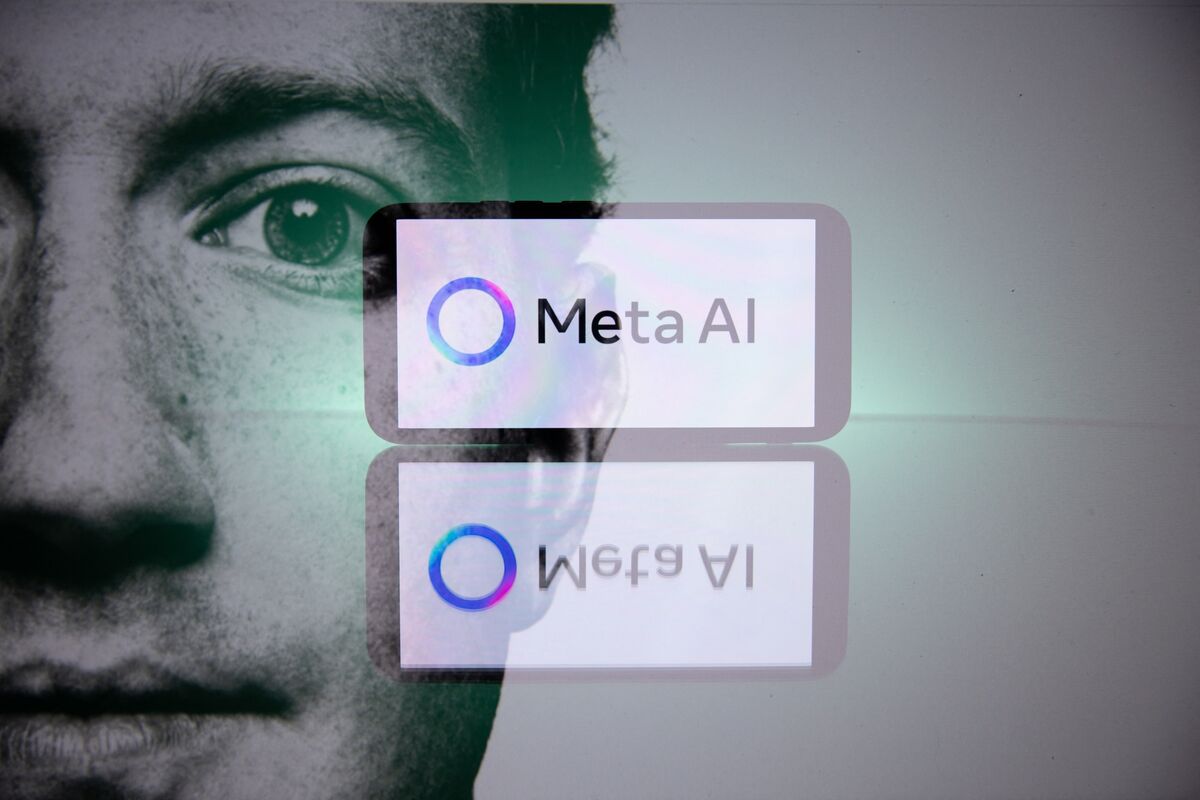
Meta Platforms is anticipated to pivot its AI strategy from its current open-source Llama model towards monetization, driven by its substantial $65 billion annual investment in AI infrastructure and talent. This shift, akin to its eventual monetization of WhatsApp, reflects CEO Mark Zuckerberg's long-term approach to generating returns on significant capital outlays, signaling an end to Meta's free AI distribution.
Meta Platforms is signaling a potential strategic pivot from its current open-source AI model, Llama, towards a monetization framework. This anticipated shift is contextualized by the company's substantial capital commitment, including a $65 billion investment in AI infrastructure and talent acquisition for the current year. The move would mirror CEO Mark Zuckerberg's historical long-term approach to asset monetization, as seen with the decade-long path to advertising on WhatsApp following its $19 billion acquisition. While Meta's official rationale for its open-source strategy is to democratize AI, the sheer scale of the investment has created uncertainty among investors regarding the path to generating a return. A transition to a commercial model for its AI technologies would address these concerns and provide Wall Street with a clearer roadmap for future revenue streams, distinguishing its strategy from competitors like Alphabet's Google and OpenAI, which have largely pursued closed, commercial AI models from the outset.
AI-powered research, real-time alerts, and portfolio analytics for institutional investors.
Request DemoOverall Sentiment
moderately positive
Sentiment Score
0.40
Ticker Sentiment
