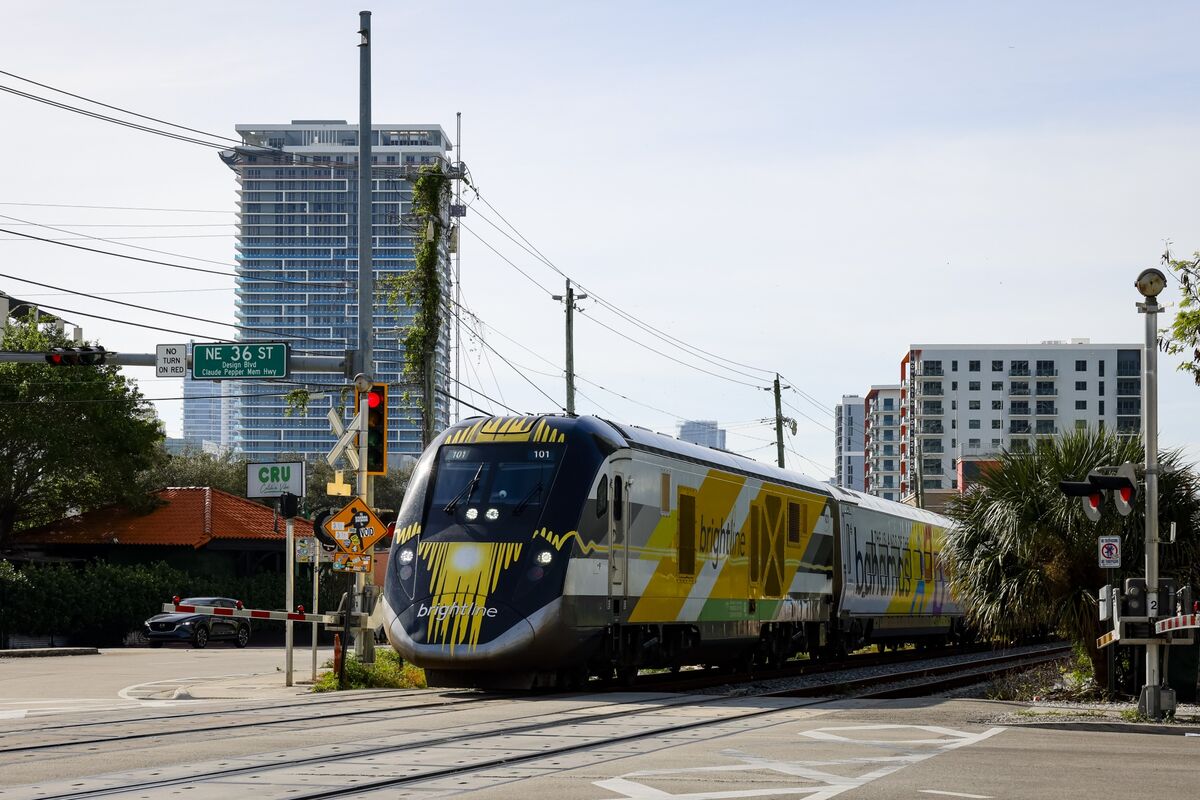
Brightline’s $6 billion Florida rail line is increasingly viewed as a potential major municipal-bond restructuring, with debt investors circling the project. The article highlights growing distress around Wes Edens’ private railroad and compares the situation to large restructurings such as Puerto Rico and Detroit. It signals meaningful credit risk for holders of the rail-related debt, though the broader market impact is likely limited to the muni and infrastructure credit space.
The real market signal is not the rail asset itself but the precedent risk for private infrastructure financings wrapped in quasi-municipal assumptions. If this becomes a disorderly restructuring, the next wave of pressure is likely in other long-duration, leverage-heavy projects that relied on optimistic ridership, sponsor support, or political tolerance rather than hard asset coverage. That means creditors will start demanding wider spreads and tighter covenants across transport-adjacent project debt, especially where cash flows are dependent on discretionary consumer demand and expensive maintenance capex.
Second-order damage should show up first in refinancing markets, not operating competitors. Banks and private credit funds with exposure to toll roads, airports, and rail concessions may face mark-to-market pain as investors reprice recovery assumptions and extend-and-pretend strategies lose credibility. Any operator with expansion plans funded by incremental debt will likely see cost of capital rise 100-300 bps over the next few quarters, which can force project delays and reduce construction demand for rolling stock, signaling equipment, and station development.
The most important catalyst is whether a consensual solution emerges before maturity walls force a legal reset. A messy process over the next 3-9 months would likely crystallize losses and tighten financing conditions for the broader infrastructure complex; a structured rescue could temporarily relieve spreads but still leave the asset class with a lasting higher-risk premium. The contrarian view is that the market may be overestimating contagion: this is a highly idiosyncratic leverage case, and if sponsor capital is injected early enough, broader muni-credit stress could remain contained.
For equity investors, the tradeable angle is less about rail and more about relative winners from capital scarcity. If project finance tightens, incumbents with internal cash generation and low leverage should gain share from privately funded challengers that need perpetual refinancing. That favors established industrials and transport suppliers with strong balance sheets versus speculative infrastructure developers, while credit hedges can monetize a widening in stressed transport debt spreads if restructuring headlines intensify.
AI-powered research, real-time alerts, and portfolio analytics for institutional investors.
Request DemoOverall Sentiment
strongly negative
Sentiment Score
-0.75
