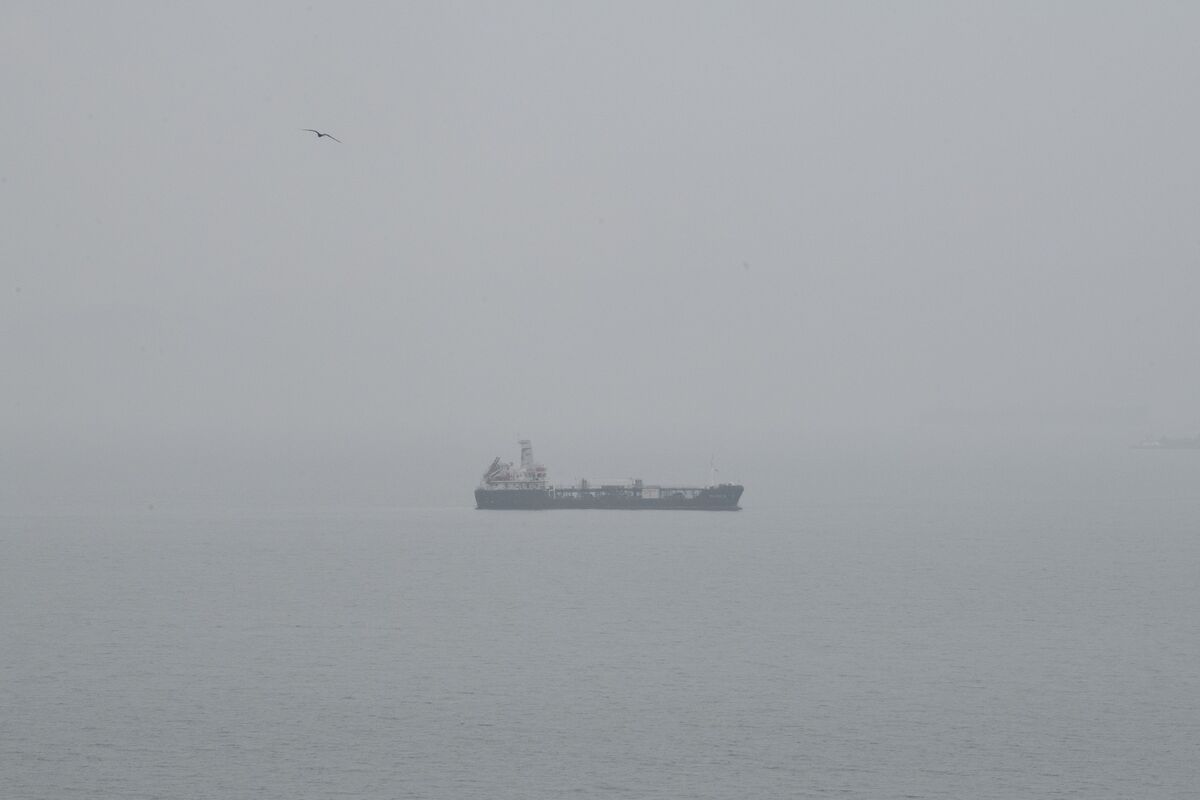
Russian seaborne crude shipments have approached a 16-month high, averaging 3.57 million barrels a day up to October 5, as Ukrainian drone strikes on refineries force the diversion of crude supplies to export terminals. This surge in exports, coinciding with reduced domestic refinery runs, is pushing Russia's effective crude export capacity to its limits.
Russian Oil Flows Pushed to the Limit as Drone Strikes Take Toll Surge in crude shipments coincides with a slump in Russian refinery runs Russia’s seaborne crude shipments held close to a 16-month high in the past four weeks, as Ukrainian drone strikes on refineries force the diversion of supplies to export terminals and strain their effective capacity. Four-week average shipments from the country’s ports were 3.57 million barrels a day up to Oct. 5, according to vessel-tracking data compiled by Bloomberg, about 80,000 barrels a day below the highest since May 2024. The average provides a clearer picture of underlying trends than more volatile weekly figures. Russian seaborne crude exports have reached near a 16-month peak, averaging 3.57 million barrels per day through October 5. This figure is only 80,000 barrels per day shy of the highest level recorded since May 2024, indicating significant outbound flow. This surge is directly attributed to Ukrainian drone attacks disrupting domestic refinery operations. The drone strikes are compelling Russia to divert crude supplies from its impaired refineries to export terminals, thereby pushing the nation's effective crude export capacity to its operational limits. This redirection of crude coincides with a noticeable slump in Russia's internal refinery runs, highlighting a shift from domestic processing to international sales. The moderately negative sentiment (-0.5) reflects the operational challenges and geopolitical instability for Russia. This situation introduces supply-side constraints, as Russia's ability to process crude internally is diminished while its export infrastructure is strained. The market impact score of 0.55 suggests a potentially bullish signal for global crude prices due to reduced processing capacity and maximized exports from a major producer, despite the underlying geopolitical risks. This dynamic underscores increased volatility in energy markets and commodities.
AI-powered research, real-time alerts, and portfolio analytics for institutional investors.
Request DemoOverall Sentiment
moderately negative
Sentiment Score
-0.50
