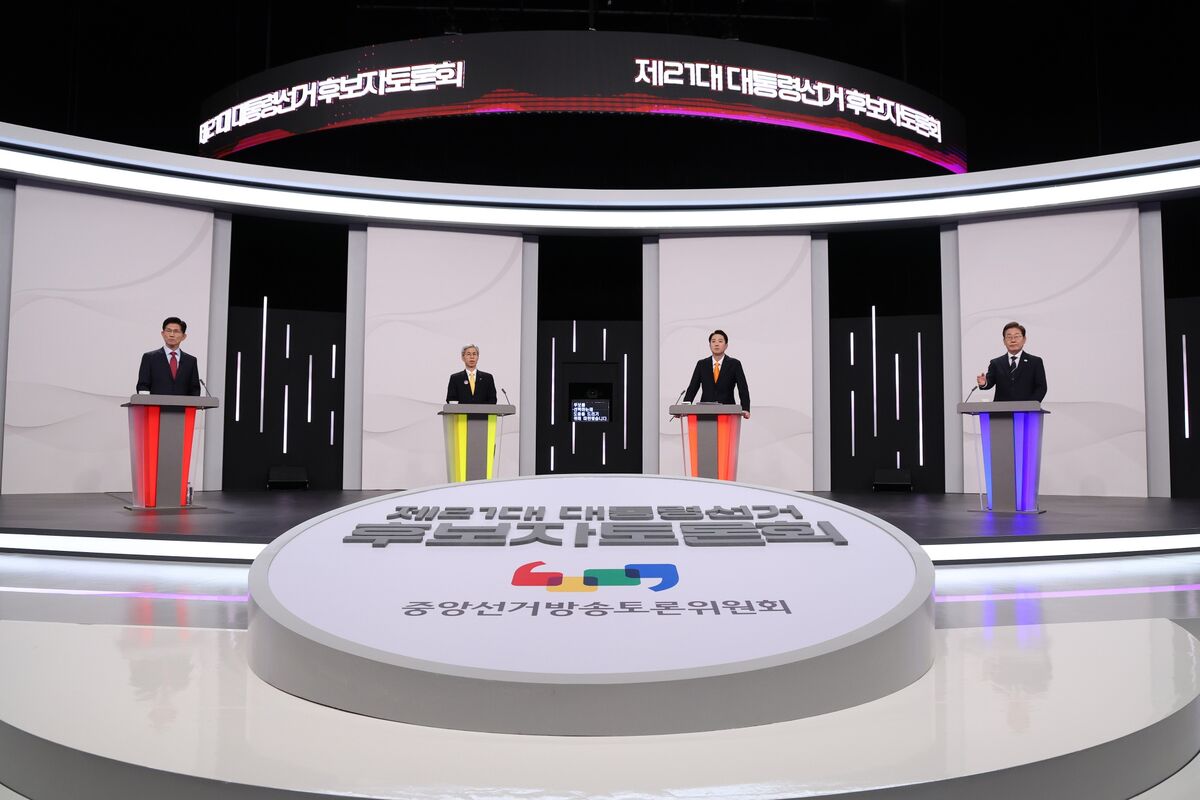
A recent Gallup Korea poll indicates a tightening of the South Korean presidential race, with Democratic Party nominee Lee Jae-myung's support falling 6 percentage points to 45% between May 20-22. Simultaneously, support for People Power Party's Kim Moon-soo rose by 7 percentage points to 36%, following the first televised debate, signaling increased uncertainty in the election outcome.
The South Korean presidential election landscape has experienced a notable shift, with the race tightening significantly according to a recent Gallup Korea poll conducted between May 20-22. Democratic Party nominee Lee Jae-myung's support has declined by 6 percentage points to 45%, while his opponent, Kim Moon-soo of the People Power Party, saw his backing increase by 7 percentage points to 36%. This change in public sentiment, occurring subsequent to the first televised debate between the candidates, suggests a more competitive election dynamic and introduces a greater degree of uncertainty regarding the outcome. While the provided signals indicate a neutral sentiment and a low immediate market impact score (0.1), heightened political uncertainty in a key Asian economy warrants attention from investors, as election outcomes can lead to policy recalibrations affecting various sectors.
AI-powered research, real-time alerts, and portfolio analytics for institutional investors.
Request DemoOverall Sentiment
neutral
Sentiment Score
0.00
