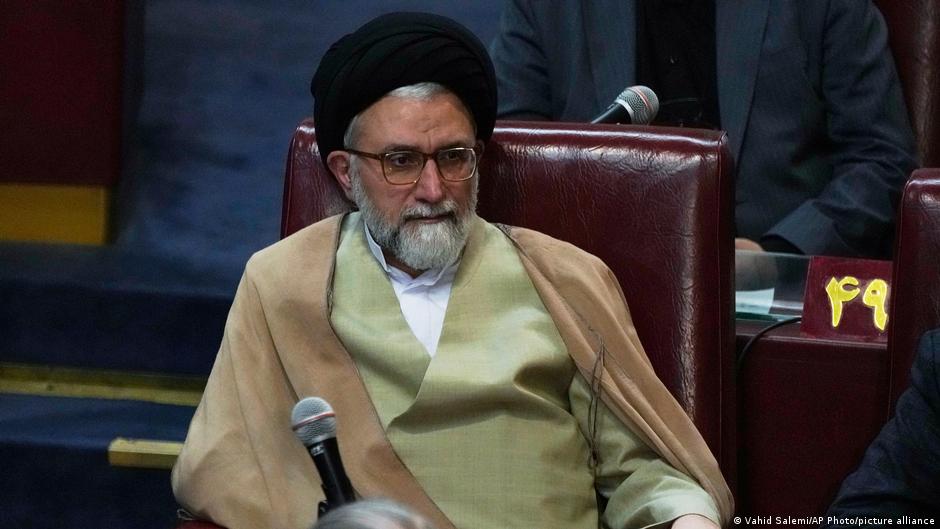
Key event: Iran's Intelligence Minister Esmaeil Khatib was killed by an airstrike, confirmed by Iran; Iran retaliated with multi‑warhead missiles at Israel and Israeli strikes on Beirut killed at least 12 people. The US reported use of 'bunker‑buster' bombs against Iranian missile sites along the Strait of Hormuz and facilities linked to the South Pars gas field were attacked, raising the risk of oil and gas supply disruption and upward pressure on energy prices. NATO and regional states are discussing measures to reopen/secure the Strait, elevating systemic risk and likely prompting risk‑off positioning across energy, shipping, and related markets.
The immediate market transmission is not the headline violence but the durable rise in physical and insurance frictions for Gulf hydrocarbon and LNG flows. Even intermittent strikes on shared-field infrastructure and threats to the Strait raise transaction costs (longer sailings, higher bunker burn, higher P&I and war-risk premiums) that act like a temporary capacity cut: think a multi-week effective reduction in deliverable cargoes to Asia at peak demand windows, which tightens spot spreads well ahead of canonical OPEC cuts. A less-obvious effect is accelerated depletion of advanced air‑defense and long‑range strike inventories among US and allied forces and their suppliers. High tempo usage forces emergency procurement, prioritizing suppliers with available production capacity and near-term spare‑parts pipelines. This will push incremental revenue to prime defense contractors over 6–24 months while creating political tailwinds for accelerated budgets, but it also concentrates execution risk in long lead‑time supply chains (precision electronics, specialty alloys). Macro/flow secondaries: higher energy and insurance-driven shipping costs feed through to refined product and fertilizer prices within 1–3 months, pressuring food-exporters and importers and widening policy trade-offs for consumer inflation. Reversals are binary and rapid — a negotiated opening of the Strait or a NATO-secured corridor would remove the premium quickly, compressing beneficiaries’ multiples. Monitor diplomatic tracks and spare-parts shipments as the highest-probability near-term catalysts for de-risking.
AI-powered research, real-time alerts, and portfolio analytics for institutional investors.
Overall Sentiment
strongly negative
Sentiment Score
-0.85
