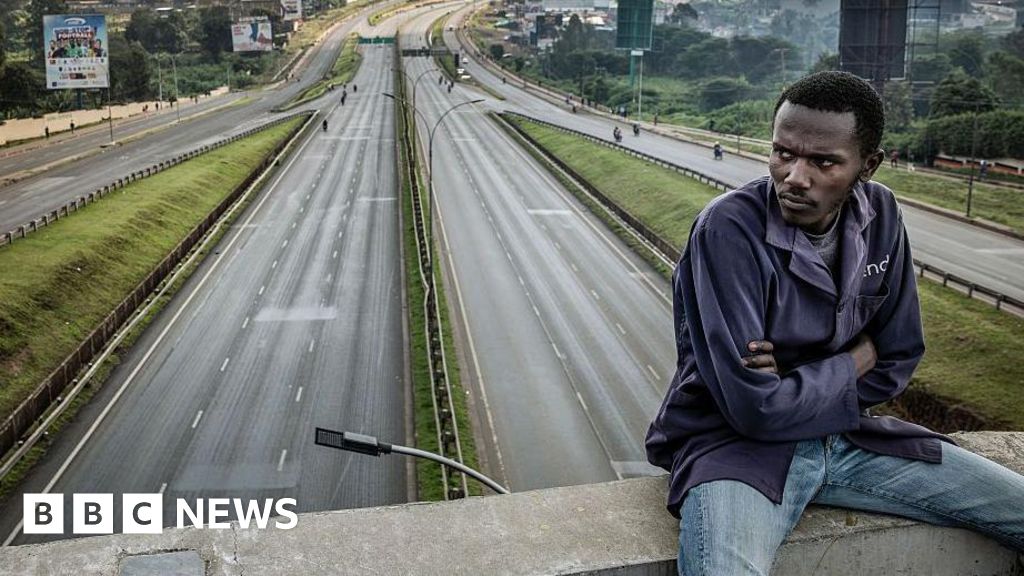
Kenya’s transport operators have suspended a nationwide strike until next Tuesday after talks with the government over fuel prices, easing a paralysis that shut roads, businesses, and schools in Nairobi. The dispute centers on diesel at 242 shillings per liter-equivalent and petrol at 214 shillings, with operators demanding cuts of up to 46 shillings and warning the strike could resume if talks fail. The unrest has already left at least 4 people dead, 30 injured, and more than 700 arrested, highlighting the economic and social strain from elevated fuel costs tied to Gulf supply disruptions.
The immediate market read is not about Kenyan transport equities, but about a fragile policy regime trying to suppress a cost-push inflation shock with partial, temporary relief. The suspension reduces the probability of a near-term hard shutdown, yet it also signals that pricing power has shifted to organized transport operators: any renewed strike would quickly transmit into food distribution, commuter access, and informal retail turnover, which are much larger economic channels than the headline fuel item itself.
The second-order issue is that the state has effectively validated protest-driven price intervention, which raises moral hazard for future fuel adjustments. That is bearish for fiscal credibility over the next 1-2 quarters because it makes further VAT or duty offsets more likely, especially if the government wants to avoid a repeat of urban paralysis. It also means the market should treat this as a rolling negotiation rather than a resolved event; the seven-day clock creates a binary catalyst window for renewed disruption.
The contrarian view is that the equity impact may be more muted than the social impact suggests: Kenya’s listed universe is thin, and public pressure could actually stabilize consumer demand faster than expected if fuel relief is extended. However, the real tradeable angle is FX and sovereign risk, not transport. If subsidies or tax cuts deepen the current account deficit while imported fuel remains expensive, the shilling can remain under pressure even if streets normalize, and that is the more durable transmission mechanism.
For regional comparables, this is a reminder that East African importers with exposed logistics costs can see margin compression even without direct Kenya revenue exposure. Freight-sensitive consumer names, distributors, and banks with SME lending to transport-linked borrowers are the channels where deterioration would show up first if the strike returns. The key catalyst is not the next protest day, but the next price announcement and whether authorities choose appeasement over pass-through.
AI-powered research, real-time alerts, and portfolio analytics for institutional investors.
Request DemoOverall Sentiment
moderately negative
Sentiment Score
-0.35
