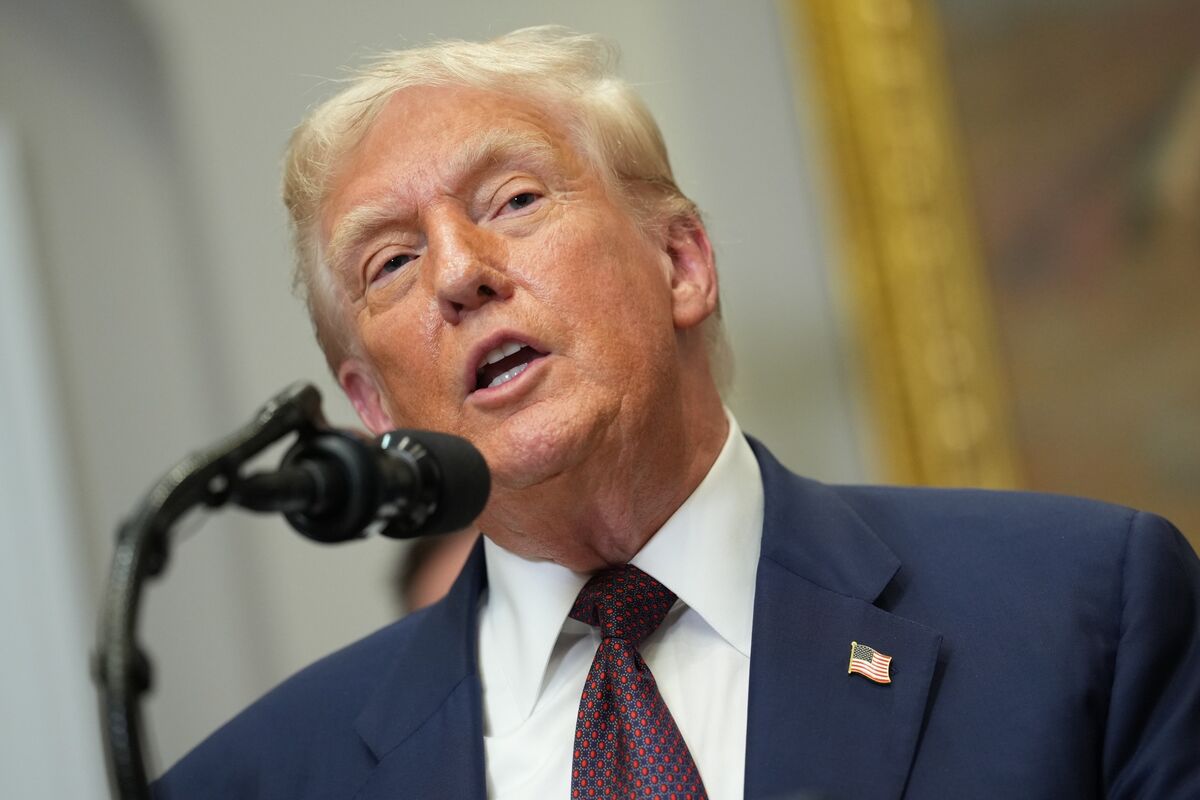
President Trump has threatened an additional 40% tariff on products identified as being transshipped through other countries, a measure primarily aimed at preventing Chinese goods from evading existing U.S. duties. This new punitive tariff is part of a broader White House announcement detailing global tariff rates ranging from 10% to 41%.
The proposal by the Trump administration to levy an additional 40% tariff on goods determined to be transshipped introduces a significant new layer of trade policy risk, primarily targeting Chinese exports evading existing duties. This punitive measure, part of a wider tariff framework with rates from 10% to 41%, signals a potential major escalation in protectionist trade strategy. The most critical aspect for markets is the current lack of specific details regarding implementation, enforcement, and the precise definition of "transshipment." This ambiguity, reflected in the associated high market impact score and uncertain tone, creates considerable unpredictability for companies with global supply chains. The policy threatens to disrupt established logistics networks, increase compliance burdens, and significantly raise costs for importers, thereby injecting volatility into sectors reliant on international trade.
AI-powered research, real-time alerts, and portfolio analytics for institutional investors.
Request DemoOverall Sentiment
strongly negative
Sentiment Score
-0.75
