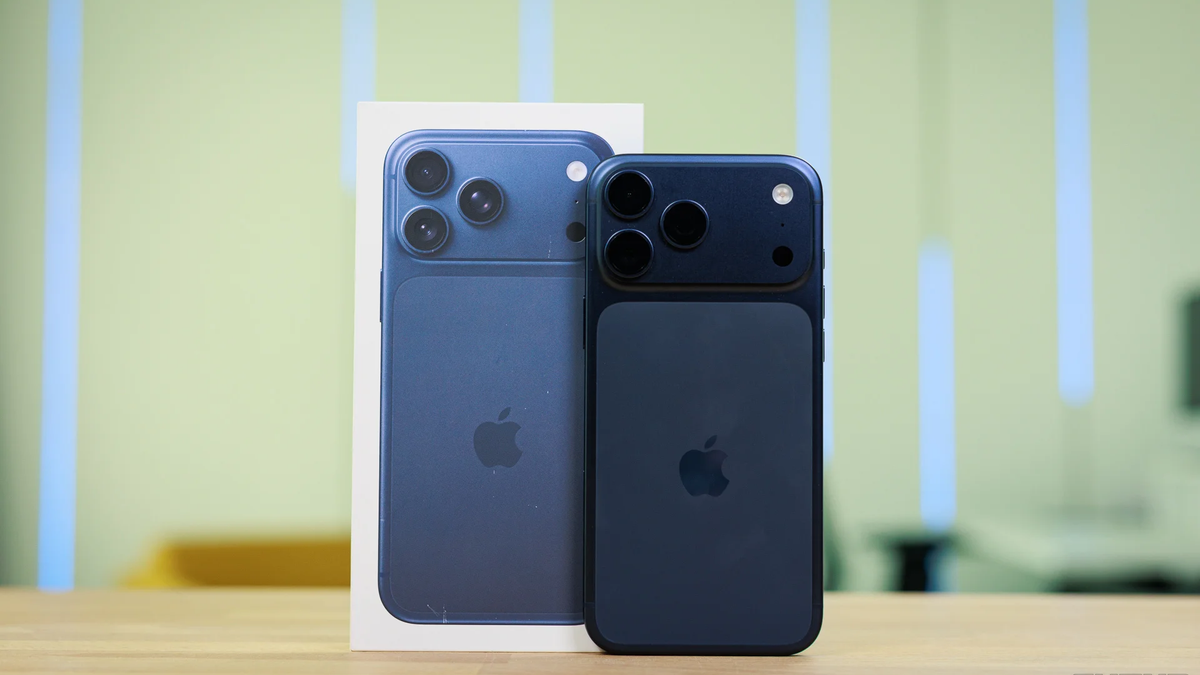
Analysts Ming‑Chi Kuo and Jeff Pu indicate Apple is likely to keep iPhone 18 Pro and Pro Max pricing flat versus the iPhone 17 series (e.g., iPhone 18 Pro Max 256GB anticipated at $1,199). Rising memory/component costs tied to AI demand have led competitors to increase prices (Samsung S26 base +$100; S26 Plus +$100; S26 Ultra 512GB +$80; S26 Ultra 1TB config +$140), but Apple may absorb costs or avoid a consumer price hike. Rumored hardware upgrades — a 2nm A20 Pro chip, variable aperture camera, smaller Dynamic Island — support a positive product case, though market impact is likely limited to company/sector-level moves rather than broad market disruption.
Apple’s ability to hold consumer prices in the face of rising component costs implies a deliberate tradeoff between unit margins, product mix and services revenue — the implicit lever is shifting profitability into the after-sale ecosystem (services, accessories, carrier financing) and squeezing manufacturing/supply-chain partners to protect consumer demand. That mechanism benefits contract fabs, advanced packaging vendors and premium memory suppliers that capture AI-driven incremental dollars, while OEMs who cannot secure similar node or packaging advantages will face margin and share pressure.
The key near-term variable is component-cost trajectory for DRAM/NAND and modem/Wi‑Fi chips: a sustained tightness creates 3–6 month tailwinds for suppliers and carriers (via trade-in/subsidy promotions) but flips to a steep headwind if capacity ramps accelerate and reduce pricing within 6–12 months. Regulatory and carrier promotional behavior are second-order drivers — aggressive subsidies can front-load unit growth but depress carrier EBITDA and tilt cashflow timing across the handset-to-service lifecycle.
For investors, the setup is a relatively low-volatility way to express a continued premium hardware cycle: own curated exposure to Apple and the upstream chip/memory winners while using short-duration hedges around the September product cycle and quarterly memory-data prints. The contrarian risk is that the market is underpricing margin compression at OEMs that don’t control advanced-node supply; if memory prices rebase lower faster than expected, the multi-month winner list reverses quickly and forces downward revisions to supplier earnings over two consecutive quarters.
AI-powered research, real-time alerts, and portfolio analytics for institutional investors.
Request DemoOverall Sentiment
mildly positive
Sentiment Score
0.25
Ticker Sentiment
