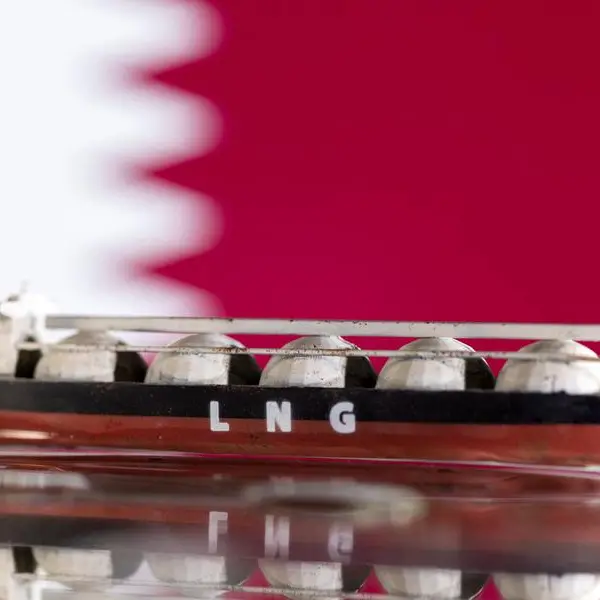
Morocco's finance ministry vetoed an energy ministry tender for a public‑private natural gas pipeline linking a planned Nador West Med terminal to an existing LNG import pipeline, citing procedural breaches, fiscal sustainability concerns, unclear project oversight and an unbalanced risk allocation; the tender, with bids due Feb. 3, has been put on hold. The suspension comes amid Morocco's push to cut coal reliance while expanding gas and renewables — the government targets 52% installed renewable capacity by 2030 (up from 45%), coal supplied ~60% of power in 2024 and gas ~10%, and gas demand is projected to rise to 8 bcm by 2027 from ~1 bcm now. The finance ministry said it remains supportive and will resume evaluation once conditions and approvals for PPP status and legal clarity are resolved.
Market structure: The finance ministry veto delays a likely near-term shift toward imported gas capacity and keeps coal at ~60% of Morocco's power mix, benefitting Spanish regas operators (higher throughput/fees) and LNG shipping while penalising EPC contractors and PPP financiers that expected pipeline cashflows. Morocco's forecast jump to ~8 bcm by 2027 is now a conditional demand story; if the project stalls >6–12 months, incremental LNG will route via Spain, raising regional regas utilisations by an estimated +5–15% near term.
Risk assessment: Tail risks include a political reversal that fast-tracks the tender (forcing rushed, loss-making bids), a global LNG price collapse (>30%) that makes pipeline capex uneconomic, or a rapid renewables acceleration that strands gas assets. Timing matters: immediate (days) market reaction is modest, 1–3 months for legal/PPP clarity, and 1–3 years for realization of the 8 bcm demand — watch 30–90 day windows for gas-law progress and PPP commission opinions.
Trade implications: Concrete plays are long Spanish regas/utilities (ENG.MC, NTGY.MC) and LNG shipping names (GLNG) for 3–12 months; short select EPCs/exposed contractors (ACS.MC or VIN:FP) as a relative-value pair versus regas operators. Use 3–9 month option call spreads on renewables ETFs (TAN/ICLN) to express a pivot to domestic renewables if the pipeline remains blocked >6 months.
Contrarian angles: Consensus underprices the fiscal-positive signal of a cautious finance ministry — short-term sovereign risk improves, which should compress Moroccan CDS and support MAD. Conversely, if the gas law is passed within 60 days, the market will sharply re-rate pipeline bidders; mispricings exist in contractors already priced for guaranteed PPP wins, and historical MENA pipeline delays show regas beneficiaries can enjoy 6–18 month windfalls.
AI-powered research, real-time alerts, and portfolio analytics for institutional investors.
Request DemoOverall Sentiment
neutral
Sentiment Score
-0.15
