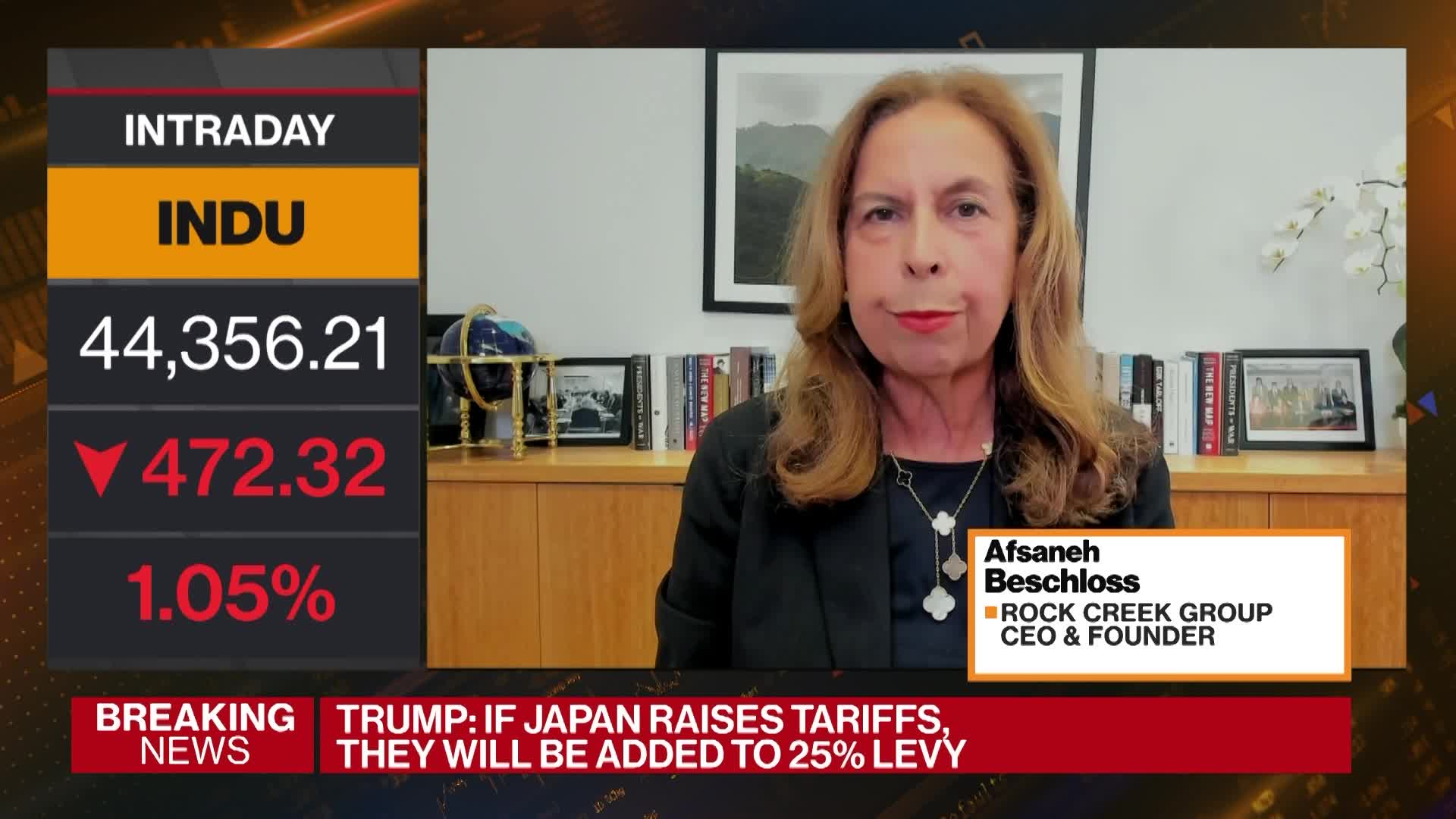
President Donald Trump announced a 25% tariff on goods from Japan and South Korea, effective August 1st, aiming to compel these nations to increase market access for U.S. products and boost domestic manufacturing to avoid the levies. This unilateral action provides a narrow three-week window for compliance, signaling a significant shift in trade policy with key Asian allies.
The U.S. administration's announcement of a potential 25% tariff on all goods from Japan and South Korea, effective August 1, introduces significant geopolitical and economic uncertainty. This unilateral action, characterized by a hawkish tone and perceived as strongly negative by market signals, targets two of Asia's largest export-driven economies and key U.S. allies. The exceptionally short three-week window for compliance dramatically increases the probability of the tariffs being implemented, creating immediate pressure on these nations to alter their trade and manufacturing policies. The high market impact score of 0.65 underscores the perceived risk to global supply chains, particularly in the automotive and technology sectors, which are heavily reliant on components and finished goods from both Japan and South Korea. The move signals an escalation in U.S. trade policy, shifting from targeted disputes to broader, more disruptive protectionist measures.
AI-powered research, real-time alerts, and portfolio analytics for institutional investors.
Request DemoOverall Sentiment
strongly negative
Sentiment Score
-0.60
