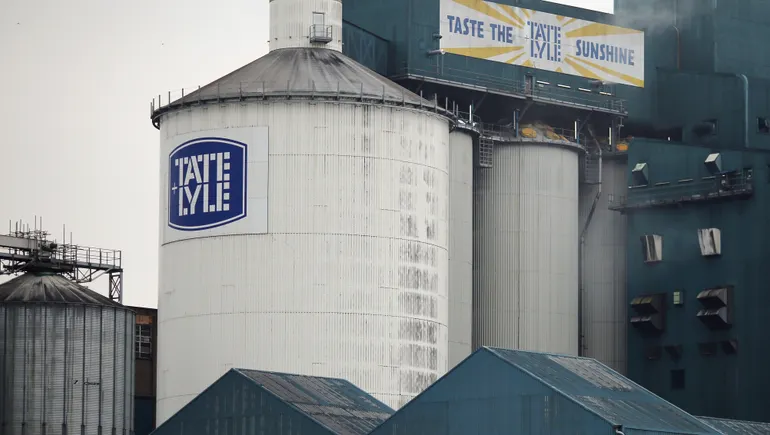
Ingredion is considering a takeover of Tate & Lyle for up to 615 pence per share, valuing the company at about £2.7 billion ($3.7 billion) and implying a 64% premium to Wednesday’s close. The proposal follows earlier approaches, and Ingredion must decide by June 11 under U.K. takeover rules. The deal would strengthen Ingredion’s position in clean-label ingredients, texture, and sweeteners, though Tate & Lyle also flagged slower demand and a $200 million U.S. savings program.
INGR is the cleanest relative-value beneficiary because this is less about owning a single asset and more about controlling scarce formulation capabilities across texture, sweeteners, and clean-label inputs. If the process advances, the market will likely start capitalizing the synergies and cross-sell optionality before regulatory certainty, which can keep the stock bid even if completion risk remains non-trivial. The more interesting second-order effect is on smaller ingredient peers: a larger combined platform would raise the bar for scale in application support and procurement, pressuring mid-cap competitors with narrower portfolios. The deal also highlights a strategic trap for food manufacturers: as pricing power fades, innovation in taste-masking and mouthfeel becomes the real margin lever. That suggests Ingredion’s push into texture is not just defensive M&A logic but a way to own the “healthier but still indulgent” middle ground, which should support higher mix over 12-24 months. On the flip side, if the premium is ultimately rebuffed or financed aggressively, the market may punish INGR for overpaying into a slower-demand backdrop and force a de-rating of the category. For Tate & Lyle, the strategic setup is more interesting than the headline premium: if a bid fails, the standalone asset becomes a value-and-growth story with credible cost takeout, which can attract a different buyer later or support a rerate if savings translate into volume stabilization. The key catalyst window is the next few weeks; the probability-weighted outcome is still skewed toward headlines and volatility rather than a clean close. The contrarian angle is that a failed bid may be more bullish for the sector than a deal, because it would validate scarcity value for specialized formulation assets without forcing integration risk onto the buyer.
AI-powered research, real-time alerts, and portfolio analytics for institutional investors.
Overall Sentiment
mildly positive
Sentiment Score
0.25
Ticker Sentiment
