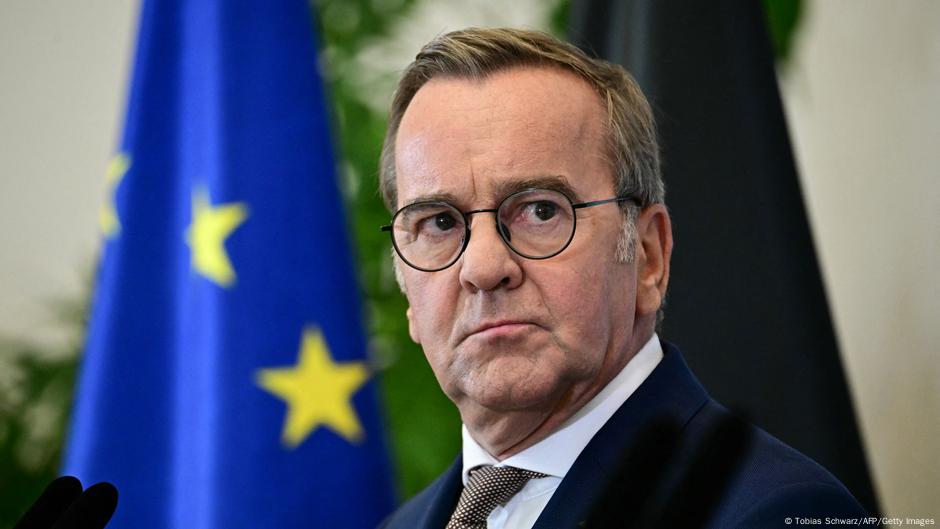
European Commission President Ursula von der Leyen's announcement of "precise plans" for multinational troop deployment to Ukraine as post-conflict security guarantees, reportedly with US backing, has drawn sharp criticism from German Defense Minister Boris Pistorius, who questioned the EU's competence and timing. This internal European friction occurs as top German lawmakers affirm continued support for Kyiv, while broader diplomatic efforts, including a UK/France-led security guarantees summit, proceed amidst a realistic outlook from German Chancellor Merz on the war's prolonged duration. The complex geopolitical landscape is further highlighted by the China-hosted SCO summit's omission of the Ukraine war from its declaration, even as India's Prime Minister Modi called for peace while maintaining significant trade with Russia.
Significant fissures are emerging within the European Union's strategy for Ukraine, highlighted by German Defense Minister Boris Pistorius's sharp criticism of EU Chief Ursula von der Leyen's announcement of 'precise plans' for a post-conflict multinational troop deployment. Pistorius questioned both the timing and the EU's jurisdiction, signaling a potential divergence between Germany and the European Commission that complicates the narrative of a united Western front. This internal friction contrasts with continued shows of support, such as a high-level German parliamentary visit to Kyiv and an upcoming UK/France co-chaired summit to define security guarantees. The broader geopolitical landscape remains complex, as evidenced by the Shanghai Cooperation Organization (SCO) summit, where the China-hosted meeting's final declaration omitted any mention of the Ukraine war. Concurrently, India's Prime Minister Modi publicly called for peace while deepening trade with Russia, becoming the second-largest buyer of its crude. These developments, alongside direct escalations like the suspected Russian GPS jamming of an EU official's plane, underscore a prolonged and uncertain conflict, a view reinforced by German Chancellor Merz who stated he 'harbors no illusions' about a near-term ceasefire.
AI-powered research, real-time alerts, and portfolio analytics for institutional investors.
Overall Sentiment
moderately negative
Sentiment Score
-0.35
Ticker Sentiment
