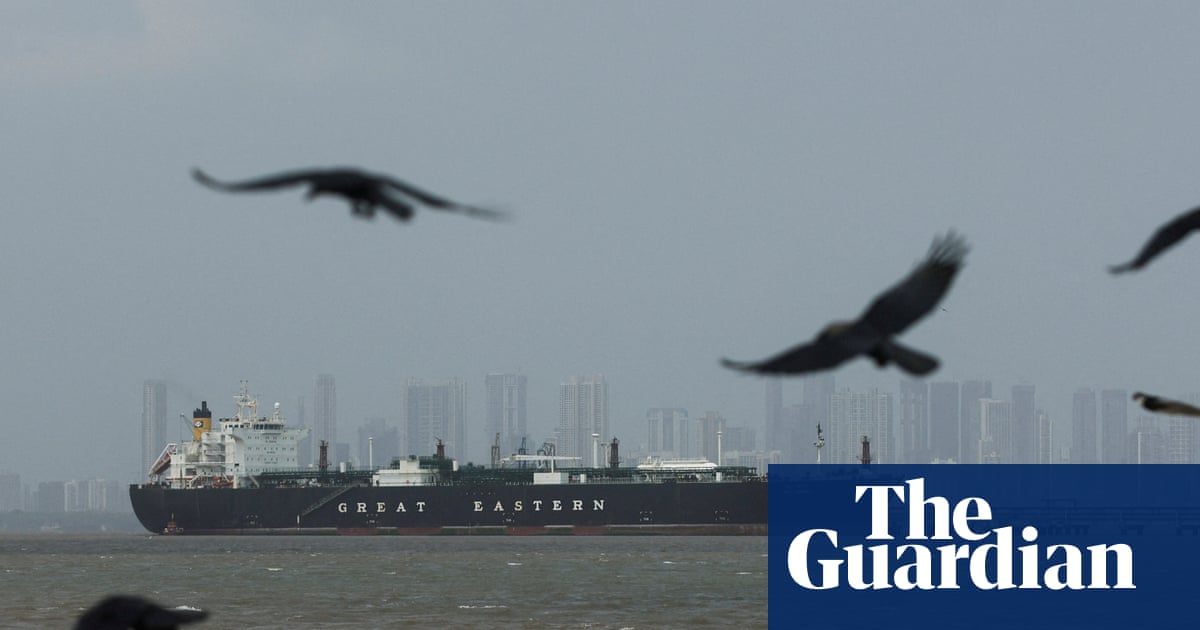
US-Iran ceasefire talks remain unresolved, with Pakistan mediating a possible extension beyond the 22 April expiry while both sides exchange messages and prepare for another round of negotiations. The US has imposed a naval blockade on Iranian ports and warned of secondary sanctions, while Iran says it could halt Gulf trade if the blockade continues. Oil was trading around $95 as traders priced in elevated geopolitical and energy-supply risk.
The market is underpricing how quickly a diplomatic rollback can rewire regional risk premia. A truce extension would not just soften headline oil volatility; it would likely unwind the premium embedded in Gulf shipping, defense procurement urgency, and sanctions-enforcement intensity, which matters more for cross-asset positioning than the direct military outcome. The bigger second-order effect is that Pakistan’s mediation creates a face-saving off-ramp for both sides, increasing the odds of a short, sharp de-escalation window rather than a clean peace settlement.
That said, the asymmetry is still skewed toward tail risk because the current equilibrium is fragile: if talks slip by even a few days, the blockade logic becomes self-reinforcing. Any sustained disruption through Hormuz or adjacent Gulf routes would hit not only crude but refined-product flows, LNG, and regional freight rates simultaneously, creating a broader inflation impulse than the market typically models from “oil up” alone. The financial-sanctions threat is a slower-burn weapon, but it is potentially more durable than kinetic escalation because it can be ratcheted without needing new battlefield developments.
The contrarian read is that the market may be too focused on the likelihood of a deal and not enough on implementation risk. Even if the diplomacy succeeds, enforcement of a maritime blockade and secondary sanctions can persist mechanically for weeks, meaning risk assets may not reprice back to normal as fast as the headline suggests. Conversely, if the standoff breaks, the initial move in energy and defense may overshoot, but the cleaner trade is in logistics and EM credit, where funding stress and route disruption compound quickly.
AI-powered research, real-time alerts, and portfolio analytics for institutional investors.
Request TrialOverall Sentiment
strongly negative
Sentiment Score
-0.55
