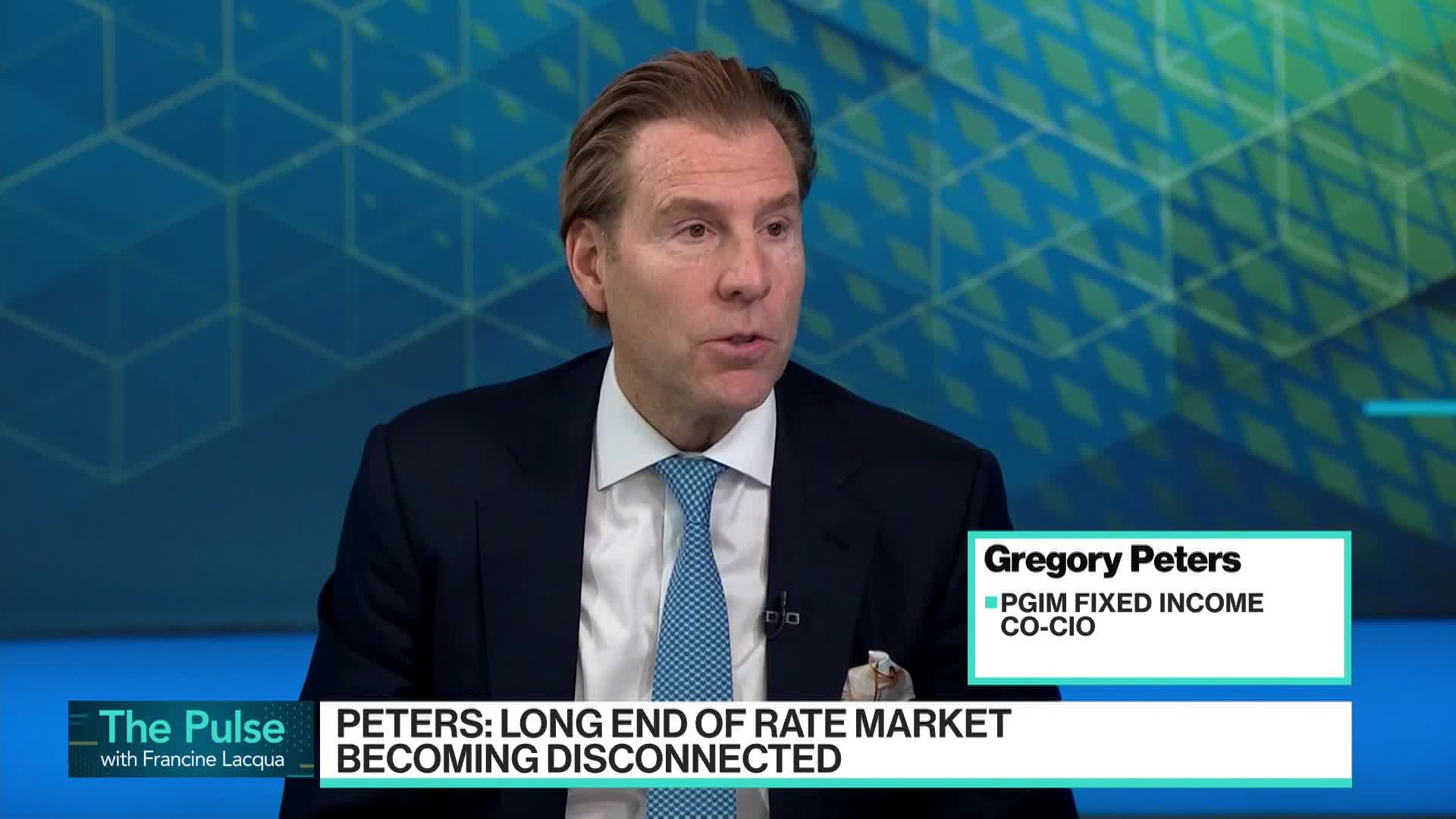
Bond traders are closely monitoring the upcoming US jobs report for signals about the Federal Reserve's future interest rate decisions. Strong employment data could reinforce the case for continued rate hikes or a delayed pivot, while weaker-than-expected figures might prompt the Fed to consider pausing or even cutting rates sooner than anticipated, influencing bond yields and market sentiment.
The upcoming US jobs report is a critical focal point for bond market participants, as its contents are widely expected to provide significant signals regarding the Federal Reserve's future interest rate decisions. A strong employment print would likely reinforce arguments for continued monetary tightening or a postponement of any policy easing, potentially exerting upward pressure on bond yields. Conversely, weaker-than-anticipated labor market data could lead the Federal Reserve to contemplate a pause in rate hikes or even consider rate reductions sooner than currently priced in, which would typically be supportive for bond prices. The high market impact score of 0.75, coupled with a neutral sentiment and uncertain tone, underscores the pivotal nature of this economic release and the heightened anticipation surrounding its implications for monetary policy and fixed income valuations.
AI-powered research, real-time alerts, and portfolio analytics for institutional investors.
Request DemoOverall Sentiment
neutral
Sentiment Score
0.00
