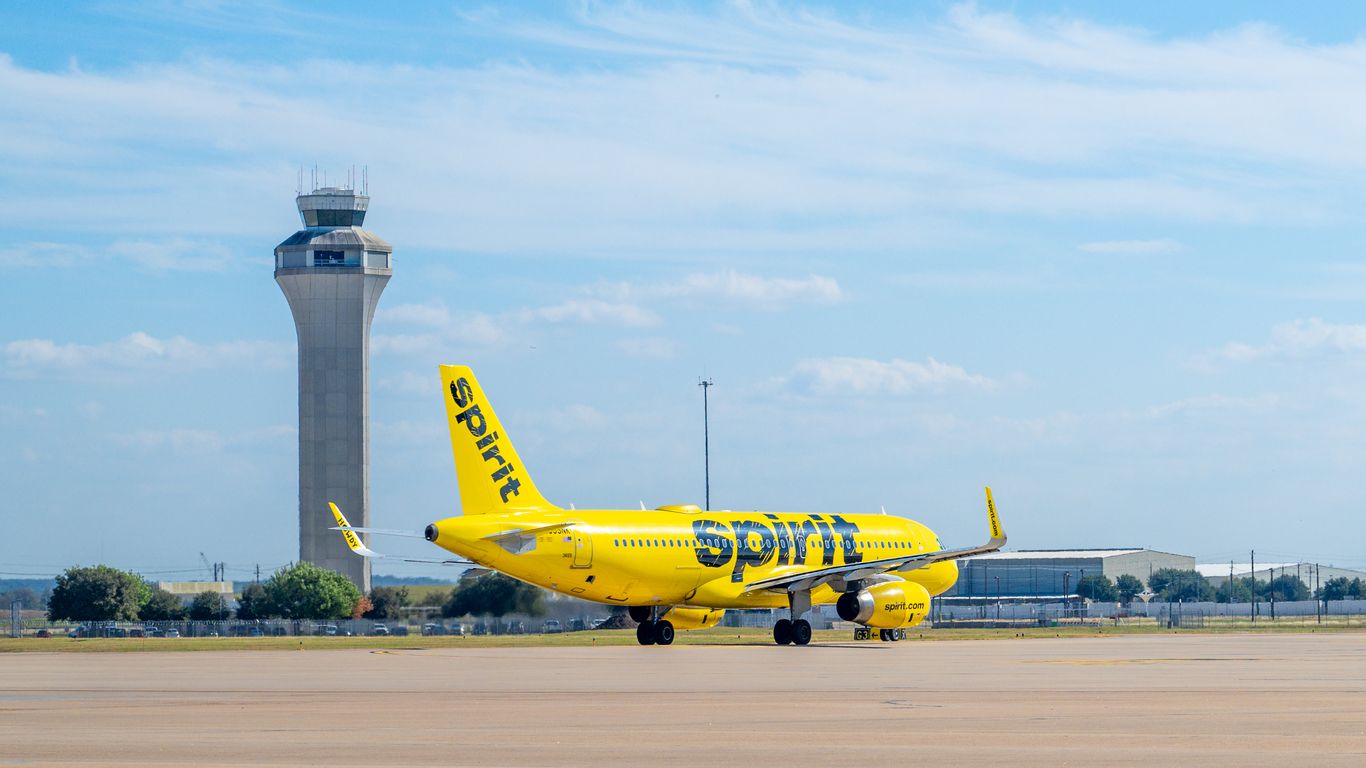
Spirit Airlines' demise, attributed to higher jet fuel costs, is expected to reduce low-fare flight availability and likely raise ticket prices out of Austin. The author describes having to replace a Spirit booking with a more expensive alternative and notes Spirit had been a cheap, reliable option for frequent travel. The article is personal and anecdotal, but it signals a mild negative for budget travel consumers and a modestly positive implication for competing airlines' pricing power.
The immediate beneficiaries are not the obvious network carriers so much as the airport ecosystem and incumbents with the strongest domestic leisure exposure. When a ULCC exits, capacity does not disappear evenly: the highest-elasticity routes tend to reprice first, and the surviving airlines can harvest fare lift without needing proportionate cost inflation. The second-order effect is that airports and local travel markets with meaningful Spirit penetration should see a slower, stickier reset higher in baseline airfares, which matters most for discretionary-origin cities like Austin where consumers have shown willingness to trade down.
The deeper issue is that this is not just an airline story; it is a consumer demand microstructure story. Ultra-low fares act like a call option on travel for price-sensitive households, so removing them disproportionately suppresses marginal trips rather than merely shifting share. That means the biggest loser is likely the next layer of low-cost competition, which may be forced to choose between discipline and volume, while the largest network airlines get a cleaner pricing backdrop but also face a slower-recovering leisure demand pool if higher fares reduce trip frequency.
From a timing standpoint, the earnings impact should show up over months, not days: first in booking curves and then in yield management as legacy carriers test how much of the gap they can capture before demand destruction appears. The tail risk is that higher fares coincide with softer consumer spending, creating a double hit to leisure travel just as the industry tries to normalize margins. The contrarian angle is that the market may overestimate the durability of the fare reset; airlines have a long history of quickly re-adding capacity if route-level margins widen, which can cap the upside in surviving carriers.
The real medium-term winner could be the diversified consumer that spends less on travel and more on substitute services, but for public markets the cleaner expression is in airline pricing power rather than demand growth. If fuel prices ease while capacity stays constrained, surviving carriers get a rare window of margin expansion; if fuel stays elevated, the route network is likely to rationalize further, amplifying consolidation pressure and keeping a floor under fares.
AI-powered research, real-time alerts, and portfolio analytics for institutional investors.
Request DemoOverall Sentiment
mildly negative
Sentiment Score
-0.25
