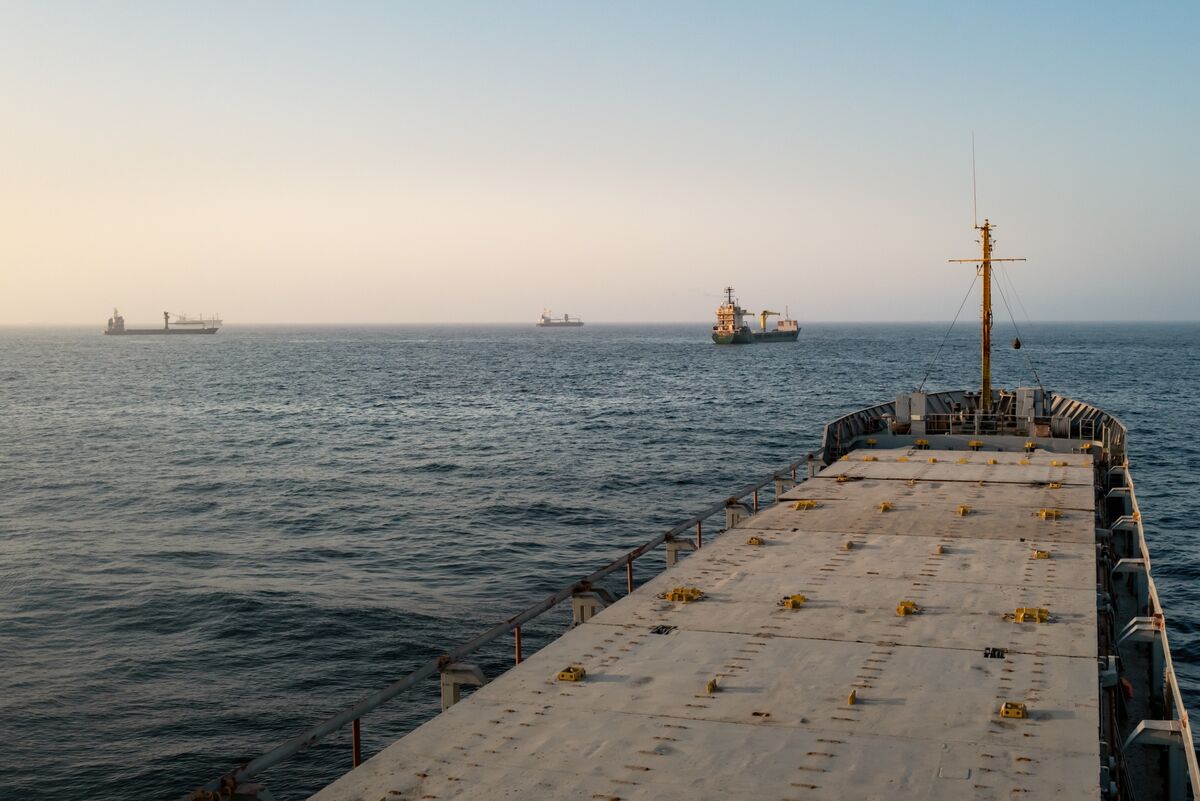
At least three vessels, including two oil supertankers, reportedly turned around while attempting to exit the Strait of Hormuz via the Oman coastal route, after broadcasts allegedly from the Iranian navy warned ships not to cross. Some ships continued along the route, but the incident highlights elevated disruption risk in a critical energy chokepoint. The headline is negative for shipping and oil market sentiment and could pressure freight and crude risk premia.
This is less an oil-demand story than a logistics-friction story: the first-order impact is optionality premium across the entire Gulf export corridor. Even if physical barrels are not immediately interrupted, the market should reprice a higher probability of delay, routing inefficiency, and insurance escalation, which tends to show up first in prompt Brent, Dubai spreads, tanker day rates, and refined product cracks before it fully reaches outright supply losses. The second-order winners are the operators that can source, store, or transport outside the chokepoint: non-Gulf crude shippers, floating storage, and refiners with flexible crude slates. Losers are the opposite set — high-beta tanker exposure tied to the Gulf route can benefit from day-rate spikes, but cargo owners, commodity merchants, and downstream refiners face higher working-capital drag and schedule risk. If the disruption persists for days rather than hours, expect spot freight and marine insurance to move more than headline crude prices; if it persists for weeks, the bottleneck migrates into refined products and petrochemicals, which are more vulnerable to inventory depletion. The contrarian miss is that this may be a tactical intimidation event rather than a durable blockade, so the initial price reaction can fade if traffic normalizes. That creates a classic volatility trade: the market often overprices a sustained supply shock in the first 24-72 hours, but underprices the asymmetry of a true escalation because the tail is binary and hard to hedge with physical barrels. The key catalyst to watch is not just whether ships turn around again, but whether insurers, charterers, and terminals begin imposing self-policing restrictions, which would amplify disruption without any formal closure.
AI-powered research, real-time alerts, and portfolio analytics for institutional investors.
Request DemoOverall Sentiment
mildly negative
Sentiment Score
-0.35
