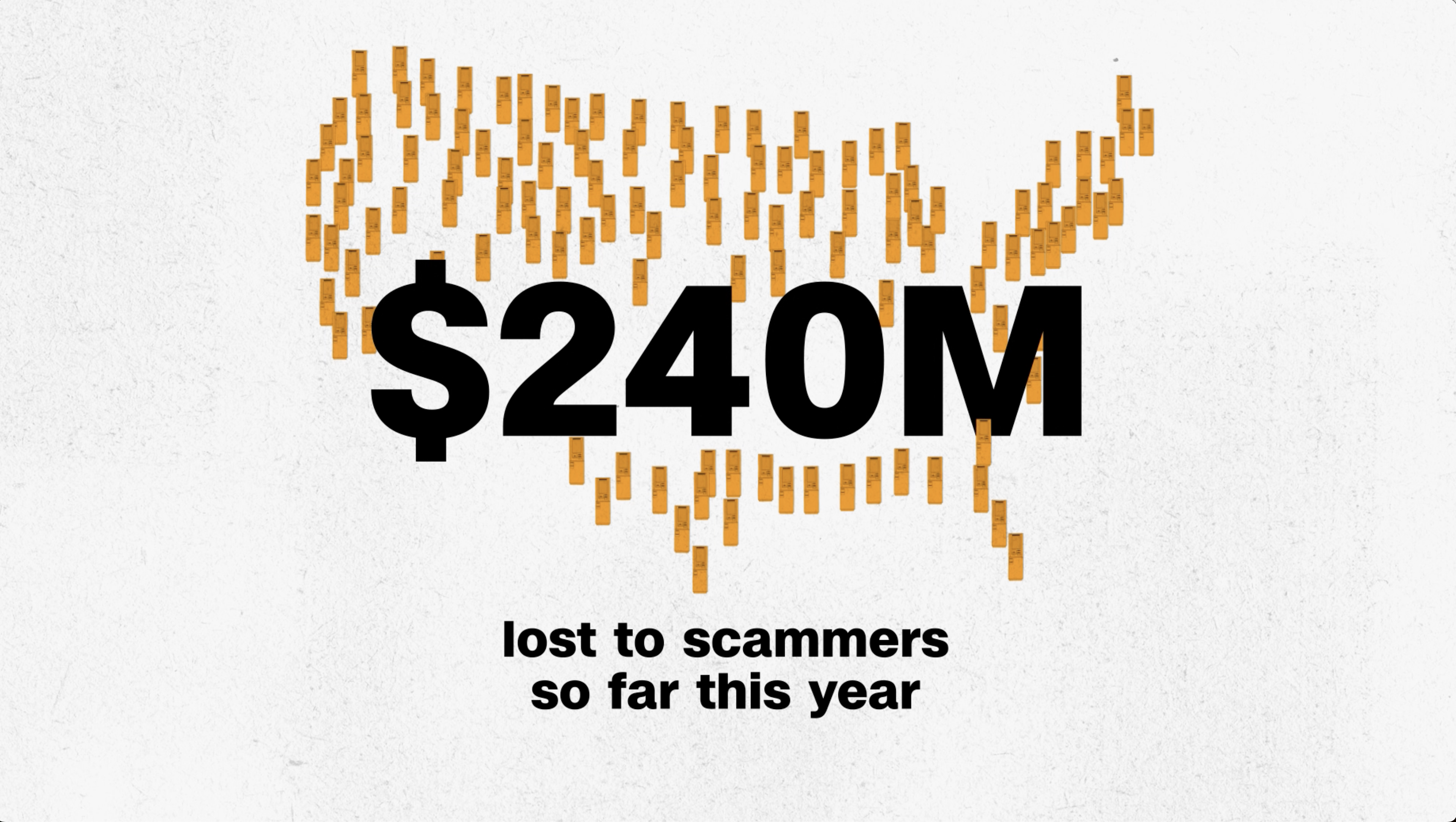
Major crypto ATM operators, including Bitcoin Depot and CoinFlip, are under increasing regulatory and legal pressure, accused by law enforcement and state attorneys general of facilitating widespread fraud, profiting from high transaction fees (20-30%+ markups) on illicit deposits, and actively lobbying to dilute consumer protection legislation. Americans lost approximately $240 million to crypto ATM scams in the first half of this year, doubling last year's pace, with investigations showing a high percentage of deposits are fraudulent and funds frequently routed to offshore exchanges in jurisdictions with weak AML. This escalating issue underscores significant regulatory and reputational risks for the crypto ATM industry, alongside broader concerns about financial integrity and consumer protection.
The crypto ATM industry, primarily represented by operators like Bitcoin Depot and CoinFlip, faces escalating regulatory and legal challenges due to its alleged role in facilitating widespread financial fraud. Americans lost approximately $240 million to crypto ATM scams in the first half of this year, doubling the previous year's pace, with companies reportedly profiting from 20-30% or higher markups on these illicit transactions. Investigations by CNN, the FBI, and state attorneys general indicate a significant portion of deposits are fraudulent, often targeting vulnerable populations.
Regulatory scrutiny is intensifying, with state attorneys general in Iowa and DC suing operators like Bitcoin Depot and Athena Bitcoin over high percentages of fraudulent transactions. Maine regulators denied Bitcoin Depot a license, citing inadequate controls and significant consumer losses. Despite public claims of safeguards, former employees and law enforcement suggest companies prioritize profit over fraud prevention, actively lobbying to weaken consumer protection legislation in multiple states.
The business model's reliance on high transaction fees, coupled with the routing of scam funds to offshore exchanges in jurisdictions with weak anti-money laundering (AML) laws, presents substantial reputational, operational, and legal risks. Companies have also engaged in aggressive tactics against law enforcement attempting to recover scam funds, further exacerbating negative perceptions and increasing the likelihood of stricter federal and state-level interventions, including potential bans or stringent transaction limits.
AI-powered research, real-time alerts, and portfolio analytics for institutional investors.
Request DemoOverall Sentiment
strongly negative
Sentiment Score
-0.80
Ticker Sentiment
