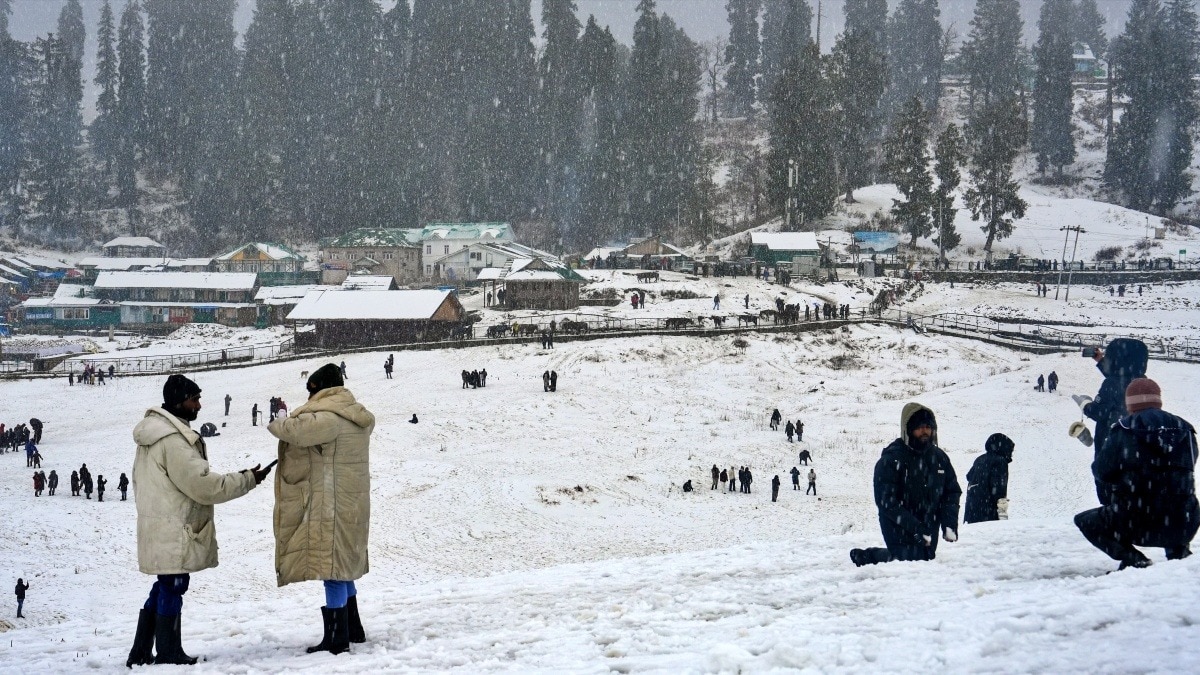
Kashmir has entered Chillai Kalan, a 40-day period from Dec 21–Jan 29 marked by heavy snowfall and snowstorms, with night temperatures commonly -8°C to -15°C and accumulations of 2–4 feet in lowlands and over 10 feet at resorts, according to the IMD. The event threatens regional infrastructure and economic activity — causing power blackouts, burst water pipes, stranded villages, and disrupting hydropower and irrigation (glacier recharge supports ~70% of summer water) — while erratic snow endangers apple orchards that produce roughly 80% of India’s apples. Short-term implications include supply risk for apple-related commodity flows, elevated operational risk for utilities and insurers, and a pivot in tourism toward heli-skiing that may partially offset local economic losses.
Market structure: Chillai Kalan structurally favours hydro-generation owners, cold-weather gear/genset suppliers, fuel refiners and niche winter tourism (heli-ski/ luxury stays) while pressuring insurers, small hospitality operators, apple producers and local distribution utilities. Expect short-term pricing power for genset rentals and diesel/LPG retail (+5-8% vol in regional spot demand over 2–6 weeks) and a re-pricing tailwind for hydro operators if reservoir recharge forecasts materialize for the melt season (6–18 months).
Risk assessment: Tail risks include prolonged grid outages or avalanche corridors shutting key transmission (weeks) and a severe crop-failure year hitting apple volumes (quarters) that could trigger state relief and fiscal transfers (up to 1–2% of Jammu & Kashmir FY budget). Immediate (days) impacts are operational disruptions; short-term (1–3 months) are insurance loss accruals and logistics; long-term (6–24 months) are altered investor perception of hydro reliability vs thermal and potential regulatory interventions (caps/subsidies) if energy shortfalls occur.
Trade implications: Volatility should rise in regional utility/insurance equities and related options — buy-dated volatility across 1–3 month tenors on insurers and short-term calls on genset/refiner stocks; consider relative-value between hydro and coal/thermal names over 6–12 months. FX and sovereign/state spreads could widen modestly (INR downside pressure ~1–2% if energy imports spike), tightening sovereign yield curves for states funding disaster relief.
Contrarian angle: The market may over-discount short-term damage and under-price multi-season upside to hydro-capacity from glacier recharge; conversely insurance headline fears may be overdone given low penetration and delayed claims recognition. Historical Chillai Kalan years show post-winter hydro generation lift and fast tourism rebounds, so medium-term buys in selected hydro and genset suppliers can outperform panic-led sell-offs in insurers and small-cap tourism names.
AI-powered research, real-time alerts, and portfolio analytics for institutional investors.
Request DemoOverall Sentiment
moderately negative
Sentiment Score
-0.35
