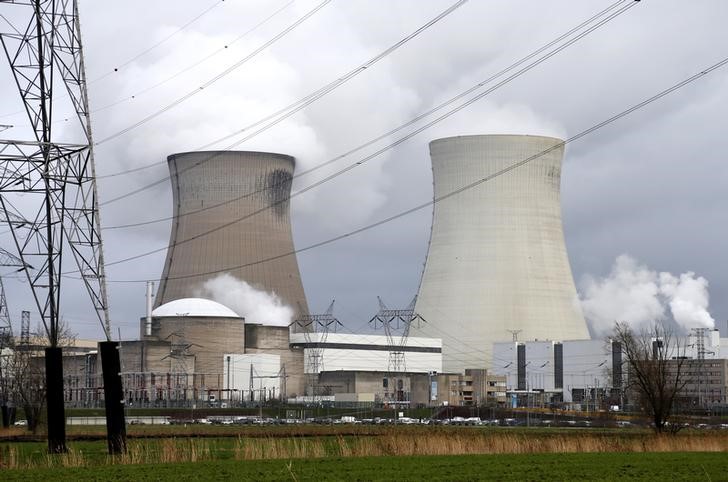
20% of global oil and LNG volumes are cited as 'exposed' to disruption at maritime chokepoints while global reactors consume roughly 0.6 million pounds of uranium per day — a compact volume that can be moved in a few train cars. Bernstein argues the Iran war is likely to accelerate capital reallocation toward nuclear infrastructure as governments seek energy independence and lower transport risk. The report frames uranium as a strategic, transport-light hedge versus transport-heavy hydrocarbons, implying sector-level upside for uranium producers and nuclear infrastructure investment.
The structural story here is not just higher nominal uranium demand but a reallocation of geopolitical premium from seaborne hydrocarbons into compact, politically fungible energy inputs and the industrial base that supports them. Expect spreads to open between asset classes: upstream miners, physical-uranium holders and enrichment/processing specialists should rerate versus LNG carriers, tanker insurers and short‑cycle hydrocarbon service providers because the former capture policy-driven, long-dated contracting while the latter trade on spot transit risk.
Timing and mechanics matter: policy announcements and multi-year reactor build decisions will drive equity re-rates over 12–36 months, whereas spot-market squeezes and inventory draws produce volatile, tradeable moves over days–months. A key choke-point for the bullish view is conversion/enrichment capacity reallocation — Western capacity and contracting discipline will determine who actually books the upside, not just headline demand for “more nuclear.”
The consensus underestimates two second-order effects. First, term contracting (utilities locking multi-year offtakes) amplifies price stickiness and favors producers with secured offtake or physical inventory; explorers without secured sales will lag. Second, permitting and mine lead times (typically 3–7 years) create a structural under-supply profile that makes physical trusts and near-production ISR projects asymmetric upside in the medium term, even if short‑term political de‑escalation temporarily cools spot prices.
AI-powered research, real-time alerts, and portfolio analytics for institutional investors.
Overall Sentiment
mildly positive
Sentiment Score
0.40
