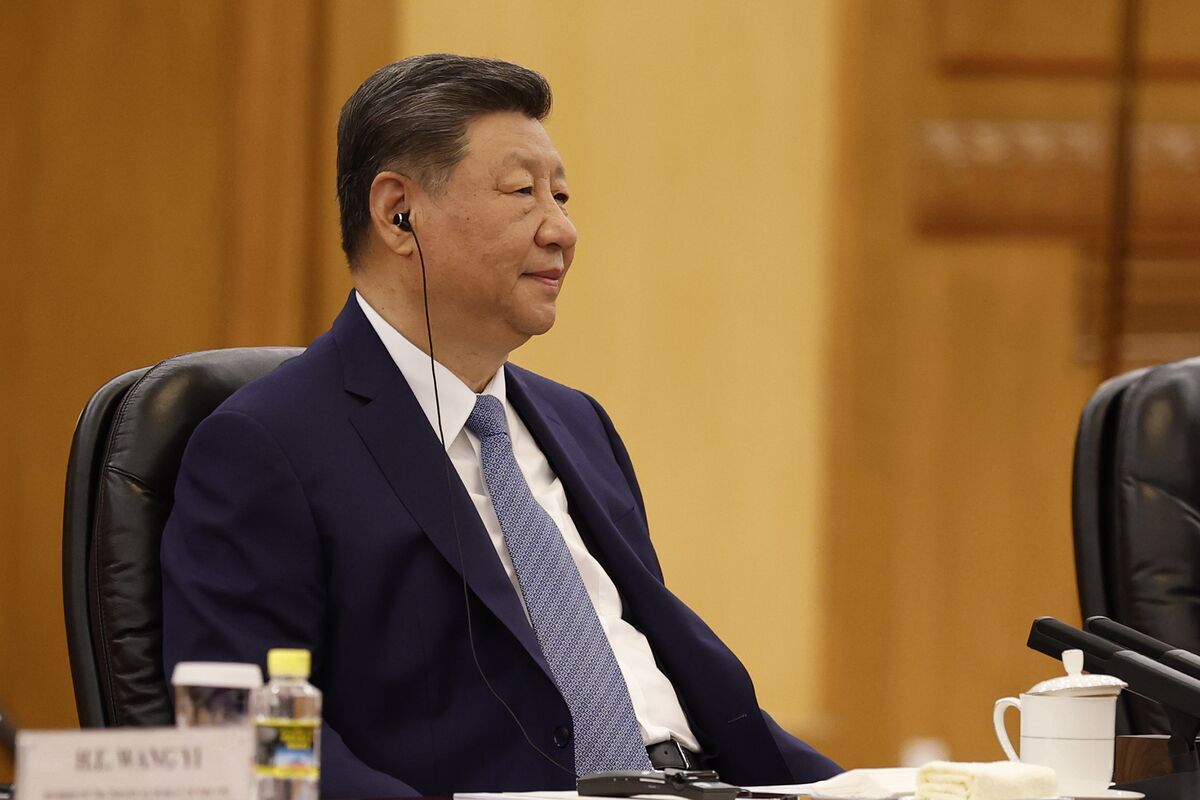
Xi called for an immediate ceasefire and the restoration of normal transit through the Strait of Hormuz, underscoring heightened geopolitical risk after a turbulent weekend in the Middle East. The reference to open Hormuz transit is significant because any disruption could affect a major global energy shipping chokepoint and broader supply routes. The message is supportive of de-escalation, but the underlying backdrop remains risk-off for oil, shipping, and regional assets.
The market is underpricing how quickly a Hormuz scare transmits from geopolitics into global input costs. Even without a physical closure, the marginal effect is a higher risk premium on crude, LNG, tanker rates, and marine insurance; that hits energy-importing Asian industrials first, then flows into European chemicals, airlines, and freight-dependent exporters within days. The immediate winners are upstream energy, tanker owners, and defense/logistics names with pricing power, while the biggest losers are refiners, airlines, and EM current-account-sensitive currencies. The second-order effect is that China’s public emphasis on keeping transit open is also an economic signal: Beijing cannot afford a sustained oil shock because it would tighten domestic inflation and pressure industrial activity. That means China has incentive to lean diplomatically on Gulf producers to avoid escalation, but it also raises the odds of more covert stockpiling and opportunistic crude buying on dips. If markets see only rhetoric and no actual disruption, the risk premium can unwind fast; if there is even a temporary incident, the reaction in front-month energy and tanker rates can be violent over 1-3 sessions. The contrarian angle is that the broader market may already be treating this as a classic headline risk when the more durable consequence is volatility in shipping and insurance rather than a permanent oil supply loss. That favors relative-value trades over outright directionals: the asymmetric setup is in names exposed to freight and energy input costs, not necessarily in broad equities. The key catalyst window is the next 1-4 weeks, when diplomatic signaling either de-escalates the premium or confirms that Gulf risk is becoming a recurring feature of the tape.
AI-powered research, real-time alerts, and portfolio analytics for institutional investors.
Request DemoOverall Sentiment
moderately negative
Sentiment Score
-0.35
