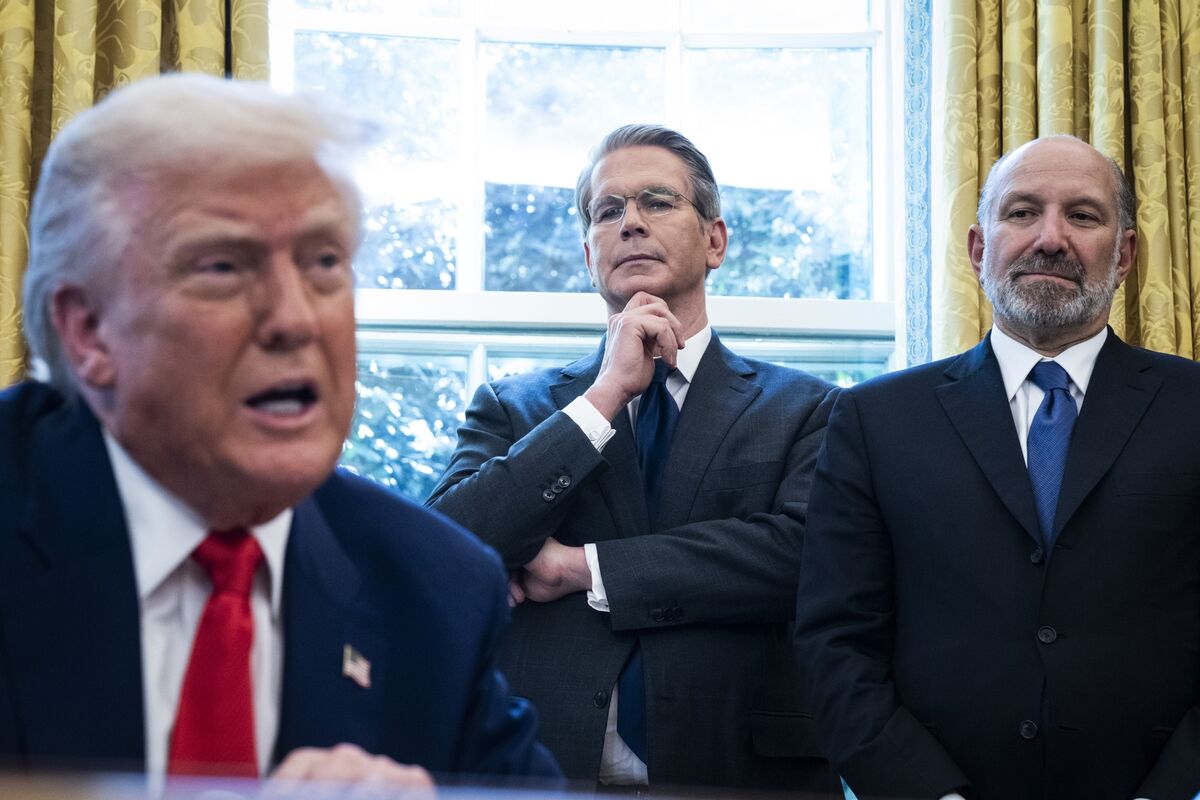
The dollar has depreciated significantly since President Trump took office, losing over 10% of its value against major currencies like the euro, pound, and Swiss franc. This decline, reminiscent of the 2010 post-financial crisis period, is attributed to investor concerns regarding Trump's economic policies, including tariff hikes, tax cuts that increase deficits, pressure on the Federal Reserve to lower interest rates, and aggressive legal tactics against opponents. These factors are making it more challenging for the U.S. to finance its deficits and threatening the dollar's global standing.
The US dollar is undergoing a significant depreciation, having lost over 10% of its value against the euro, pound, and Swiss franc, and declining against every other major global currency since President Trump took office, a rapid fall reminiscent of the 2010 post-financial crisis era of aggressive Federal Reserve easing. This current downturn, however, is attributed to global investors' repudiation of key Trump administration policies, including across-the-board tariff hikes that have strained international trade relations; tax cuts expected to inflate fiscal deficits and national debt; persistent pressure on the Federal Reserve to lower interest rates; and aggressive legal tactics. These factors are reportedly undermining investor confidence, making it increasingly difficult for the US to finance its deficits and posing a threat to the dollar's status as the dominant global currency. The "strongly negative" sentiment (score -0.85) and "pessimistic" tone from market signals, combined with a high market impact score of 0.75, emphasize the serious concerns these policies have generated among investors.
AI-powered research, real-time alerts, and portfolio analytics for institutional investors.
Overall Sentiment
strongly negative
Sentiment Score
-0.85
