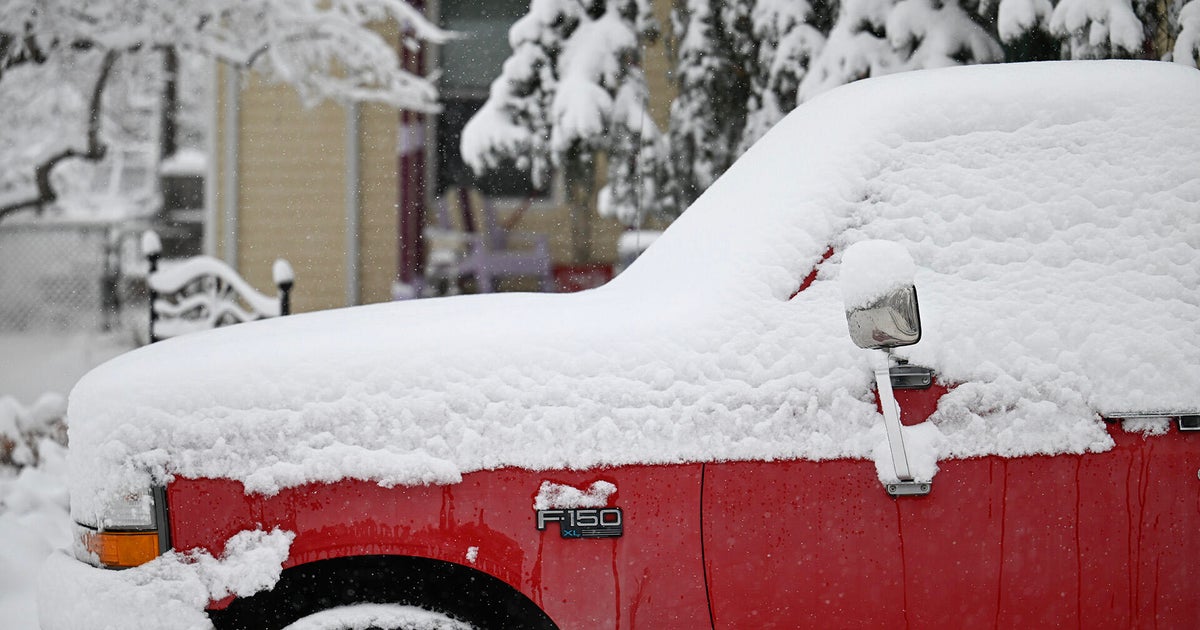
An atmospheric river impacting the West Coast is sending moisture into Colorado, producing accumulating mountain snow beginning early Saturday with high confidence in the high country: most areas 4–8 inches, 6–12 inches common at higher elevations, ~12 inches near Vail Pass and the Eisenhower Tunnel, and up to 18 inches in the far northern mountains by Sunday morning. Significant travel impacts are likely late Saturday into early Sunday with delays and potential overnight closures on I-70; the Front Range is less certain (trace–5 inches realistic, 1–3 inches along I-25, up to 5 in foothills). Warm daytime temperatures (highs near 59°F) preceding the snow will cause melting and slushy, rapidly improving conditions after snowfall tapers, implying localized short-duration disruptions to road and ski traffic but limited broader economic impact.
Market structure: Immediate winners are ski-resort operators (Vail Resorts, MTN) and road‑salt/municipal services (Compass Minerals, CMP) from 6–18" mountain snowfall; losers are short‑haul travel providers and weekend airline itineraries (UAL, DAL, AAL) and regionally exposed truckers (smaller cap carriers) due to I‑70 closure risk. Pricing power shifts modestly: resorts can push lodging/lift premiums if this storm materially increases early‑season powder (bookings +5–10% over 2–6 weeks), while spot trucking rates in CO/UT could spike +10–30% for 48–72 hours under closures.
Risk assessment: Tail risks include multi‑day I‑70 closures causing supply bottlenecks and elevated insurance claims (auto/property) leading to localized P&L hits for regional carriers and insurers; probability low (~5–10%) but impact high. Time horizons: immediate (0–3 days) travel disruption and options IV moves, short (2–8 weeks) seasonal booking momentum for resorts, long (quarters) marginally higher winter revenue if snow pattern persists. Hidden dependencies: temperature swings (melt) can erase road‑salt demand and depress near‑term retail foot traffic.
Trade implications: Tactical plays include 1–3 month directional and volatility trades: small long-equity stakes in MTN (2% portfolio) and CMP (1–2%) to capture bookings/supply demand, plus a short 1‑month put spread on UAL (0.5% risk) to hedge travel disruption exposure. Use call spreads on MTN (1–2 month 15–25% OTM) to limit capital and buy 0–30 day CMP calls ahead of municipal procurement cycles. Rotate modest weight from regional logistics (KNX, CHRW) into leisure/resort exposure.
Contrarian angles: Consensus underweights sustained revenue lift for resorts from early heavy snowfall — a persistent wet pattern could translate to a 1–3% EPS tailwind for MTN seasonally. Conversely, reaction may be overdone on short‑term airline weakness; if melt occurs (temps >50°F next 48h) salt demand and CMP upside will evaporate — use this 50°F threshold to trim positions. Historical parallels (early‑season dumps) show durable booking bumps but also weekend access losses; size positions conservatively (small, event‑linked).
AI-powered research, real-time alerts, and portfolio analytics for institutional investors.
Request DemoOverall Sentiment
neutral
Sentiment Score
-0.10
