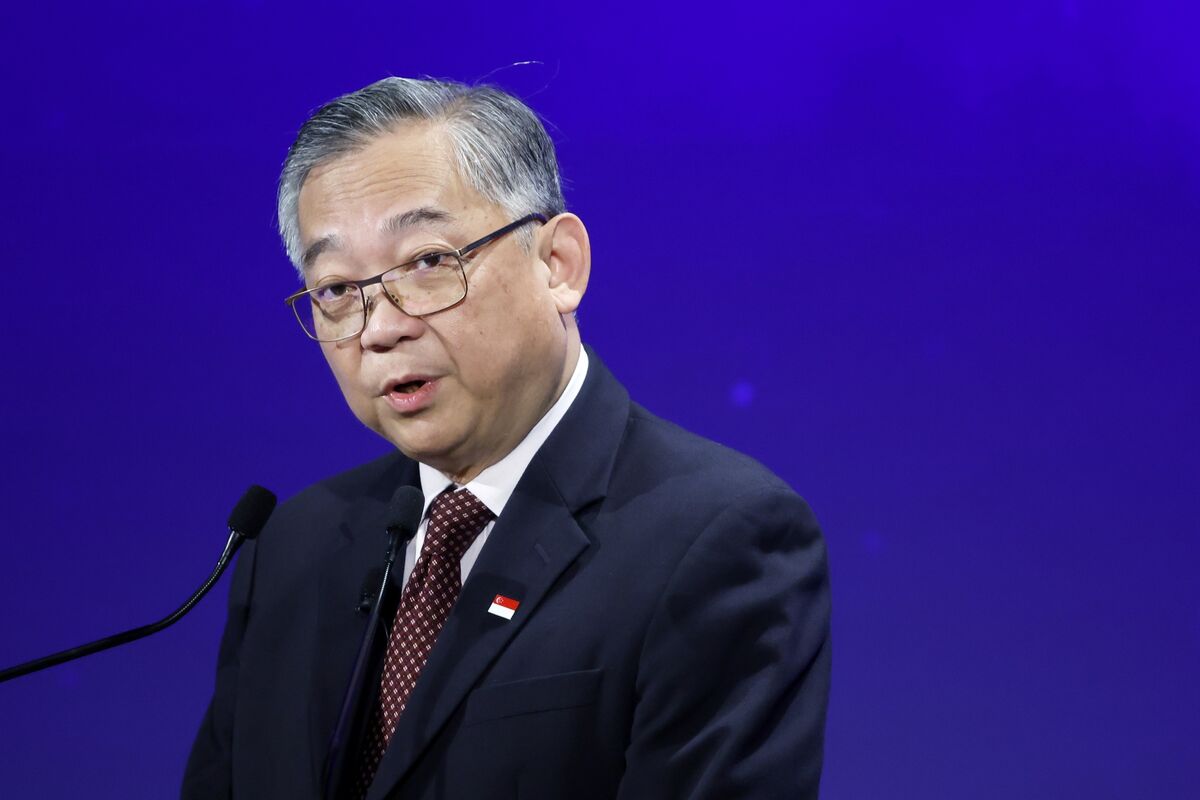
Singapore's Minister for Trade and Industry, Gan Kim Yong, cautioned businesses that US tariffs, including those implemented under the Trump administration, are likely to endure regardless of the upcoming election, citing broad bipartisan support in the US for using such trade tools. This indicates a fundamental and potentially lasting shift in US trade policy, requiring firms to factor sustained protectionist measures into their long-term strategic and supply chain planning.
A warning from Singapore's Minister for Trade and Industry, Gan Kim Yong, signals a crucial shift in the global trade outlook, suggesting that US tariffs are likely to become a permanent fixture of US policy rather than a transient measure tied to a single administration. The core insight is the existence of broad bipartisan support in the US for such protectionist tools, which implies that regardless of the upcoming election's outcome, businesses should anticipate a continuation of current trade friction. This transforms the nature of the risk from a short-term political event to a long-term structural reality, compelling firms to fundamentally rethink their global supply chain strategies and factor sustained trade barriers into their long-term capital allocation and operational planning.
AI-powered research, real-time alerts, and portfolio analytics for institutional investors.
Request DemoOverall Sentiment
moderately negative
Sentiment Score
-0.40
